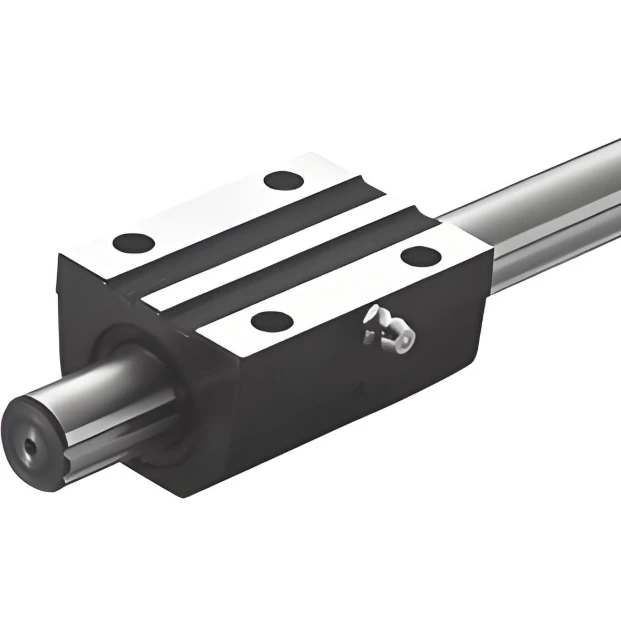
In South Sudan, the manufacturing and equipment sectors face extreme environmental stressors. High ambient temperatures and significant dust infiltration during the dry season place immense pressure on linear guides, often leading to premature wear and increased friction in precision machinery.
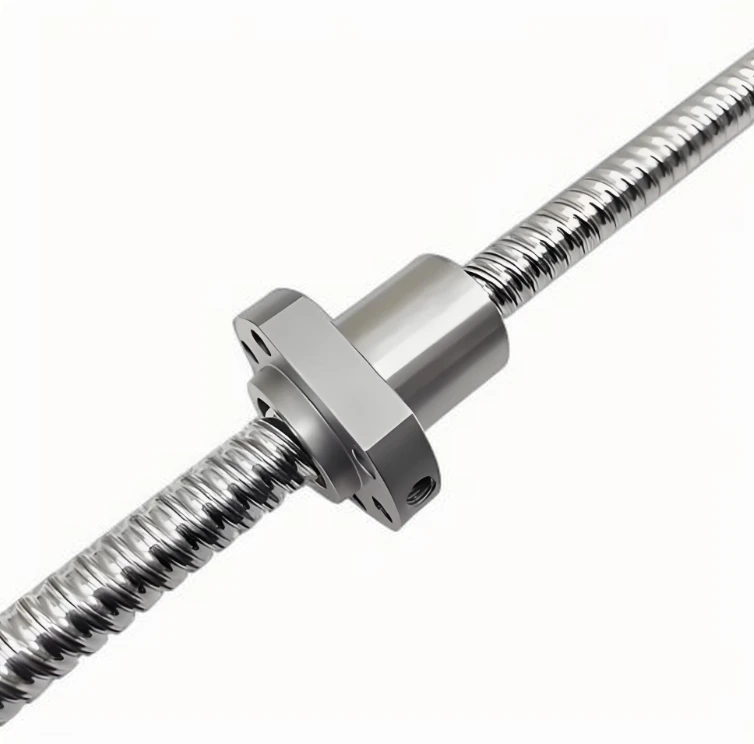
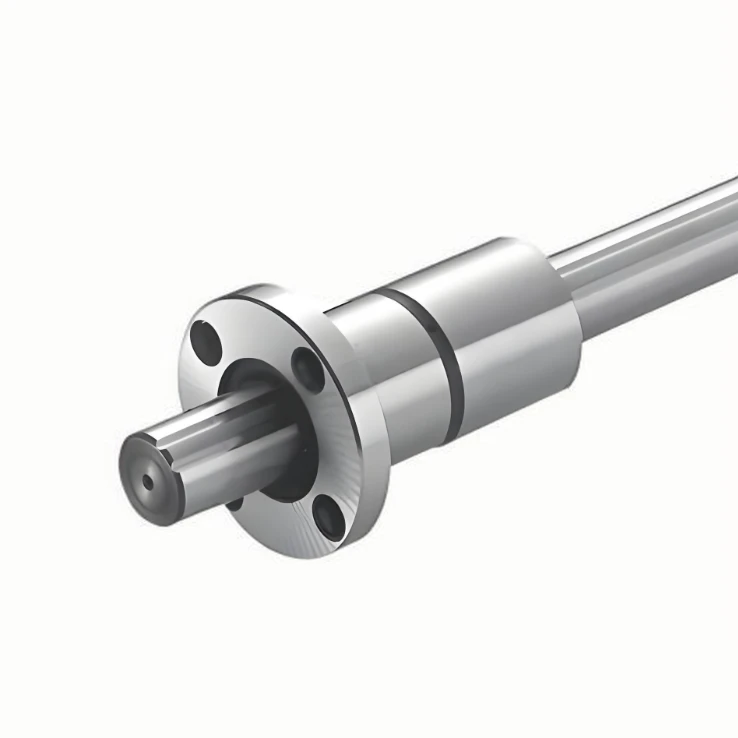
The regional economy, heavily reliant on agriculture and oil extraction, requires heavy-duty mechanical components. However, the lack of local precision manufacturing means that high-performance ball splines must be imported, necessitating a focus on long-service-life products that minimize downtime.
Furthermore, the volatility of the power grid in various industrial zones leads to abrupt machine stops, which can cause mechanical shocks. This creates a critical demand for shock-resistant motion components that can maintain alignment and precision under unstable operational conditions.