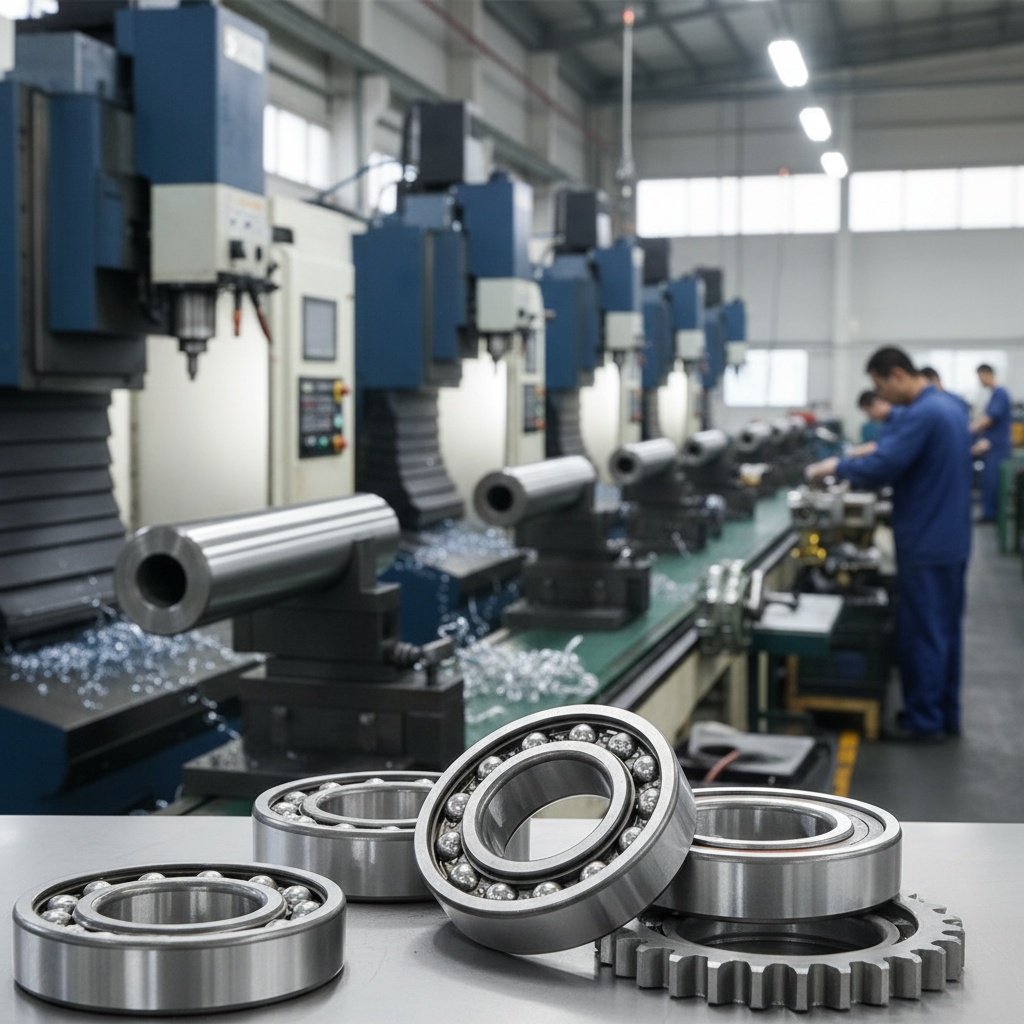
In the world of cycling, where every watt of power counts, the efficiency of movement is governed by the quality of the internal components. bicycle bearings serve as the silent heart of a bike's mechanical system, reducing friction and ensuring that the energy from the rider's legs is transferred seamlessly to the road or trail. Whether it is the smooth rotation of the bottom bracket or the precise steering of the headset, these components are critical for performance and safety.
Globally, the surge in urban mobility and the growth of professional competitive cycling have placed a premium on high-precision bearing technology. From the cobblestones of European spring classics to the rugged mountain trails of the Rockies, the demand for durability and low rolling resistance has led to significant innovations in material science. Understanding the nuances of these components allows cyclists and engineers to optimize ride quality and extend the lifespan of their equipment.
Ultimately, the choice of bearing determines not just how fast a bicycle goes, but how long it stays operational under harsh conditions. By exploring the engineering behind bicycle bearings, we can uncover how small adjustments in tolerances and sealing technologies can lead to massive gains in overall efficiency, making cycling a more sustainable and enjoyable experience for millions worldwide.
The Role of Precision Engineering in Bicycle Bearings
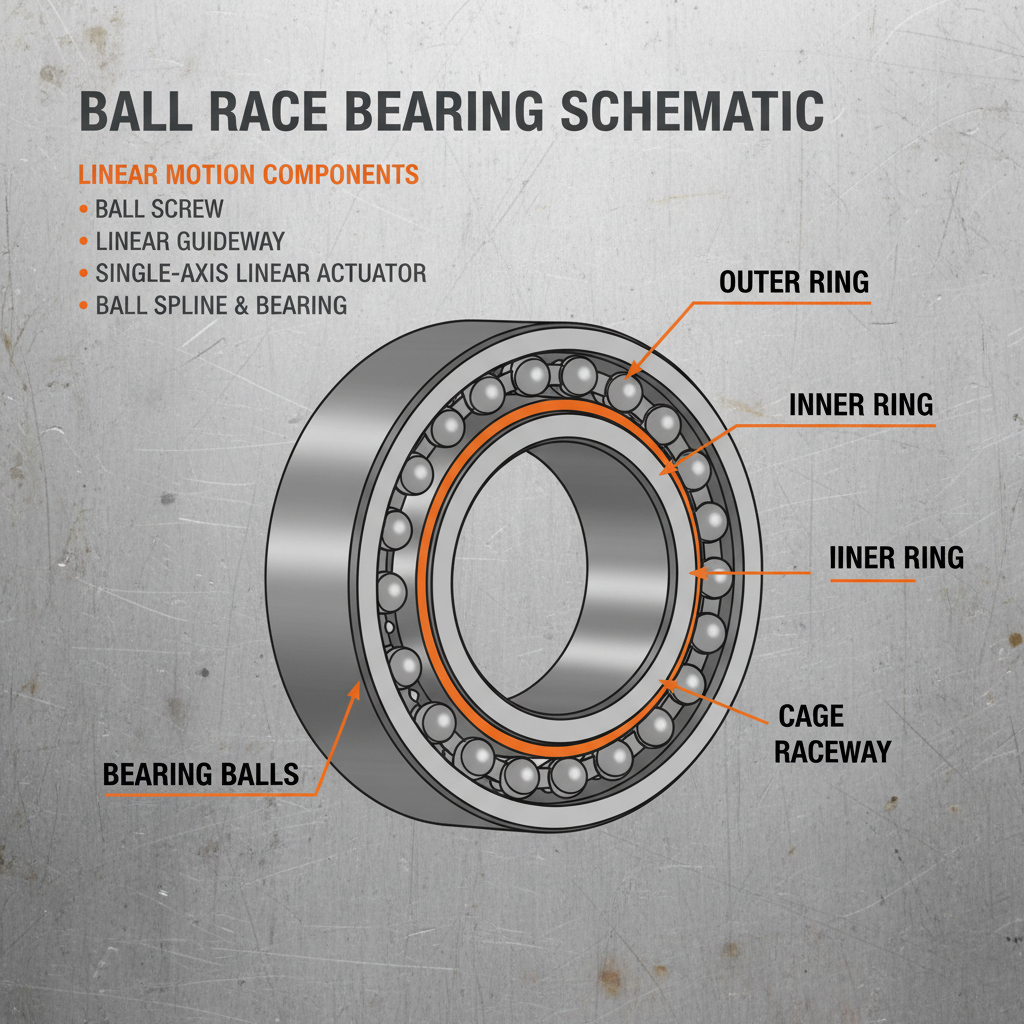
Precision engineering is the cornerstone of high-performance bicycle bearings. At its core, the goal is to minimize the coefficient of friction between the rotating inner ring and the stationary outer ring. By employing rigorous tolerances and high-grade chrome steel or ceramic materials, manufacturers can ensure that the rolling elements move with minimal resistance, which directly translates to higher speeds for the cyclist.
Beyond speed, precision also implies consistency. A bearing with uneven tolerances can lead to "notchy" rotation, which not only wastes energy but also increases wear on the surrounding frame components. When engineering meets the specific demands of cycling—such as the need for lightweight designs without sacrificing load capacity—the result is a component that enhances the overall ride feel and mechanical reliability.
Understanding Different Types of Cycling Bearings
The most common variety found in modern bikes is the sealed cartridge bearing. These units are pre-assembled and include integrated seals that prevent contaminants like dust and water from entering the race, while keeping the lubricant contained. This design has revolutionized the industry by making replacements a simple "plug-and-play" process, reducing the need for specialized tools and labor-intensive repacking.
In contrast, "cup and cone" bearings are the traditional standard, often seen in older hubs and headsets. These consist of loose balls held between a cone and a cup, allowing for manual adjustment of the preload. While they offer a potentially smoother roll when perfectly tuned, they require significantly more maintenance and are more susceptible to failure if the adjustment is too loose or too tight.
For those seeking the absolute peak of performance, ceramic hybrid bearings are the gold standard. By using silicon nitride balls paired with steel races, these bicycle bearings offer extreme hardness, lower thermal expansion, and reduced friction. They are particularly favored in time trials and triathlon events where every single second of efficiency is critical to victory.
Key Factors Influencing Bearing Durability
Material selection is the first line of defense in bearing longevity. While standard GCR15 steel is sufficient for casual commuting, high-carbon alloys are required for the heavy axial loads found in downhill mountain biking. The hardness of the material determines how well the bearing resists "brinelling"—the permanent indentation of the race caused by heavy impact.
The sealing mechanism is equally vital. Effective bicycle bearings utilize a combination of contact seals (which physically touch the race) for maximum protection and non-contact seals for minimum friction. Finding the balance between keeping grit out and allowing the bearing to spin freely is where the true art of bearing design lies.
Finally, lubrication quality dictates the service interval. Modern synthetic greases are engineered to resist "wash-out" during rainy rides and maintain their viscosity across a wide temperature range. Proper lubrication reduces heat buildup and prevents metal-on-metal contact, which is the primary cause of premature bearing failure.
Performance Benchmarks for Modern Bearings
Measuring the effectiveness of bicycle bearings involves analyzing rolling resistance, noise levels, and load capacity. Professional teams often use dynamometers to measure the wattage loss at the bottom bracket, aiming for a setup that minimizes parasitic drag. The goal is to ensure that the mechanical efficiency remains high even as the components age.
Furthermore, the "feel" of a bearing is a qualitative benchmark that riders value. A high-quality bearing should feel "glass-smooth" under load, without any perceptible grit or vibration. This is achieved through precise surface finishing (super-finishing) of the raceways, which reduces the microscopic peaks and valleys that can cause turbulence in the lubricant.
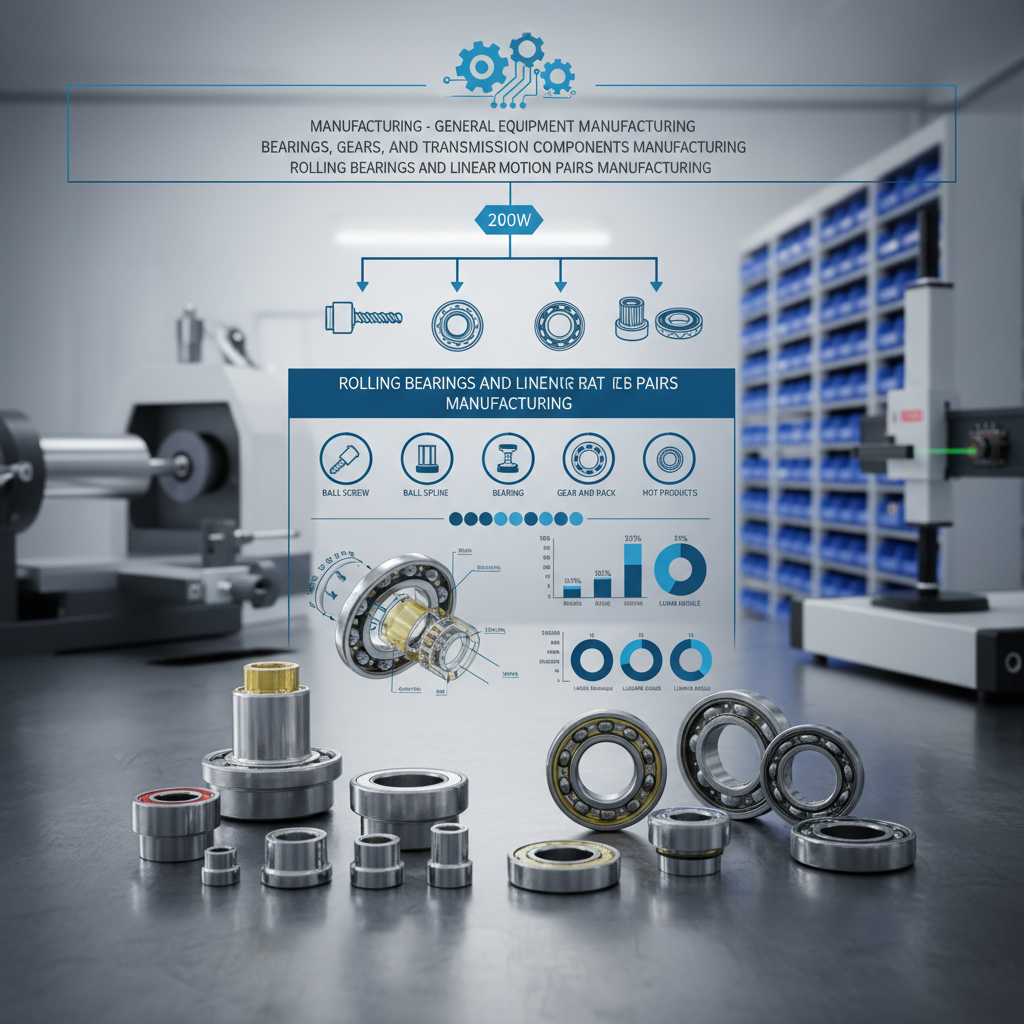
Performance Comparison of Bearing Material Types
Global Applications in Competitive and Urban Cycling
In the realm of professional road racing, bicycle bearings are pushed to their absolute limits. In events like the Tour de France, where riders cover thousands of kilometers, the reliability of the hub and bottom bracket bearings is paramount. A single failure in a bearing can result in a mechanical that costs a rider the race, making high-precision, low-friction components a non-negotiable requirement.
Conversely, in urban environments, the application shifts toward durability and low maintenance. E-bikes, which are heavier and operate at higher torques, require bearings with significantly higher load ratings. In cities like Amsterdam or Copenhagen, where bikes are exposed to salt, rain, and grime year-round, the emphasis is on superior sealing and corrosion resistance to ensure a reliable daily commute without frequent workshop visits.
Long-Term Value and Maintenance Strategies
Investing in premium bicycle bearings provides long-term value by reducing the frequency of replacements and improving the overall longevity of the bike frame. When a bearing fails and is not replaced promptly, the rotating elements can begin to wear into the frame's bearing seats, leading to expensive frame repairs or total failure of the chassis.
The most effective maintenance strategy is a combination of proactive cleaning and timely lubrication. For those using high-end bearings, using a dedicated bearing cleaner and a high-quality synthetic grease can double the lifespan of the component. Regularly checking for "play" or lateral movement in the hubs and cranks allows riders to identify wear before it becomes a critical issue.
From a sustainability perspective, maintaining and upgrading bearings rather than replacing entire wheelsets or bottom bracket assemblies reduces industrial waste. By focusing on the modular replacement of the bearing units, the cycling community can move toward a more circular economy, where high-quality components are preserved and refurbished.
Future Trends in Bearing Materials and Technology
The future of bicycle bearings is leaning heavily toward advanced material science. We are seeing the emergence of DLC (Diamond-Like Carbon) coatings, which provide an incredibly hard, low-friction surface that reduces the reliance on heavy greases. This not only lowers rolling resistance but also makes the bearings more resistant to the corrosive effects of moisture and road salt.
Digital transformation is also touching this niche through the development of "smart bearings." While still in the prototype stage for most consumer bikes, sensors integrated into the bearing race could theoretically monitor wear and friction levels in real-time, alerting the rider via a smartphone app when it is time for a service. This shift from scheduled maintenance to condition-based maintenance will redefine how we treat bike longevity.
Additionally, there is a growing movement toward bio-based lubricants that offer the same performance as petroleum-based greases but with a significantly lower environmental impact. As the cycling industry aligns with global green energy goals, the integration of sustainable materials into the very core of the drivetrain will be a key driver of innovation.
Analysis of Bearing Technology Evolution by Application
| Application Type |
Preferred Material |
Key Priority |
Expected Life Cycle |
| Professional Racing |
Ceramic Hybrid |
Minimum Friction |
Short (High Intensity) |
| Urban Commuting |
Stainless Steel |
Corrosion Resistance |
Long (Daily Use) |
| Downhill MTB |
High-Carbon Steel |
Impact Absorption |
Medium (High Stress) |
| E-Bike Drivetrain |
Reinforced Alloy |
Load Capacity |
Long (High Torque) |
| Long-Distance Touring |
Sealed Stainless |
Low Maintenance |
Very Long |
| Track Cycling |
Precision Ceramic |
Ultra-Low Drag |
Medium (Clean Env) |
FAQS
The most common signs are a "gritty" feeling when spinning the wheels or cranks, or a noticeable lateral play (wobble) in the component. You can test this by lifting the bike and spinning the wheel; if you hear a rough grinding noise or feel vibrations through the frame, the bicycle bearings likely need cleaning or replacement.
For most casual riders, high-quality stainless steel bearings are more than sufficient. However, if you are training for an event or are obsessed with efficiency, ceramic bearings reduce rolling resistance and can provide a tangible performance boost. The real value is in the reduced friction, though they require careful installation to avoid chipping.
If the bearing is just dry or slightly contaminated, regreasing can extend its life. However, if you feel pitting or "notches" in the rotation, the race is physically damaged. In the case of sealed cartridge bicycle bearings, it is often more cost-effective and reliable to replace the entire unit than to attempt to open the seals and rebuild them.
Water is the enemy of bearings. It washes away the essential lubricant and introduces oxygen, leading to oxidation (rust). Once rust forms on the balls or races, it creates a sandpaper effect that rapidly degrades the bearing. Using high-quality seals and rinsing your bike after muddy rides is critical to preserving the bearing life.
A shielded bearing has a metal plate that prevents large debris from entering but doesn't fully seal out liquids. A sealed bearing uses a rubber or synthetic lip that physically touches the inner ring, providing a much stronger barrier against water and fine dust, which is why they are preferred for most bicycle bearings applications.
Yes, as long as the physical dimensions (Inner Diameter, Outer Diameter, and Width) are identical. However, for critical areas like the bottom bracket or hub, using consistent quality levels is recommended to ensure balanced performance and a uniform maintenance schedule across your drivetrain.
Conclusion
In summary, bicycle bearings are far more than simple mechanical parts; they are the fundamental components that dictate the efficiency, durability, and ride quality of any bicycle. From the high-precision demands of professional racing to the rugged requirements of urban commuting and e-bike torque, the evolution of materials—from chrome steel to advanced ceramics—has allowed cyclists to push the boundaries of speed and endurance. By focusing on precision engineering and proper maintenance, riders can significantly enhance their performance and the longevity of their equipment.
Looking ahead, the integration of smart monitoring and sustainable, bio-based lubrication will likely define the next generation of cycling components. We encourage all enthusiasts and engineers to prioritize the quality of their bearings as a primary means of optimizing their ride. For those looking to upgrade their experience with industry-leading precision, we invite you to explore our professional range of solutions. Visit our website: www.yidibearings.com