In the intricate world of mechanical engineering, the seamless integration of belts and bearings serves as the heartbeat of modern industrial automation. From the smallest precision medical devices to massive mining conveyors, these components are responsible for the efficient transfer of power and the reduction of friction, ensuring that machinery operates with surgical precision and long-term reliability.
Understanding the synergy between these two elements is crucial for any facility aiming to minimize downtime and maximize throughput. While bearings provide the stability and rotational support necessary for high-speed shafts, belts offer the flexibility and torque transmission required to link disparate mechanical components. When optimized together, they form a robust motion control system that defines the operational efficiency of a production line.
Globally, the demand for high-performance belts and bearings has surged as industries shift toward Industry 4.0. The integration of smart sensors and advanced materials means that these components are no longer just "consumables" but are strategic assets that can predict their own failure, thereby preventing catastrophic system shutdowns and saving millions in potential lost revenue.
Global Industry Context of Belts and Bearings
The global market for belts and bearings is intrinsically linked to the growth of the worldwide manufacturing GDP. According to ISO standards and industrial reports, the move toward automation has increased the precision requirements for linear and rotational motion. In regions like Southeast Asia and North America, the reliance on high-grade transmission components is paramount to maintaining the competitiveness of the automotive and aerospace sectors.
However, a recurring challenge remains: the "friction-wear paradox." As machines run faster to meet production quotas, the thermal load on bearings increases and the tensile stress on belts peaks. This often leads to premature failure, which the industry addresses through the development of specialized alloys and reinforced synthetic polymers that can withstand extreme environments without compromising energy efficiency.
Defining the Mechanics of Belts and Bearings
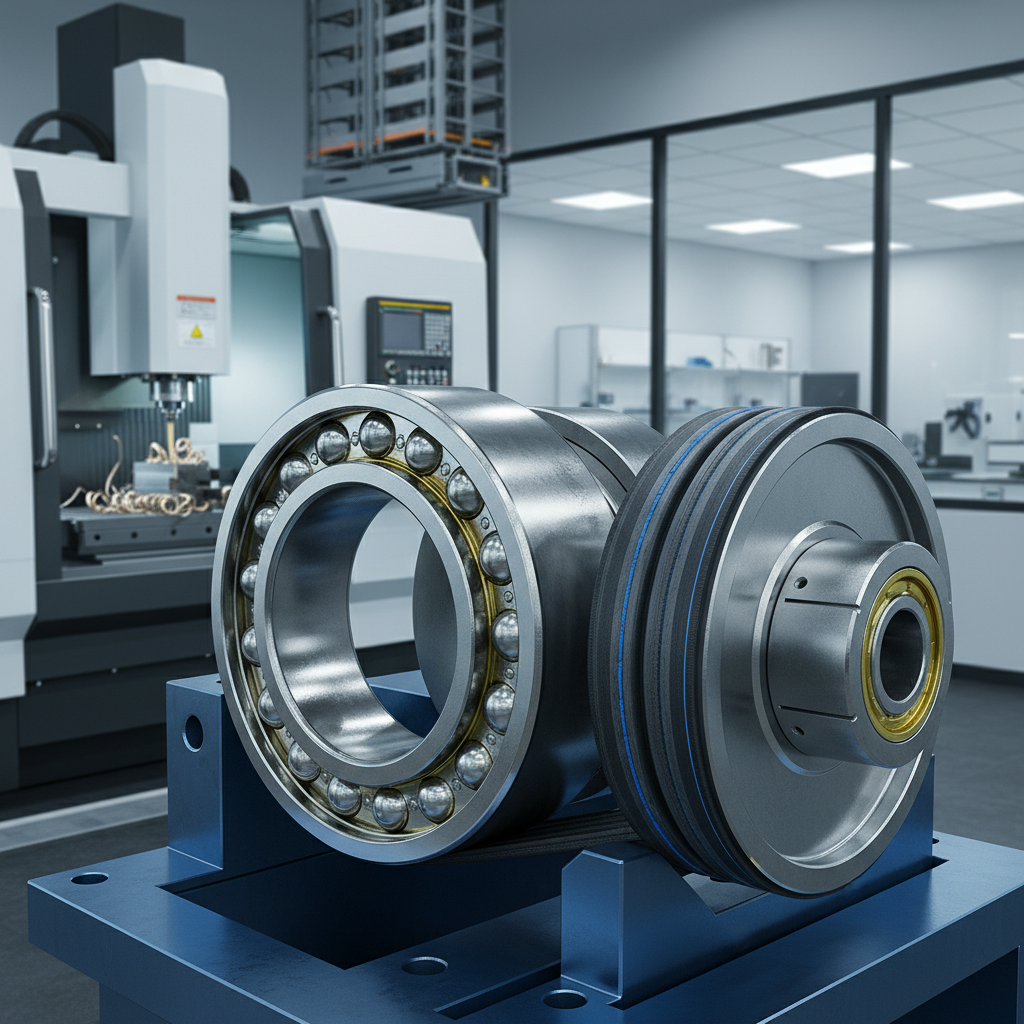
In simple terms, belts and bearings are the "muscles and joints" of any machine. Bearings are engineered components that allow two parts to move relative to each other with minimum friction, typically using rolling elements like balls or rollers to support radial and axial loads. They ensure that a shaft rotates smoothly without grinding against its housing.
Belts, on the other hand, are flexible connectors that transmit torque from one pulley to another. Whether they are synchronous (toothed) belts for precise timing or V-belts for high-torque power transmission, their primary role is to bridge the gap between the power source—such as an electric motor—and the driven component.
Together, these components fulfill a fundamental humanitarian and industrial need: the ability to automate labor-intensive tasks. From the elevators that move people in skyscrapers to the conveyor systems that distribute food and medicine globally, the reliability of these mechanical pairs is what enables the modern standard of living and industrial productivity.
Core Factors for Optimal Component Performance
When selecting belts and bearings, durability is the first pillar of consideration. This involves analyzing the material hardness of the bearing races and the tensile strength of the belt's internal cords. High-carbon chrome steel in bearings and aramid fibers in belts often provide the necessary resilience to handle shock loads without permanent deformation.
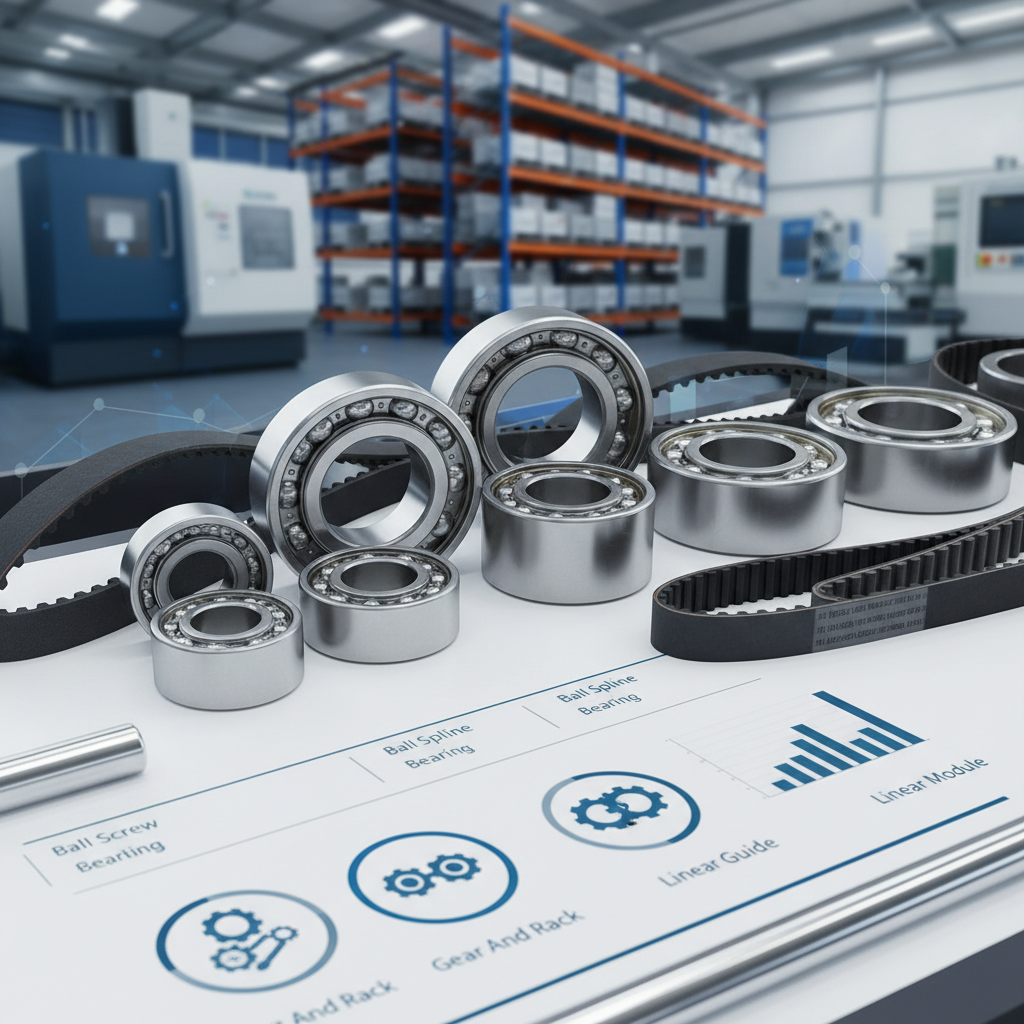
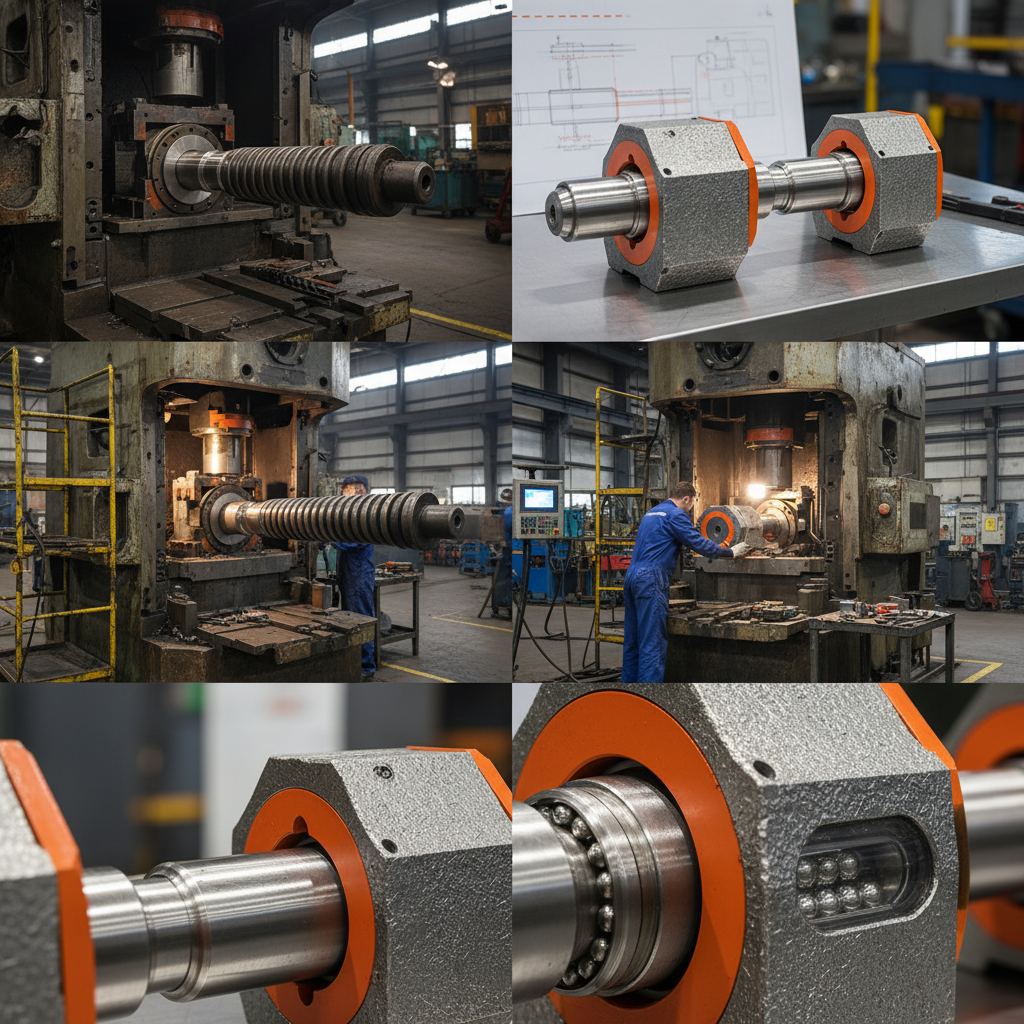
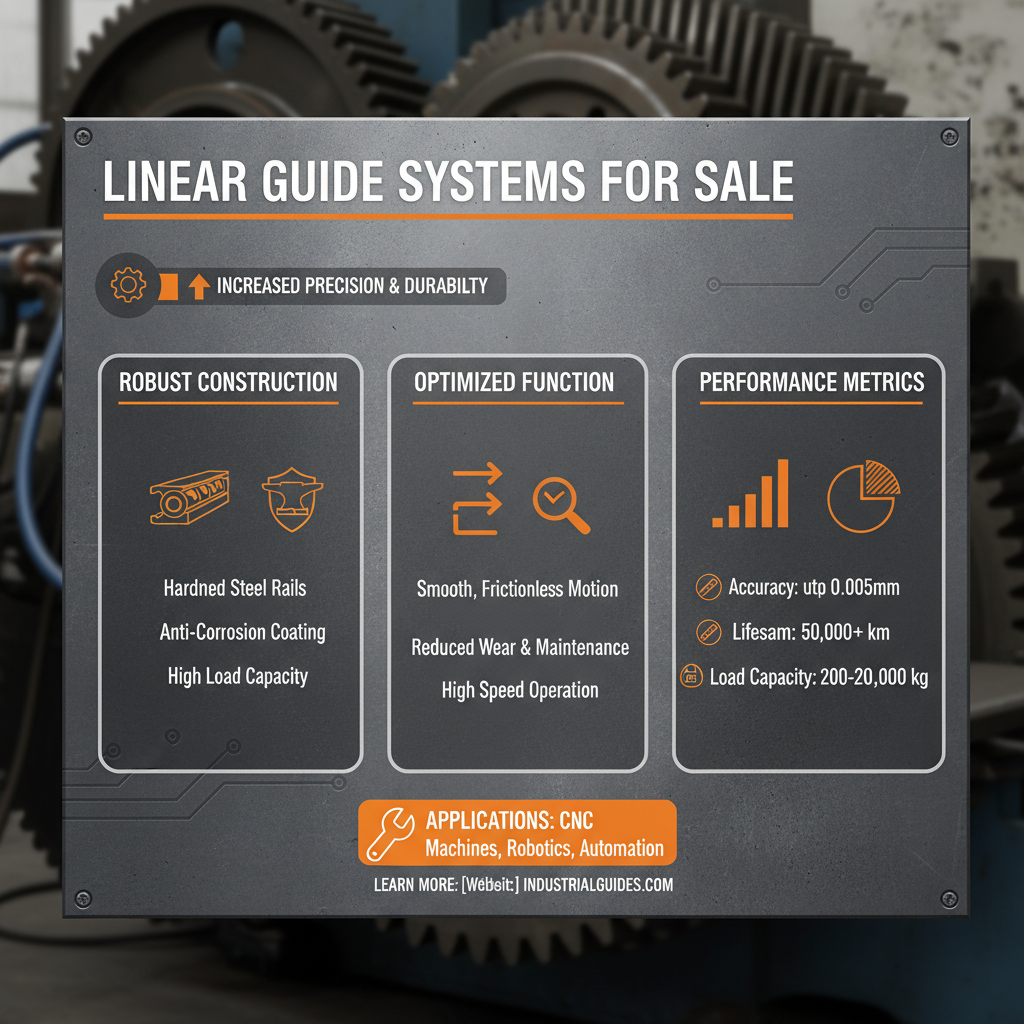
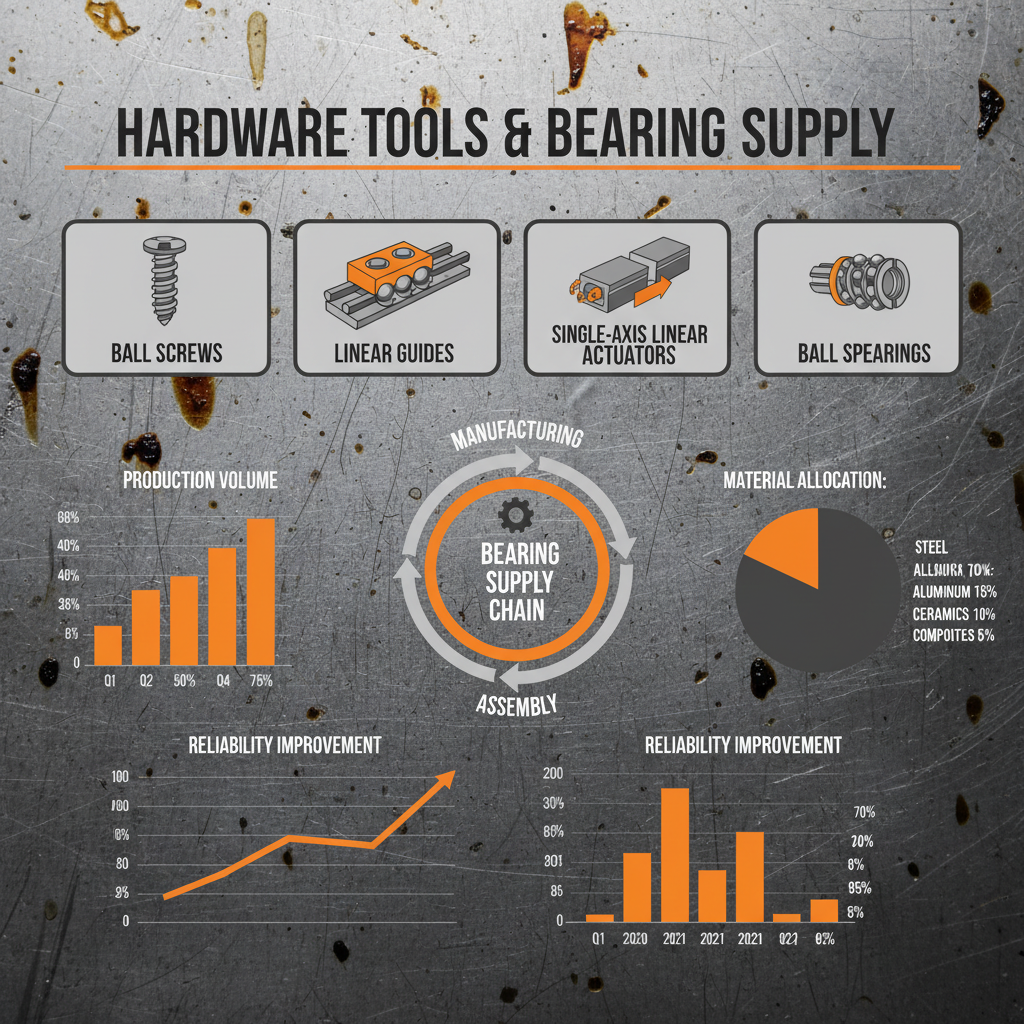
Scalability and precision are equally vital. For components like Ball Screws and Linear Guides, the integration of precision bearings ensures that the motion is repeatable within microns. This level of accuracy allows manufacturers to scale their production from a single prototype to thousands of identical units without losing quality, which is essential for the mass production of electronics.
Finally, cost efficiency is not about buying the cheapest part, but about optimizing the Total Cost of Ownership (TCO). By investing in premium belts and bearings that require less frequent lubrication and replacement, companies significantly reduce their operational expenditure and avoid the hidden costs of unplanned production halts.
Global Applications and Real-World Use Cases
The practical application of belts and bearings spans every continent and industry. In the automotive sector, timing belts and crankshaft bearings are critical for engine synchronization and longevity. In the robotics field, linear modules combining ball splines and precision bearings allow robotic arms to move with the fluidity and accuracy of a human limb, enabling complex assembly tasks in smart factories.
In more challenging environments, such as remote industrial zones or post-disaster relief operations, the robustness of these components is tested. For example, modular water purification plants deployed in disaster zones rely on heavy-duty bearings to handle the constant vibration of pumps and belts to drive filtration systems, where ease of maintenance and reliability are literally life-saving factors.
Performance Comparison of Motion Transmission Systems
Long-Term Value and Operational Advantages
The long-term value of high-quality belts and bearings extends beyond simple mechanical function; it is about trust and safety. In high-speed machinery, a bearing failure can lead to catastrophic seizure, posing a significant risk to operators. By utilizing components with certified tolerances and high-grade materials, companies ensure a safe working environment and uphold the dignity of their workforce.
From a sustainability perspective, the efficiency of these components directly impacts energy consumption. Low-friction bearings reduce the amount of electricity required to drive a motor, while optimized belt tensioning prevents energy loss through slippage. This logical shift toward energy-efficient motion control not only lowers carbon footprints but also creates a tangible competitive advantage in an increasingly "green" global economy.
Future Trends in Motion Control Innovation
The future of belts and bearings is being reshaped by the digital transformation. We are seeing the rise of "Smart Bearings" equipped with embedded MEMS (Micro-Electro-Mechanical Systems) sensors that monitor temperature and vibration in real-time. This allows for predictive maintenance, where a part is replaced just before it fails, eliminating the waste of premature replacement and the danger of unexpected breakdown.
Material science is also pushing boundaries. The introduction of ceramic hybrids in bearings allows for operation at higher speeds and temperatures with less lubrication. Similarly, carbon-fiber reinforced belts are providing the strength of steel with a fraction of the weight, which is critical for the development of lightweight electric vehicles and high-efficiency aerospace components.
Furthermore, the trend toward "modularization" means that linear modules—combining guides, bearings, and transmission belts—are becoming plug-and-play. This reduces installation time and allows factories to reconfigure their production lines in hours rather than weeks, providing the agility needed to respond to rapidly changing market demands.
Overcoming Common Challenges in Implementation
Despite their ubiquity, the implementation of belts and bearings often faces challenges such as improper lubrication and misalignment. Misaligned pulleys put uneven stress on belts, leading to rapid wear on the edges, while inadequate lubrication in bearings causes overheating and "spalling." These issues are often the result of poor installation practices rather than component defects.
To overcome these limitations, industry experts recommend the adoption of laser alignment tools and automated lubrication systems. By ensuring that the axis of rotation is perfectly collinear and that the lubricant is delivered in precise increments, the lifespan of the components can be doubled. Education and training for maintenance staff are therefore just as important as the quality of the hardware itself.
Another hurdle is the environmental degradation of rubber-based belts in chemical or high-heat settings. The solution lies in the strategic selection of materials, such as polyurethane or PTFE-coated belts, which offer chemical resistance. By matching the material properties to the specific environment, engineers can ensure a stable and predictable operation regardless of external conditions.
Comparative Analysis of Motion Component Selection Strategies
| Selection Metric |
Standard Grade |
Precision Grade |
Industrial Impact |
| Load Capacity |
Moderate |
High/Optimized |
Higher Machine Stability |
| Friction Level |
Standard |
Ultra-Low |
Reduced Energy Costs |
| Maintenance Cycle |
Frequent |
Extended |
Minimized Downtime |
| Tolerances |
+/- 0.05mm |
+/- 0.002mm |
Higher Product Quality |
| Initial Cost |
Low |
Moderate to High |
Higher ROI Long-term |
| Service Life |
2-3 Years |
5-10 Years |
Sustainable Operations |
FAQS
The choice depends on your need for precision. V-belts are excellent for high-torque applications where some slippage is acceptable, acting as a safety clutch. Synchronous (toothed) belts are essential when timing and precise positioning are required, as they prevent slippage entirely. When paired with precision bearings, synchronous belts are the preferred choice for CNC and robotics.
Listen for unusual noise: a high-pitched squeal often indicates belt slippage or glazing, while a grinding or humming sound usually points to bearing race fatigue or lack of lubrication. Additionally, excessive vibration or a noticeable drop in output precision are strong indicators that the components have reached their wear limit and should be replaced to avoid system failure.
While technically possible if the dimensions match, it is not recommended for precision machinery. Components from the same ecosystem are often engineered to work with specific tolerances. Mixing brands can lead to slight misalignments or differences in material expansion rates under heat, which can accelerate wear. For critical applications, sticking to a unified product line ensures consistent performance.
Lubrication is the single most critical factor for bearing longevity. It creates a thin film that prevents metal-to-metal contact, reduces heat, and flushes out contaminants. Over-lubrication can cause "churning," which increases temperature, while under-lubrication leads to friction-induced failure. Using the correct grade of synthetic grease specifically designed for the bearing's RPM is essential.
Ceramic bearings are superior in environments with high heat, corrosion, or extremely high speeds because they are harder and lighter than steel. They also require less lubrication. However, they are more expensive and can be more brittle under heavy impact loads. For most standard industrial belts and bearings applications, high-grade chrome steel remains the most cost-effective and reliable choice.
Belt stretch is common in rubber belts but can be minimized by using belts with high-strength internal cords, such as Kevlar or steel. Additionally, implementing an automatic tensioning system ensures that the belt remains at the optimal tension throughout its life, preventing the slippage and wear that occurs when a belt becomes loose over time.
Conclusion
In summary, the strategic selection and maintenance of belts and bearings are fundamental to the success of any mechanical system. By focusing on the synergy between durability, precision, and material science, industries can achieve a state of operational excellence where friction is minimized and reliability is maximized. From the initial design phase to the implementation of predictive maintenance, every detail counts in ensuring that the "joints and muscles" of the machine operate in perfect harmony.
Looking forward, the integration of smart monitoring and sustainable materials will continue to redefine the boundaries of motion control. We encourage engineers and procurement managers to shift their perspective from viewing these parts as simple consumables to treating them as critical performance drivers. Investing in high-quality components today is the only way to ensure a scalable, efficient, and safe industrial future. Visit our website for more professional solutions: www.yidibearings.com