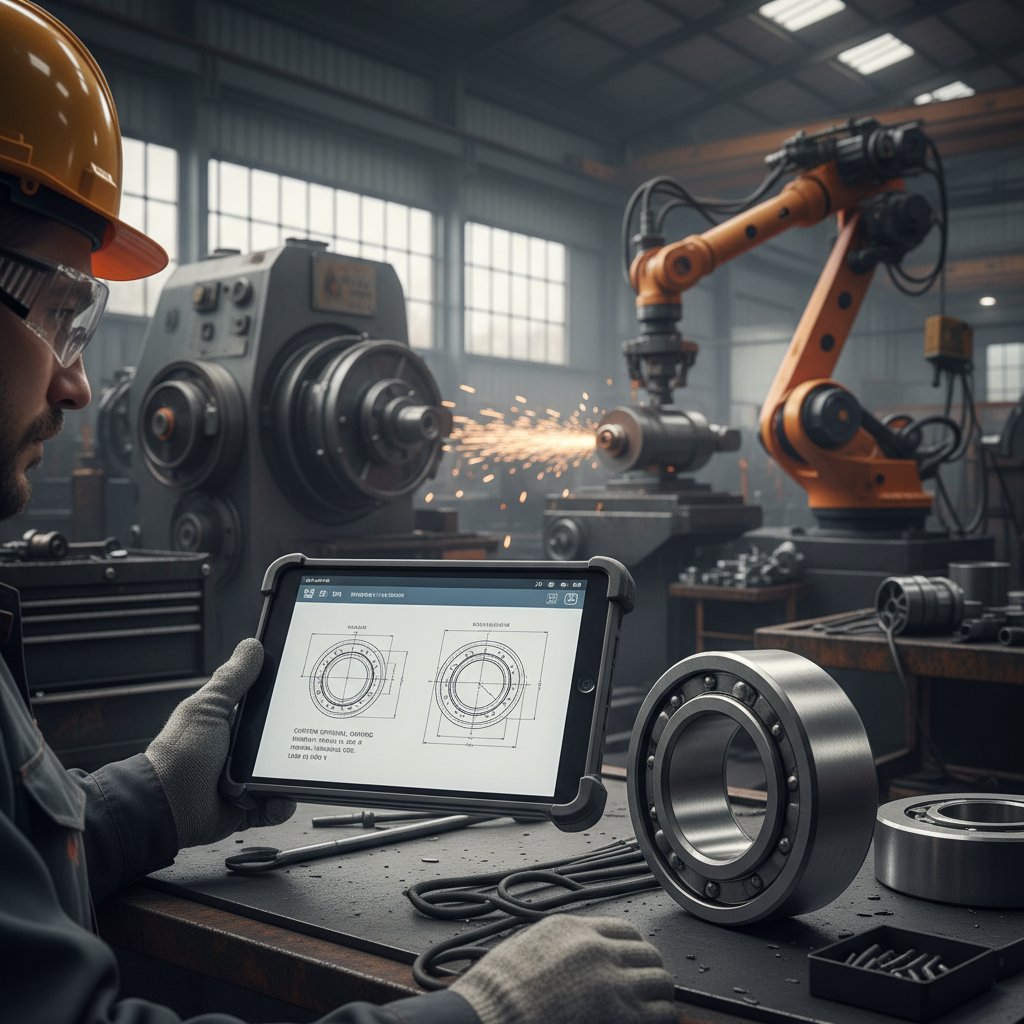
In the intricate world of precision machinery, ballbearings serve as the unsung heroes of mechanical efficiency, reducing friction and supporting radial and axial loads across countless applications. From the smallest medical devices to massive industrial turbines, these components are essential for ensuring smooth rotation and longevity in any system involving moving parts. Understanding the nuances of their design and selection is not just a technical requirement but a strategic advantage for engineers aiming to optimize performance.
Globally, the demand for high-precision ballbearings has surged as automation and robotics redefine the manufacturing landscape. The ability to minimize energy loss through friction directly impacts the sustainability and cost-effectiveness of industrial operations. As we move toward Industry 4.0, the integration of smart materials and precision engineering in bearing design has become a focal point for maintaining competitive edge in the global market.
Whether you are managing a fleet of conveyor systems or designing a high-speed CNC machine, the quality of your ballbearings determines the mean time between failures (MTBF) and the overall reliability of your equipment. This comprehensive guide explores the technical foundations, global applications, and future innovations of ball bearing technology to help you make informed procurement and engineering decisions.
Global Industry Context of Ballbearings
The global market for ballbearings is a cornerstone of the modern industrial economy, with growth closely tied to the expansion of the automotive, aerospace, and renewable energy sectors. According to industry standards aligned with ISO specifications, the precision of these components is critical for reducing carbon emissions by minimizing mechanical drag, which in turn lowers energy consumption in large-scale manufacturing plants.
However, the industry faces a significant challenge: the balance between extreme precision and cost-efficiency. In emerging industrial zones, the struggle to source high-grade materials often leads to premature bearing failure, resulting in costly downtime. This gap has driven the need for standardized, high-performance bearing solutions that can withstand harsh environments while maintaining tight tolerances.
Defining the Mechanics of Ballbearings
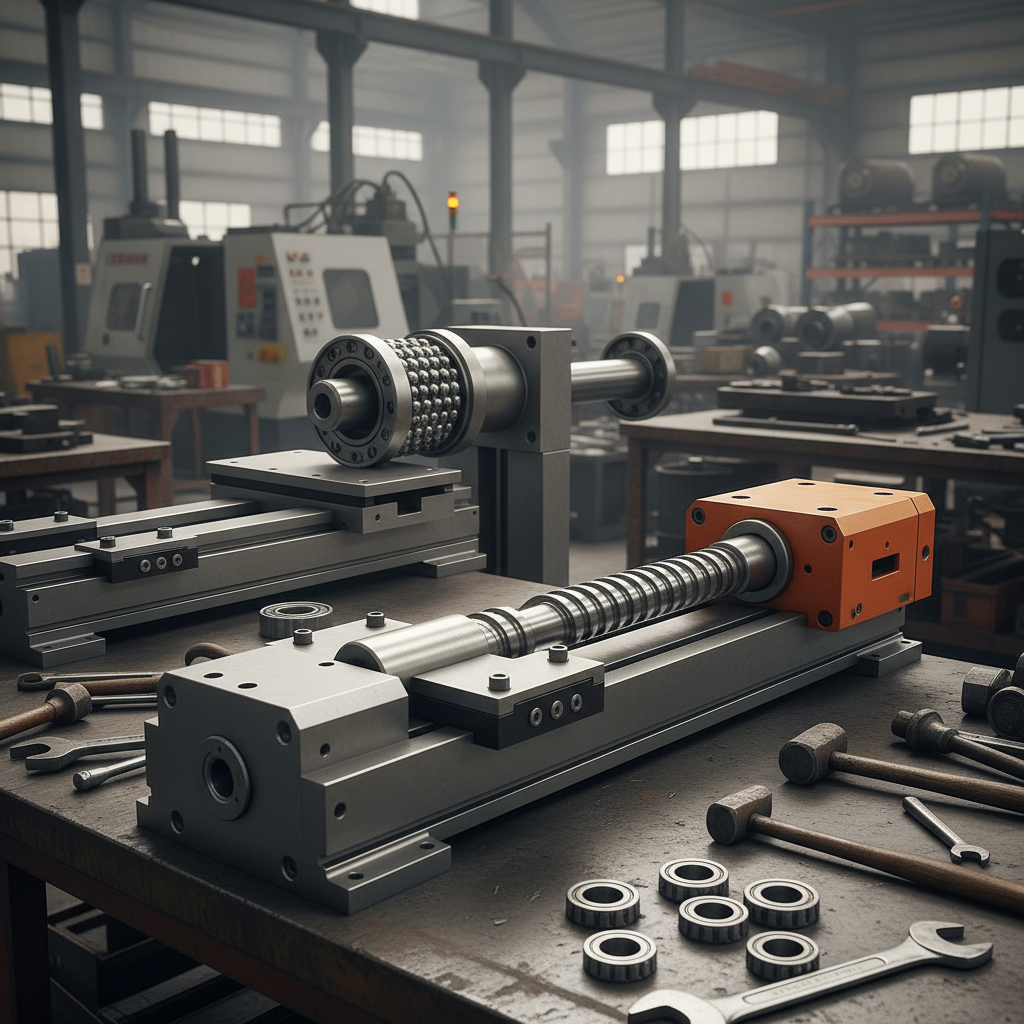
In simple terms, ballbearings are mechanical devices that allow a shaft to rotate smoothly while supporting a load. They consist of an inner race, an outer race, a set of spherical rolling elements (balls), and a cage to keep the balls evenly spaced. By replacing sliding friction with rolling friction, they dramatically reduce heat generation and wear.
From a broader perspective, these components are essential to humanitarian and civil infrastructure. For example, in water pumping systems for remote villages or medical centrifuges in clinics, the reliability of a simple ball bearing ensures that life-saving equipment operates without interruption. It is the invisible link that enables modern civilization's mobility.
Modern industrial needs have pushed the definition of these components further, evolving from simple steel rings to complex ceramic hybrids. These advancements allow bearings to operate at speeds and temperatures that were previously unthinkable, supporting the high-demand requirements of electric vehicle (EV) motors and high-speed rail systems.
Core Components for Maximum Durability
The longevity of ballbearings begins with material science. High-carbon chromium steel is the standard for durability, providing the necessary hardness to resist deformation under heavy radial loads. The precision grinding of the races ensures that the contact point between the ball and the track is minimized, reducing localized stress.
Scalability is achieved through diverse cage materials. While steel cages are common, nylon or brass cages are used in ballbearings designed for extreme temperatures or corrosive environments. This flexibility allows engineers to adapt the same basic bearing architecture to applications ranging from food processing to aerospace engines.
Sealing and lubrication represent the final pillar of reliability. Effective seals prevent contaminants from entering the raceway and keep lubricants contained. Without proper sealing, even the highest-grade bearing will fail due to abrasive wear or lubrication starvation, making the seal as critical as the rolling elements themselves.
Performance Metrics and Efficiency Analysis
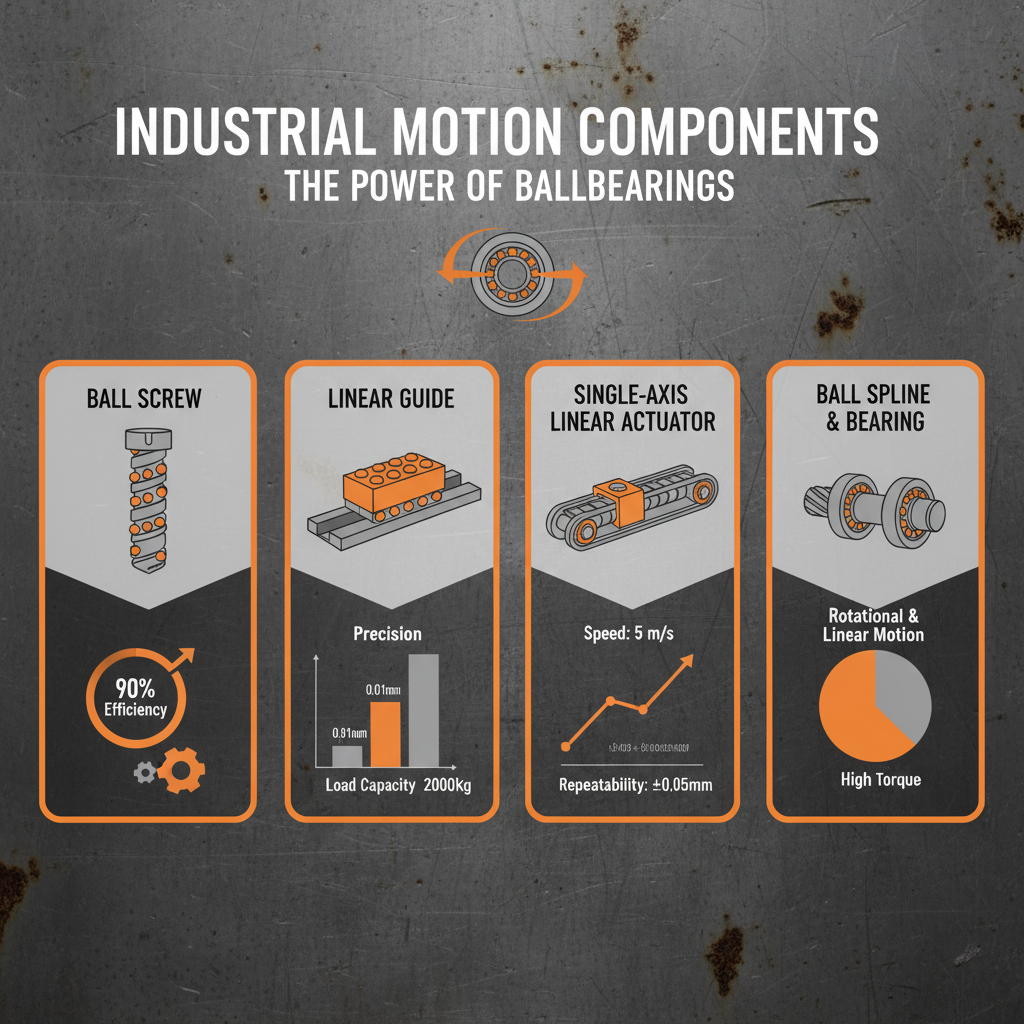
Evaluating the efficiency of ballbearings requires a deep dive into friction coefficients and load ratings. Engineers typically look at the dynamic load rating (the load a bearing can handle for a given life) and the static load rating (the maximum load it can support without permanent deformation).
By comparing different bearing configurations, we can determine which material or design offers the best trade-off between speed and load capacity. For instance, ceramic balls offer lower friction and higher heat resistance than steel, making them ideal for high-RPM applications despite a higher initial cost.
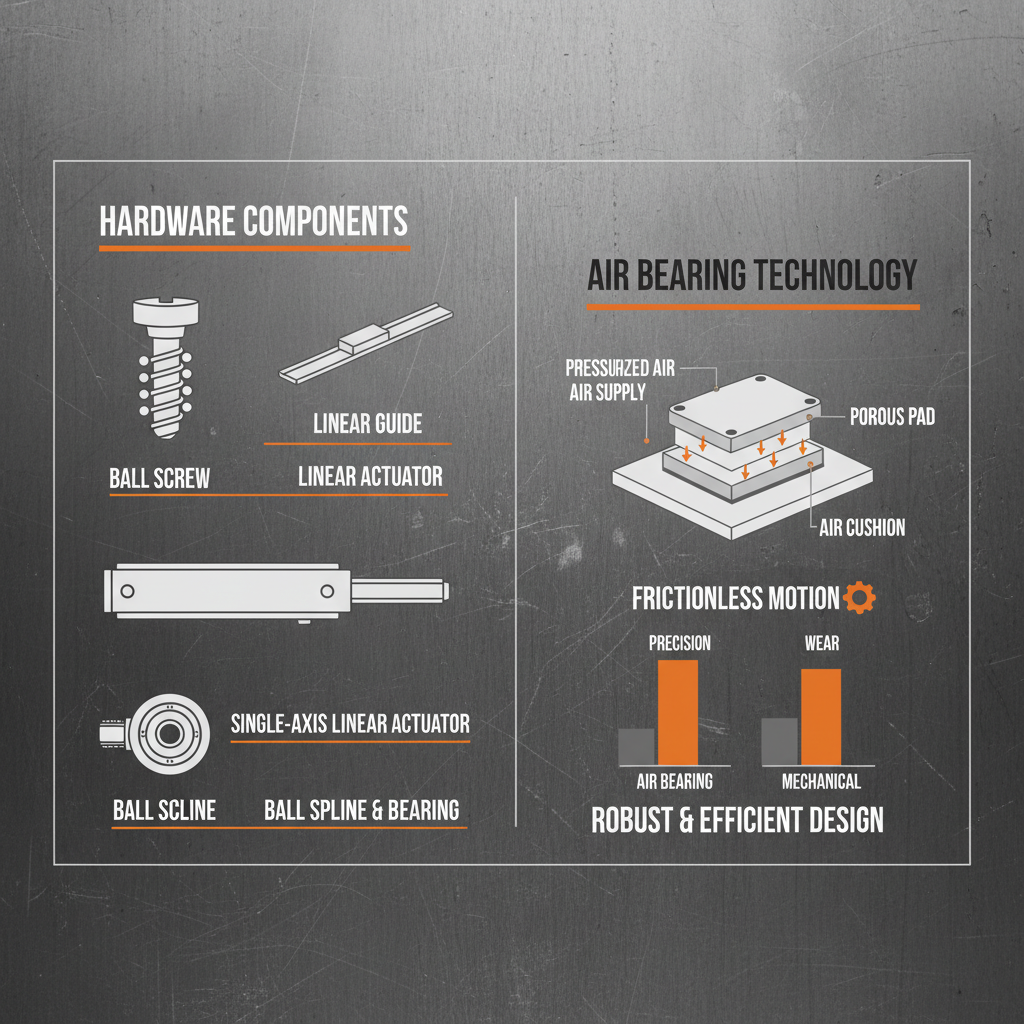
Efficiency Comparison of Various Ballbearings Designs
Global Applications and Industrial Use Cases
In real-world contexts, ballbearings are ubiquitous. In the automotive sector, they are found in wheel hubs, alternators, and transmissions, where they must withstand constant vibration and varying temperature cycles. In Europe and North America, the push toward electric vehicles has led to the development of specialized bearings that can handle the electrical currents generated by EV motors without pitting.
Beyond transportation, these components are vital in extreme industrial zones. For instance, in mining operations in Australia or oil rigs in the North Sea, bearings are engineered with specialized coatings to resist salt-spray corrosion and abrasive dust. These heavy-duty applications demonstrate that the correct choice of bearing is not just about movement, but about survival in hostile environments.
Long-Term Value and Reliability Benefits
The tangible benefits of investing in high-quality ballbearings extend far beyond the initial purchase price. By reducing friction, these components lower the energy requirements of a machine, contributing to overall sustainability and reducing operational costs over the product's lifecycle.
From a logical perspective, reliability equates to safety. In critical applications like aircraft landing gear or high-speed elevators, a bearing failure can be catastrophic. Therefore, the trust placed in precision-engineered bearings is a matter of human safety and operational integrity.
Emotionally, for the plant manager or the end-user, the value lies in peace of mind. Knowing that the core rotational elements of a system are built to last eliminates the anxiety of unexpected breakdowns, allowing for a focus on innovation and growth rather than constant maintenance and repair.
Future Trends in Bearing Innovation
The future of ballbearings is being shaped by the digital transformation. We are seeing the rise of "smart bearings" embedded with sensors that can monitor temperature, vibration, and lubrication levels in real-time. This enables predictive maintenance, where a bearing can alert an operator that it is nearing the end of its life before a failure occurs.
Material science is also evolving with the introduction of nano-coatings and graphene-enhanced lubricants. These innovations aim to create virtually "frictionless" movement, which is essential for the next generation of ultra-high-speed turbines and space exploration hardware.
Sustainability is now a primary driver. The industry is shifting toward biodegradable lubricants and recycled steel production to minimize the environmental footprint of bearing manufacturing. As green energy becomes the global standard, the efficiency of these components will play a pivotal role in maximizing the output of wind turbines and hydroelectric plants.
Comparison of Bearing Material Innovations and Performance
| Material Type |
Friction Level |
Heat Tolerance |
Lifecycle Score |
| Chrome Steel |
Moderate |
Medium |
7/10 |
| Stainless Steel |
Moderate |
Medium |
8/10 |
| Silicon Nitride |
Very Low |
Very High |
10/10 |
| Hybrid Ceramic |
Low |
High |
9/10 |
| Polymer Composite |
Low |
Low |
6/10 |
| Tungsten Carbide |
Moderate |
High |
8/10 |
FAQS
The primary difference lies in friction, weight, and heat resistance. Ceramic balls are harder, lighter, and produce significantly less friction than steel, allowing for higher rotational speeds and better performance in high-temperature environments. However, steel bearings are generally more cost-effective for standard industrial loads.
Common signs of failure include increased noise (grinding or squealing), excessive vibration in the machinery, and a rise in operating temperature. If you notice a decrease in rotational speed or an increase in power consumption to maintain the same speed, it is likely that the bearings have worn out or lost lubrication.
It depends on the application. Sealed bearings are superior in dusty or wet environments as they protect the rolling elements and retain grease. Open bearings are better for applications where the bearing is submerged in an oil bath or where high-speed heat dissipation is required, allowing the lubricant to circulate freely.
The most common causes are contamination (dust, water), improper lubrication, and misalignment during installation. Overloading the bearing beyond its rated capacity or operating it in an environment that exceeds its temperature limits will also lead to rapid degradation and failure.
Generally, no. Sealed bearings are "lubricated for life." If a sealed bearing requires more lubrication, it usually means the seal has failed, and the bearing should be replaced entirely rather than attempting to inject lubricant, which could push contaminants further into the raceway.
You must calculate the combined radial and axial loads acting on the shaft. Refer to the manufacturer's dynamic load rating to estimate the bearing's life in millions of revolutions. Always include a safety factor (typically 1.5x to 2x) to account for unexpected surges in load or operational vibration.
Conclusion
In summary, ballbearings are fundamental to the operational success of any mechanical system, bridging the gap between raw power and precise motion. By understanding the critical roles of material selection, precision tolerances, and proper maintenance, industries can significantly reduce downtime and increase energy efficiency. From the basic steel race to the futuristic smart bearing, these components continue to evolve to meet the demands of a more automated and sustainable world.
As we look forward, the integration of AI-driven predictive maintenance and advanced ceramic materials will likely redefine the limits of mechanical endurance. We encourage engineers and procurement specialists to prioritize quality and precision over short-term cost savings to ensure long-term system reliability. To explore our full range of precision motion solutions, visit our website: www.yidibearings.com