Finding a reliable bearing exporter is a critical strategic decision for procurement managers in the general equipment manufacturing sector. In the complex landscape of rolling bearings and linear motion components, the ability to source high-precision parts that meet rigorous international standards directly impacts machine longevity and operational throughput.
Many buyers struggle with the balance between cost-efficiency and technical reliability, often facing risks related to material inconsistency or poor tolerance control. This challenge is amplified when sourcing customized OEM/ODM solutions for specific automation scenarios where standard components fail to meet precision requirements.
This guide provides a professional framework for evaluating bearing suppliers, analyzing technical specifications for linear motion parts, and establishing a procurement strategy that ensures quality stability and long-term economic benefit.

Core Criteria for Evaluating a Bearing Exporter

When vetting a bearing exporter, the primary focus should move beyond price points toward technical capacity and quality management systems. A professional supplier must demonstrate an integrated production chain, from raw material selection to final precision grinding. For instance, the presence of advanced equipment from Germany and Japan often indicates a commitment to stable production processes and higher efficiency.
Furthermore, certification is a non-negotiable baseline. ISO 9001 certification ensures that the manufacturer follows a standardized quality management system. For specialized industries, look for CE and RoHS certifications for linear guides and ball screws, or FDA certification for medical-grade bearings, as these indicate the exporter's ability to meet specific regulatory demands of different global markets.
Technical Analysis of Linear Motion Components
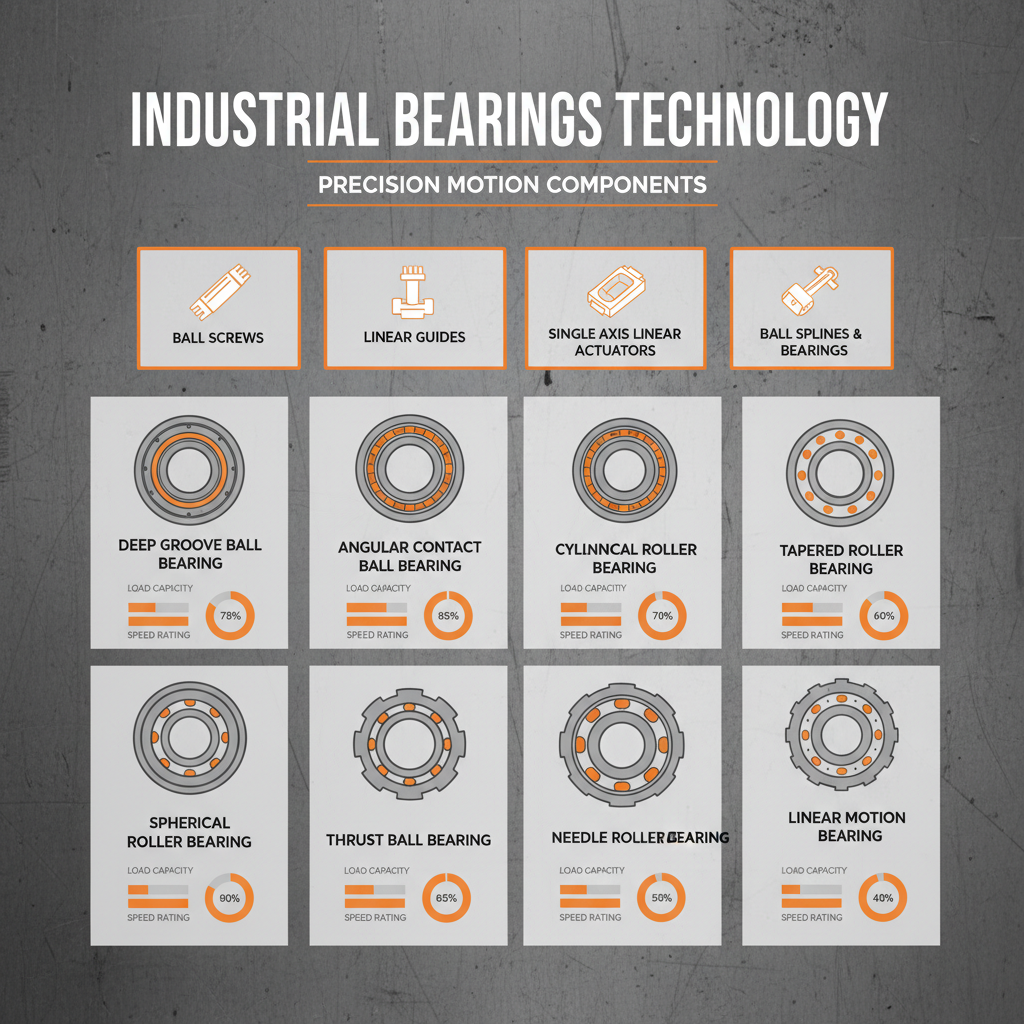
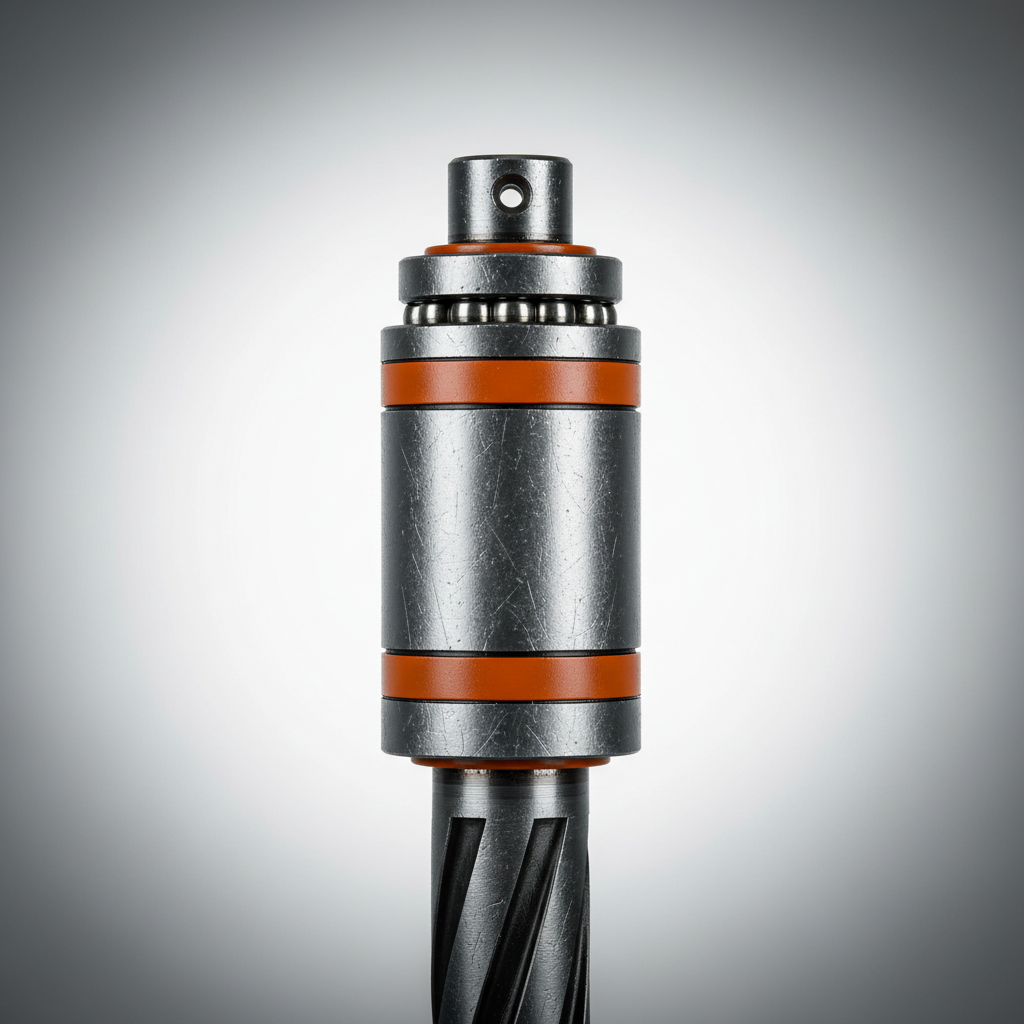
Linear motion systems rely on the synergy between Ball Screws, Linear Guides, and Ball Splines. The technical value of these components is measured by their precision grade (e.g., C3-grade for ball screws), load capacity, and friction coefficients. A high-quality ball screw provides the necessary conversion of rotary motion to linear motion with minimal backlash, which is essential for CNC machinery and precision robotics.
Linear guides and modules further enhance stability by providing a rigid path for movement. The integration of an MES (Manufacturing Execution System) during the production of these parts allows for digital traceability, ensuring that every batch meets the specified tolerance. This digital approach reduces the variance between the theoretical design and the actual physical product delivered by the exporter.
Integrating Precision Modules in Automation
Modern precision automation requires components that optimize for silence, accuracy, and stability. For example, the European standard silent belt linear module LD4015 represents an economical yet compact solution. By combining innovative material technology with optimized control algorithms, such modules reduce vibration and noise, making them suitable for sensitive environments like medical labs or semiconductor assembly lines.
The effectiveness of these modules depends on the collaboration between structural design and material choice. When selecting a linear module, engineers must evaluate the three-dimensional optimization: how the structural rigidity handles load, how the material minimizes wear, and how the control system ensures repeatable positioning accuracy over millions of cycles.
Relative Performance Indices by Component Type
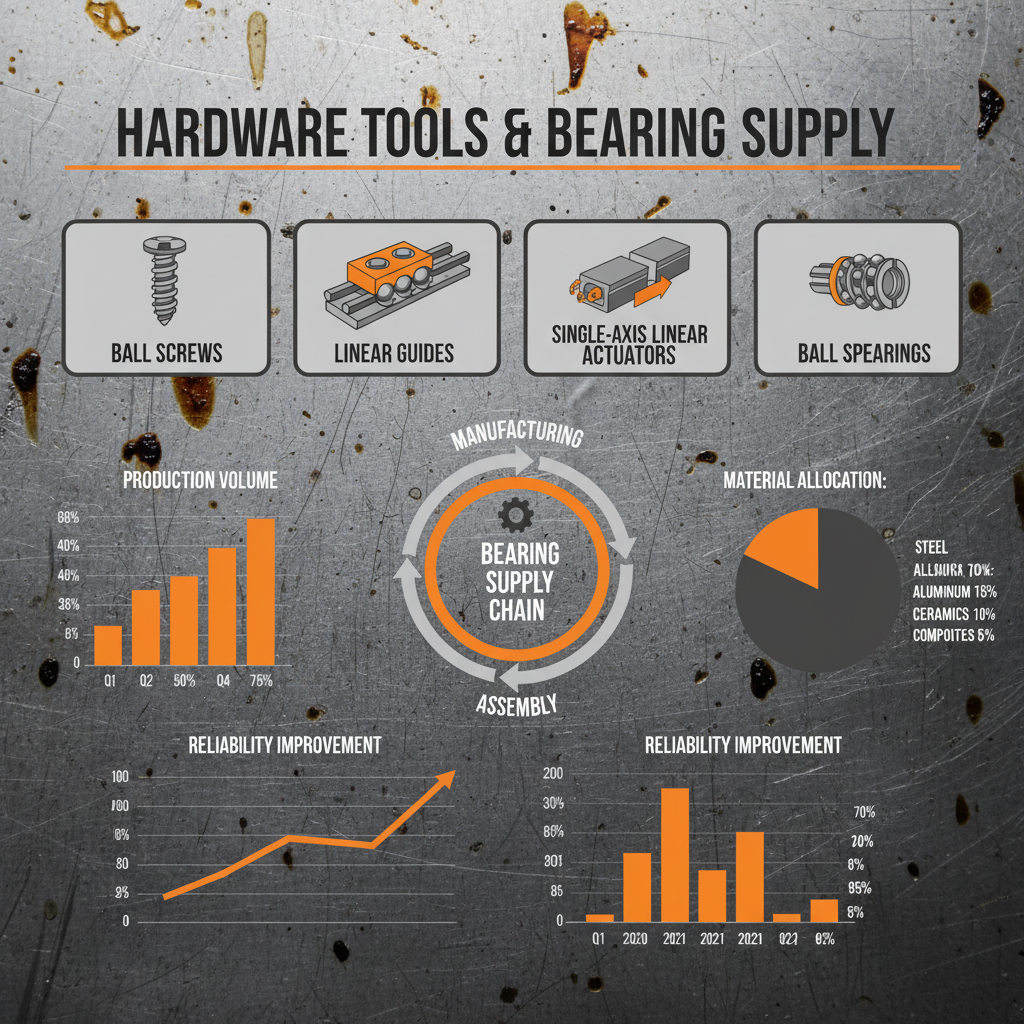
Different linear motion components contribute differently to overall system performance. The following conceptual data represents a relative evaluation of components based on typical industry priority dimensions such as precision, load capacity, and installation complexity.
This illustrative framework shows that while Ball Screws excel in precision, Linear Modules provide the highest integration value. Ball Splines offer a unique balance of torque transmission and linear guidance. Buyers should align their component selection with the dominant requirement of their specific application—whether it be extreme precision or high-load stability.
Risk Mitigation in Global Bearing Sourcing
Sourcing from an international bearing exporter introduces risks related to lead times, customs compliance, and quality drift. To mitigate these, buyers should prioritize suppliers with a proven global footprint, exporting to multiple regions like Germany, the USA, Canada, and Japan. This global experience usually means the supplier is familiar with varying regional standards and logistics requirements.
Technical risk can be reduced by requesting detailed inspection reports and utilizing suppliers who invest heavily in R&D. A high ratio of senior technicians (e.g., over 30% of the workforce) indicates a stronger capability to handle complex engineering challenges and provide technical support during the integration phase, rather than just acting as a trading intermediary.
Customization Framework for OEM/ODM Requirements
Standard components often fall short in specialized industrial applications. OEM and ODM services allow for the customization of ball screws and linear guides to meet specific length, diameter, and load requirements. The key to successful customization is a structured communication process: defining the operating environment, load cycles, and precision tolerances before production begins.
Effective customization also involves selecting the right lubrication and sealing options. For instance, intelligent lubrication systems in ball splines can significantly extend the service life of the component in dusty or high-temperature environments. A professional exporter will offer a "one-stop selection service," guiding the buyer from the conceptual design to the final manufactured part.
Supplier Selection Decision Matrix
When comparing different bearing exporters, using a normalized scoring system helps in making an objective decision. The following table compares three typical sourcing approaches: Traditional Trading, Standard Manufacturer, and Integrated Solution Provider.
| Sourcing Model | Technical Support | Customization | Price Stability | Quality Control |
|---|---|---|---|---|
| Trading Company | Low | Limited | Variable | Indirect |
| Standard Factory | Medium | Medium | Stable | Direct |
| Integrated Provider | High | Full ODM | Competitive | Strict/Digital |
| Low-Cost Vendor | Minimal | None | Low | Basic |
| Premium Brand | High | High | Premium | Very Strict |
| Custom Specialist | Expert | Extreme | Project-based | Customized |
For enterprises seeking long-term economic benefits and stability, the "Integrated Provider" model—which combines manufacturing capacity with technical consulting—usually offers the best ROI. This approach reduces the total cost of ownership by minimizing installation errors and extending the maintenance intervals of the linear motion system.
Frequently Asked Questions
Prioritize certifications (ISO 9001, CE, RoHS), the presence of advanced production equipment (Japanese/German), the ratio of technical staff to total employees, and their experience in exporting to your specific region.
C3-grade refers to a specific precision tolerance class that ensures higher accuracy in linear positioning and lower backlash compared to standard commercial grades, making it suitable for precision automation.
Yes, professional exporters offering OEM/ODM services can customize the length, load capacity, and drive mechanism of linear modules to fit your specific spatial and technical constraints.
The LD4015 optimizes for silence, accuracy, and stability, making it ideal for precision scenarios where noise reduction is critical without sacrificing stability or economic viability.
Request material certificates, dimension inspection reports, and verify the manufacturer's use of an MES system for digital production management and traceability.
A complete solution typically includes ball screws for drive, linear guides for support, ball splines for combined motion, and linear modules for integrated movement.
Conclusion
Selecting a bearing exporter is not merely a transaction but a partnership in engineering. By focusing on technical capacity, digital production management, and a proven track record of global delivery, companies can secure a supply chain that enhances machine performance while reducing long-term operational costs.
For organizations seeking high-precision linear motion components and customized OEM/ODM solutions, you can review the available product range and technical capabilities at www.yidibearings.com to ensure your automation requirements are met with stability and precision.