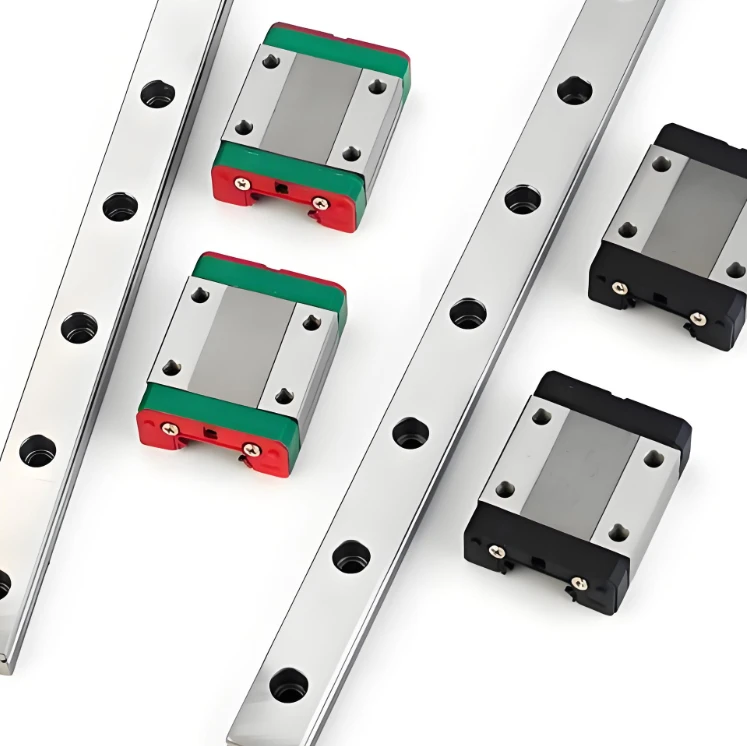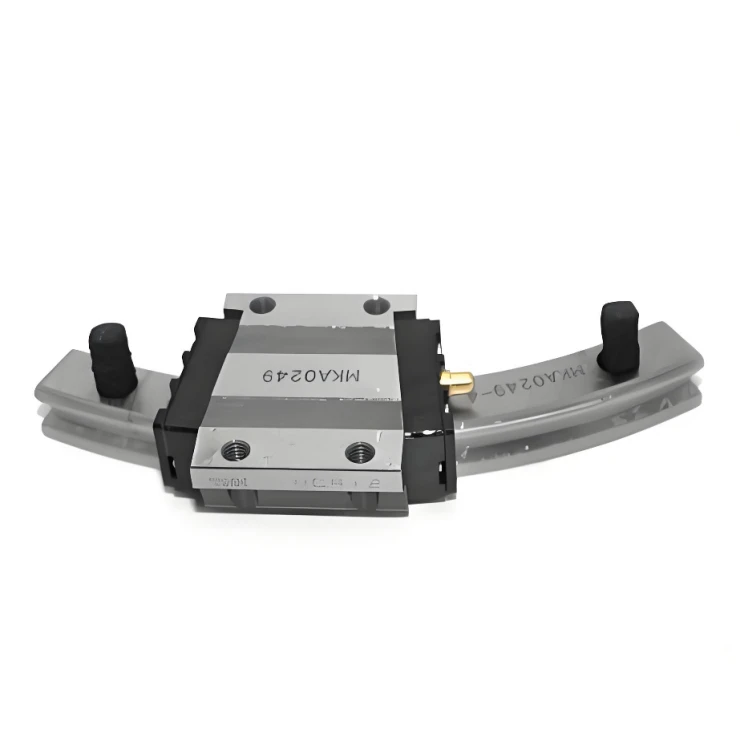
The Indonesian manufacturing landscape is currently undergoing a massive shift toward "Making Indonesia 4.0". However, the tropical climate, characterized by high humidity and salinity in coastal industrial zones like Bekasi and Karawang, places severe stress on linear guides, often leading to premature corrosion and friction increase.
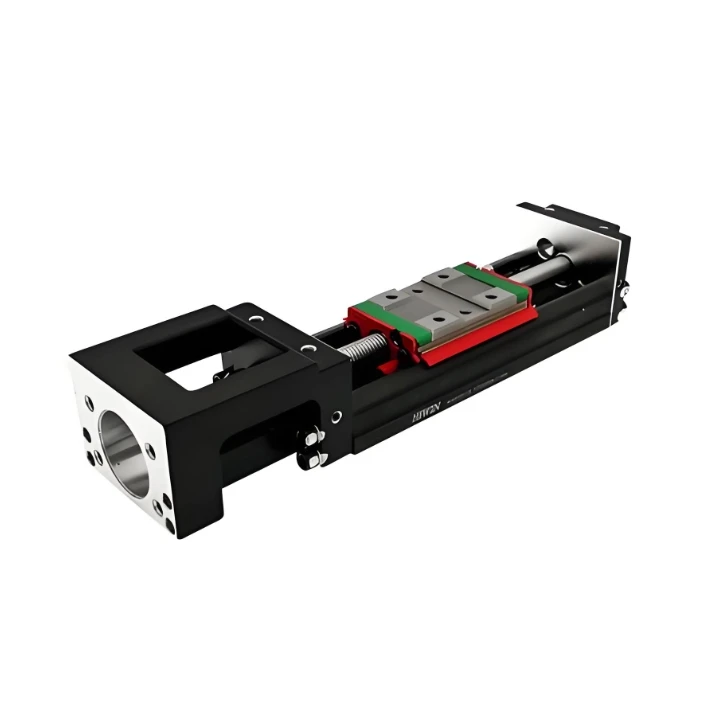
Local factories are transitioning from low-cost manual machinery to automated systems. This has spiked the demand for high-rigidity linear modules that can handle the heavy workloads of the automotive and textile industries while maintaining micron-level accuracy despite ambient temperature fluctuations.
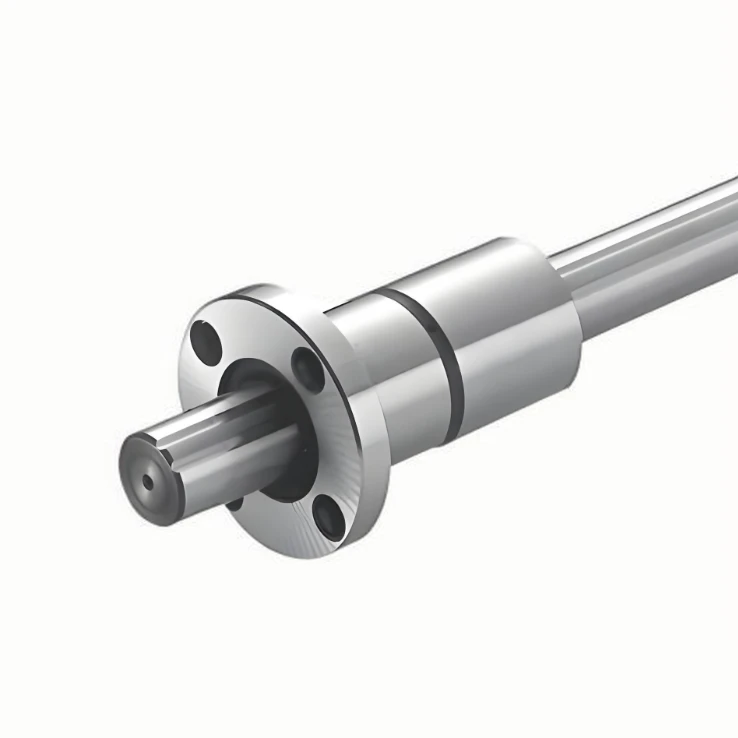
Despite the growth, there is a critical gap in the availability of specialized components like ball splines, forcing many local SMEs to rely on expensive imports with long lead times, which hinders the agility of the local supply chain.