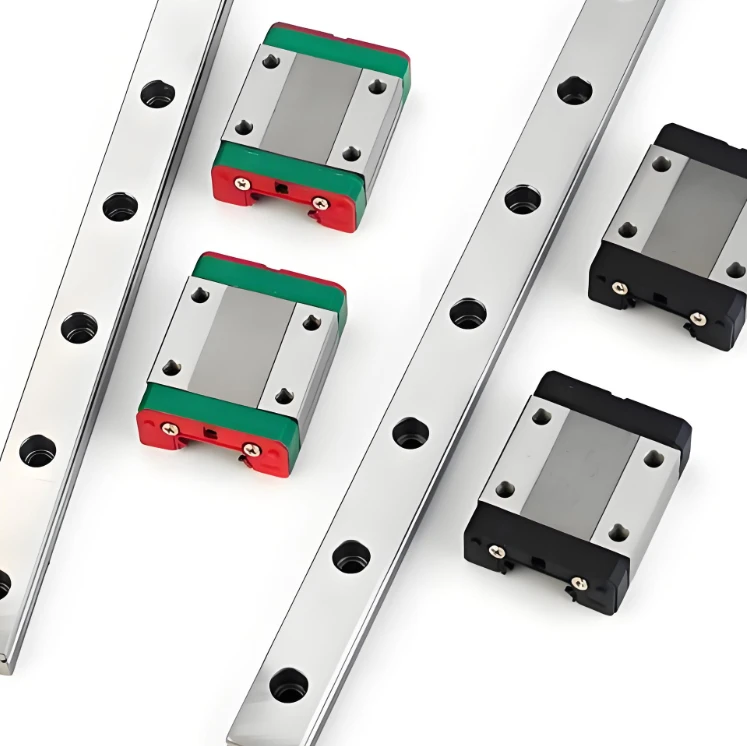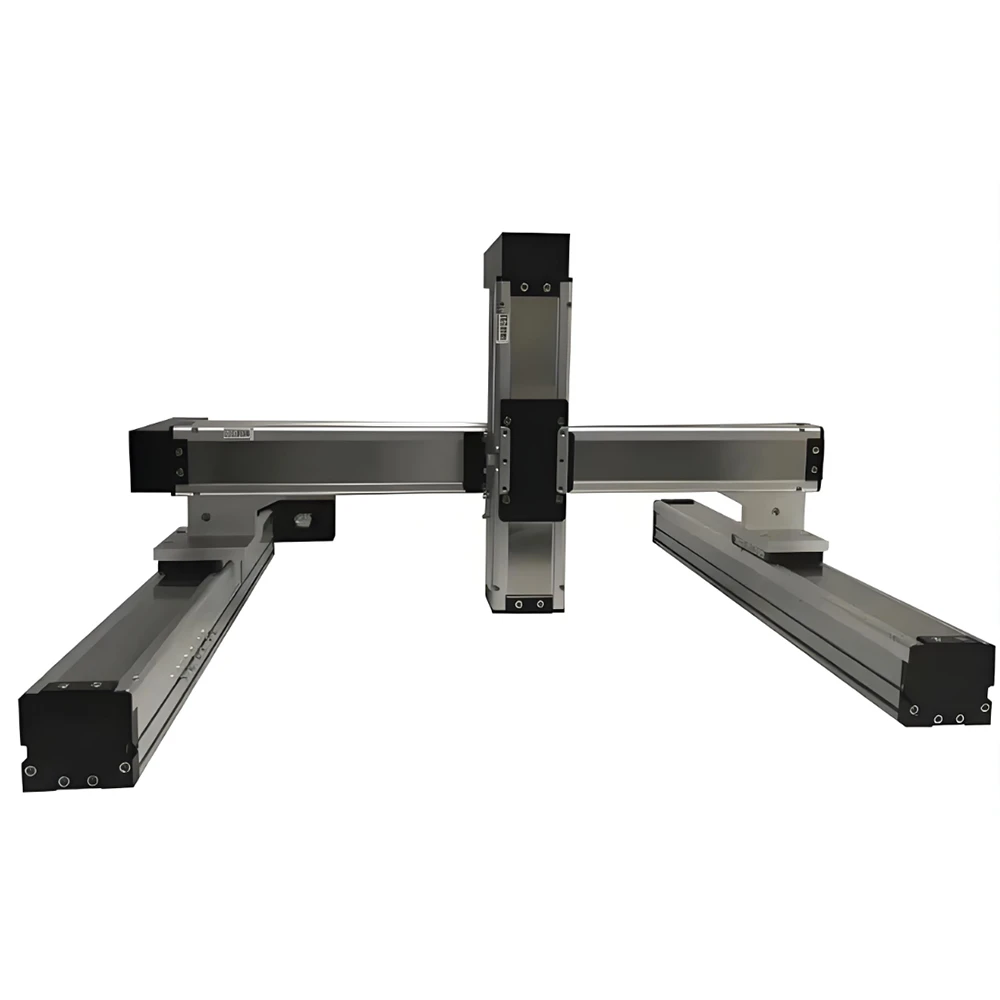
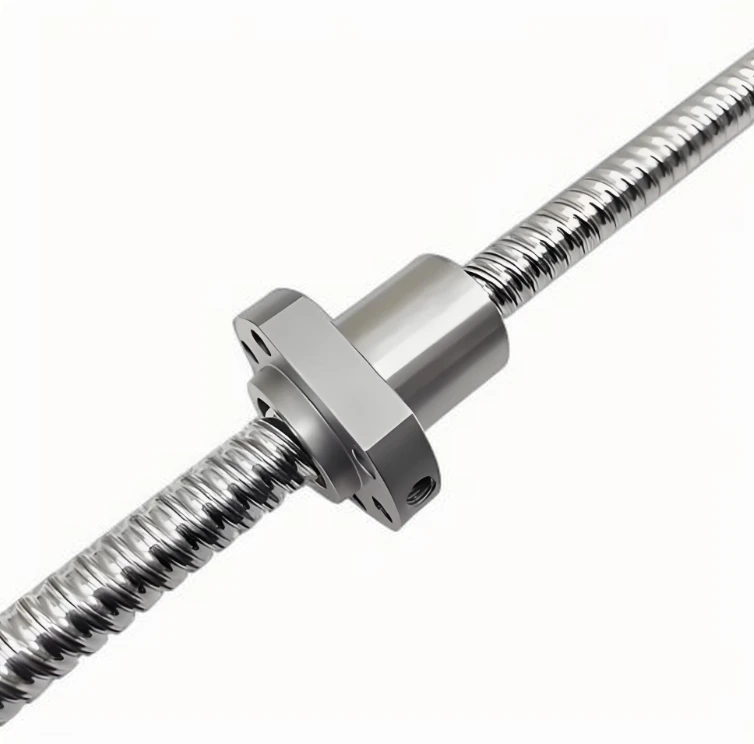
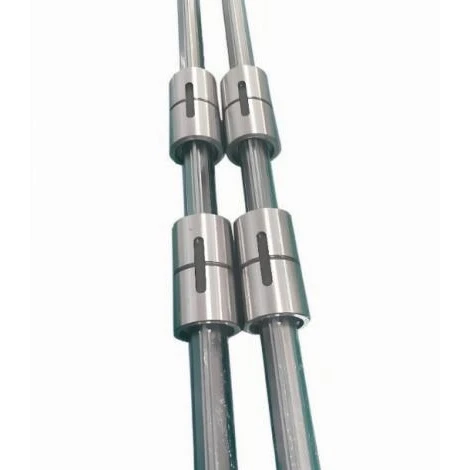
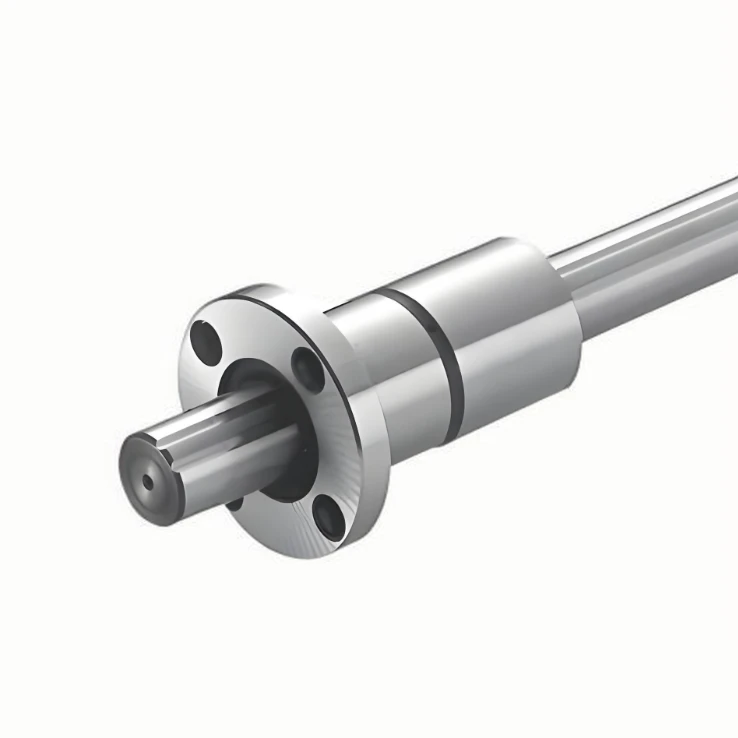
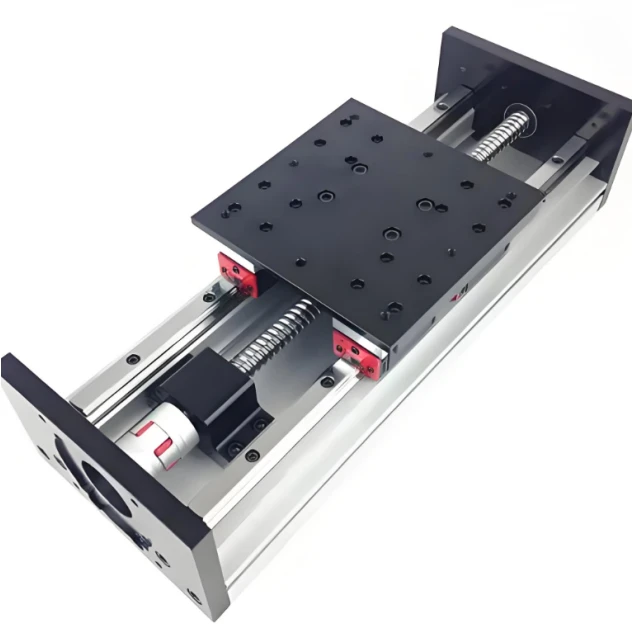
High-Precision Ball Screws Solutions for Australian Industry

Engineering excellence in linear motion and transmission components tailored for the rigorous demands of the Oceania market.

The State of Linear Motion in Oceania - Australia

Analyzing the operational challenges and environmental demands of the Australian industrial landscape.

Australia's industrial sector is characterized by extreme environmental conditions, where high temperature fluctuations and abrasive dust in mining regions put immense pressure on bearings and transmission parts. The need for components that can withstand harsh outdoor environments while maintaining micron-level precision is a primary driver for local engineering requirements.

Currently, there is a significant shift toward automation in the agricultural and mining sectors. The adoption of robust linear guides is increasing as companies seek to reduce manual labor and increase throughput in remote operations, demanding components with superior corrosion resistance and long-term lubrication stability.

Furthermore, the Australian manufacturing hub is evolving toward "Industry 4.0," necessitating the integration of linear modules that offer seamless compatibility with IoT sensors and high-speed control systems, ensuring that local production remains competitive on a global scale.
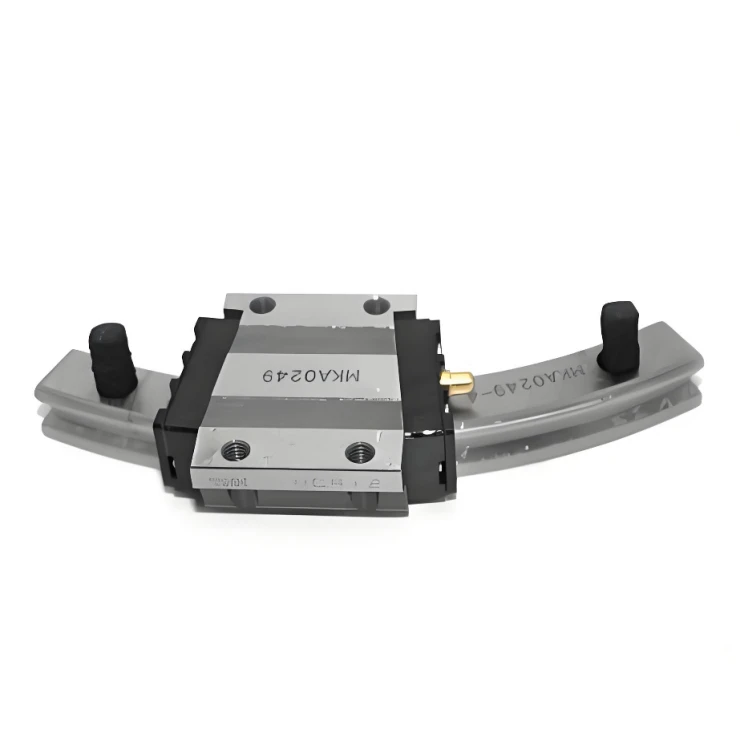
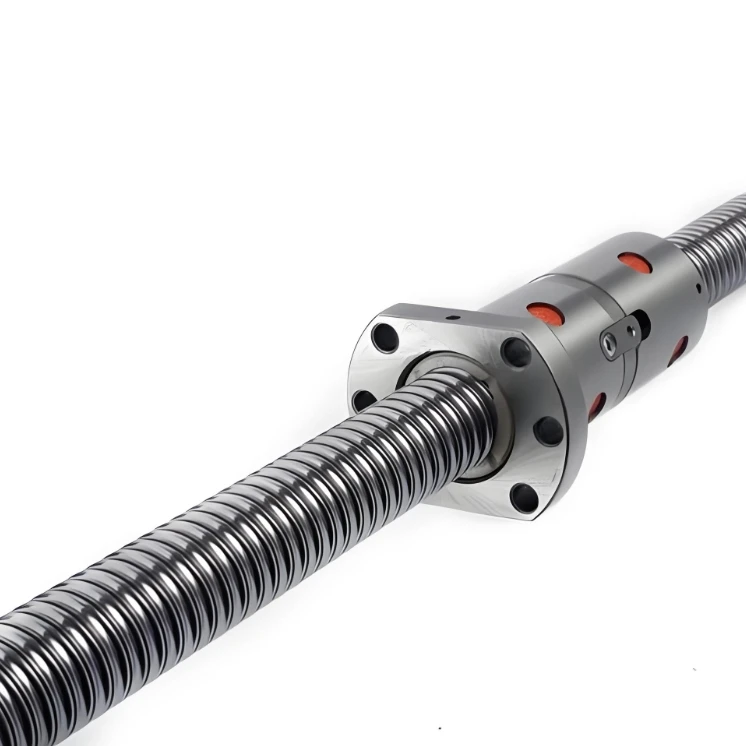
Evolution of Linear Motion Technology in Australia

From traditional mechanical drives to intelligent automated motion systems.

Market Development History

In the early 2000s, the Australian market relied heavily on basic mechanical slideways and traditional oil-lubricated bearings. The primary focus was on sheer durability for heavy-duty mining equipment, where precision was secondary to raw load-bearing capacity.

Between 2010 and 2020, a transition occurred toward recirculating ball technology. The introduction of precision ball splines allowed for more complex multi-axis movements, enabling the growth of the local CNC machinery and automated packaging sectors.

By 2023, the focus shifted toward integrated systems. The movement evolved from standalone components to complete motion assemblies, where the synergy between the drive and the guide is optimized for energy efficiency and reduced maintenance intervals.

Future Development Trends

Smart Lubrication Integration

The next 3-5 years will see a rise in "self-sensing" components that notify operators of wear and tear before failure occurs, reducing unplanned downtime in remote Australian sites.

Extreme-Environment Materials

Increased demand for ceramic-hybrid materials to combat the corrosive saline air of coastal industrial zones and the abrasive dust of the Outback.

Hyper-Precision Miniaturization

A surge in the Australian biotech and med-tech sectors is driving the demand for ultra-compact linear motion systems with nanometer-level repeatability.

Future Outlook for Australian Precision Motion

Predicting the technological trajectory based on emerging industrial trends and search data.

Eco-Friendly Manufacturing
Shift toward lubricant-free polymers and recyclable alloys to meet Australia's strict environmental sustainability targets.
Predictive Maintenance
Integrating vibration sensors into bearings to predict failures in heavy mining equipment before they happen.
Adaptive Motion Control
Software-defined linear modules that adjust speed and torque based on real-time load data.
High-Load Compactness
Developing higher load-capacity guides with smaller footprints for urban-based Australian micro-factories.

Industry Outlook

The synergy between high-precision hardware and AI-driven control is the defining trend. We expect a surge in search volume for "modular automation" and "wear-resistant linear systems" as Australia diversifies its economy beyond raw material exports.

Consequently, the market will prioritize components that offer "plug-and-play" installation to combat the shortage of specialized technicians in remote regions, making modularity the key competitive advantage.

Localized Applications in Australia

Real-world implementations of our linear motion solutions across diverse Australian sectors.

01. Autonomous Mining Conveyors

Using heavy-duty bearings and reinforced guides to ensure the smooth movement of mineral processing equipment in Western Australian iron ore mines.

02. Automated Viticulture Systems

Implementing precision ball screws in automated bottling and sorting lines for the South Australian wine industry to ensure consistent quality.

03. Medical Imaging Equipment

Utilizing ultra-smooth linear guides in MRI and CT scanner tables across metropolitan hospitals in Sydney and Melbourne for precise patient positioning.

04. Aerospace Component Milling

Applying high-rigidity ball splines in specialized CNC machining centers for the growing Australian defense and aerospace sector.

05. Smart Warehouse Robotics

Integrating complete linear modules into AGVs (Automated Guided Vehicles) for logistics hubs in Brisbane to optimize e-commerce fulfillment.

Brand Story

Global Development History of Hebei Yidi Import and Export Trade Co., Ltd.

Foundation & Vision

Established with a commitment to bridging the gap between high-end precision engineering and industrial accessibility, focusing on the core needs of motion control.

Technical Breakthroughs

Developed advanced heat-treatment processes that significantly increased the fatigue life of our ball screws, solving the pain point of premature wear in heavy industries.

Global Expansion

Expanded our reach into the Oceania market, tailoring our product specifications to meet Australian and New Zealand industrial standards.

Quality Certification

Achieved international quality benchmarks, ensuring that every component shipped to Australia undergoes rigorous precision testing.

Future Commitment

Dedicated to driving the "Industry 4.0" transition by providing intelligent, sustainable, and hyper-precise linear motion solutions worldwide.

Common Questions in the Australian Market

Expert answers to the most frequent technical and logistical queries from our local clients.

How do I choose the right linear guides for high-dust mining environments?

For Australian mining, we recommend guides with integrated scrapers and specialized seals to prevent particulate ingress, combined with high-viscosity lubricants that resist dust contamination.

What is the typical lead time for precision ball screws delivered to Australia?

Depending on the customization level, standard precision screws are shipped via air freight within 7-14 days, while custom high-load assemblies may take longer due to rigorous quality testing.

Do your bearings comply with Australian industrial safety standards?

Yes, all our components are manufactured to meet or exceed international ISO and DIN standards, which are fully compatible with Australian industrial safety and performance regulations.

Can linear modules be customized for extreme temperature fluctuations?

Absolutely. We provide materials with low thermal expansion coefficients and specialized lubricants that remain stable in the extreme heat of the Australian interior.

What is the difference between ball splines and traditional linear guides?

While guides provide linear support, ball splines combine linear motion with the ability to transmit torque and handle angular misalignment, making them ideal for complex robotic arms.

How often should I lubricate linear motion components in a coastal factory?

In salt-heavy coastal air, we recommend a more frequent lubrication cycle or the use of anti-corrosion coatings to prevent oxidation and maintain smooth motion.

Ready to Optimize Your Motion Control?

Our engineering team is ready to provide tailored linear motion solutions for your projects in Australia.

Contact Us Now

If you are interested in our products, you can choose to leave your information here, and we will be in touch with you shortly.


3_3ricon1-webp17404468391174113810811 819_2025032815201169958.png

If you are interested in our products, you can choose to leave your information here, and we will be in touch with you shortly.