In the high-performance world of cycling, the difference between a podium finish and a mechanical failure often boils down to the quality of the internal components. Among these, bike bearings serve as the unsung heroes, facilitating smooth rotation in hubs, bottom brackets, and headsets. By reducing friction and supporting radial and axial loads, these precision-engineered components ensure that every watt of a rider's energy is efficiently transferred to the road or trail.
From a global perspective, the shift toward sustainable urban mobility has surged the demand for reliable cycling infrastructure. As more commuters transition to e-bikes and high-end road bikes, the technical requirements for bike bearings have evolved. Modern riders demand components that can withstand extreme weather conditions, high-pressure washes, and the increased torque generated by electric motors, necessitating a shift from basic steel to advanced ceramic and hybrid materials.
Understanding the intricacies of bearing selection—ranging from sealed cartridge units to loose-ball systems—is essential for maintaining safety and longevity. Whether you are a professional mechanic or a weekend enthusiast, prioritizing the grade of steel and the quality of the lubricant in your bike bearings can significantly decrease maintenance intervals and enhance the overall riding experience.
The Technical Anatomy of Bike Bearings
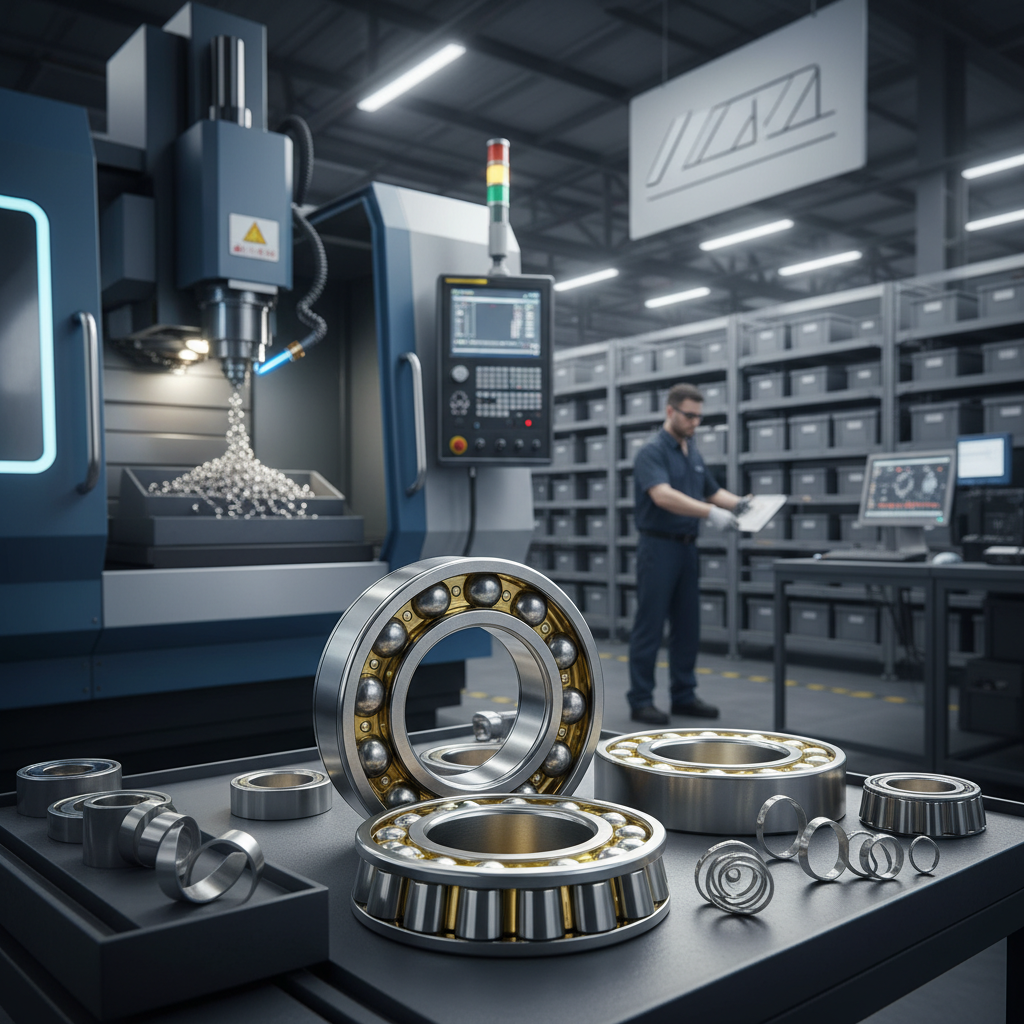
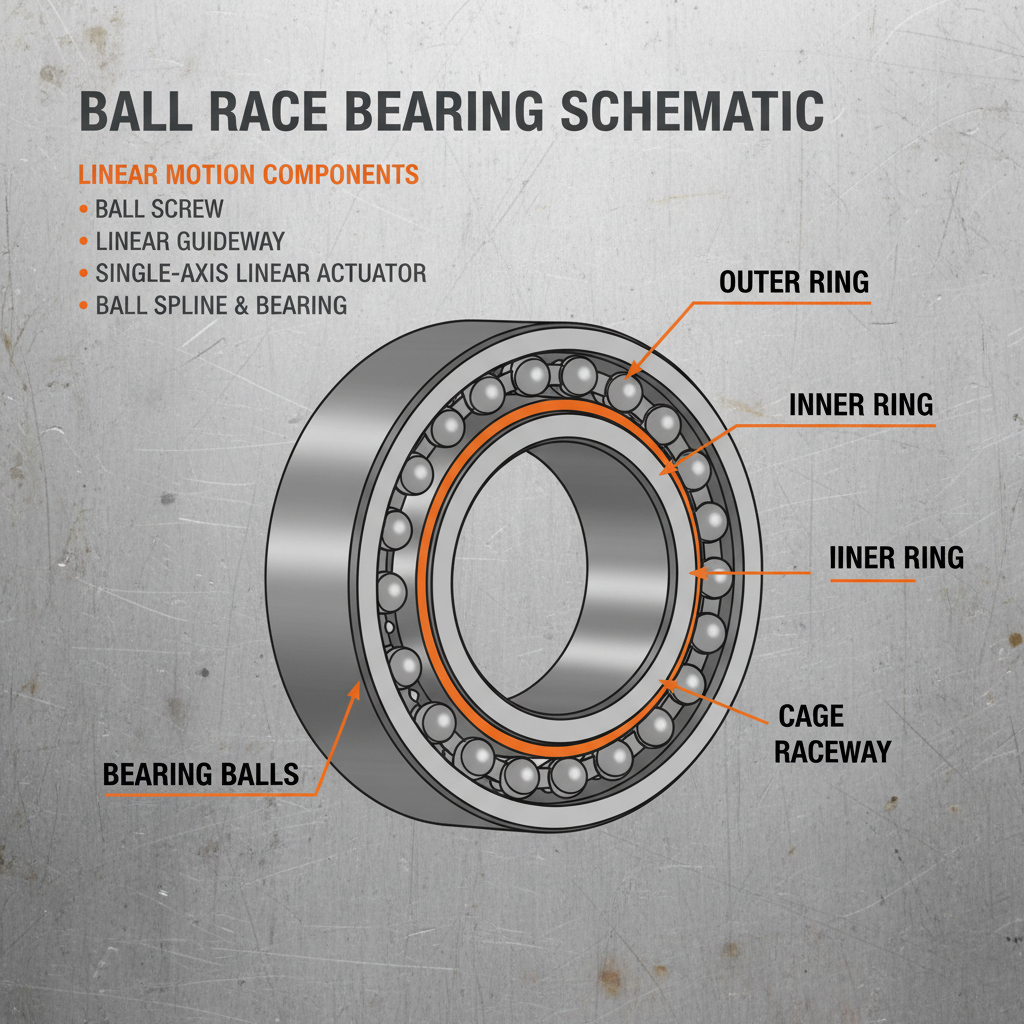
At its core, a bike bearing consists of an inner race, an outer race, and a set of rolling elements—usually balls—that allow for fluid rotation. In the context of modern cycling, most manufacturers have moved toward sealed cartridge designs. These integrated units protect the internal rolling elements from contaminants like road salt, mud, and water, which are the primary enemies of mechanical efficiency in bike bearings.
The precision of the race's curvature and the sphericity of the balls determine the "roll" of the bearing. Even a micron-level deviation can lead to increased friction or premature wear. By utilizing high-grade chrome steel or specialized alloys, manufacturers can ensure that the contact points remain stable under the dynamic loads experienced during high-speed descents or aggressive sprinting.
Material Science: Steel vs. Ceramic
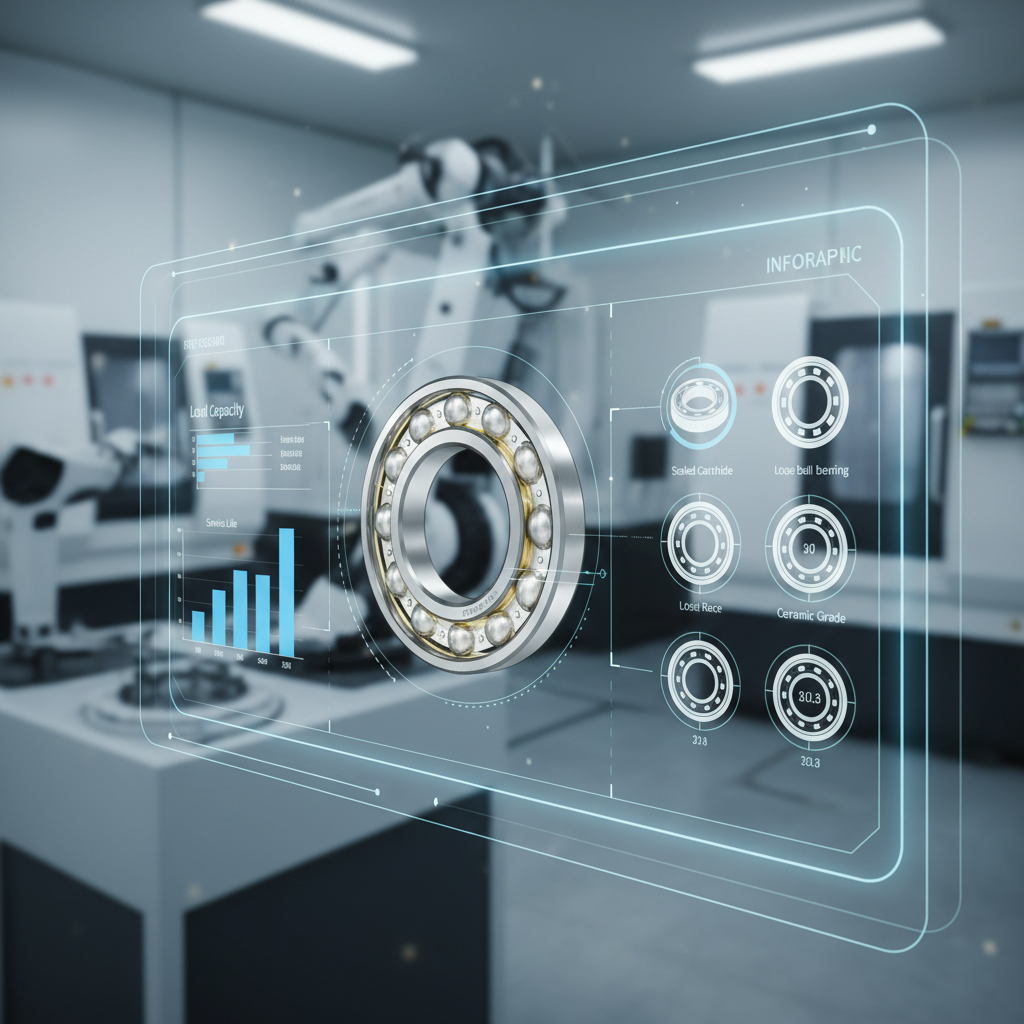
The choice of material for bike bearings drastically alters the performance profile of a bicycle. Traditional Grade 25 chrome steel is the industry standard due to its cost-effectiveness and reliability. However, for competitive athletes, silicon nitride (ceramic) balls offer a significant advantage. Ceramic is harder than steel, smoother, and significantly lighter, which reduces the rotational inertia of the wheels.
Beyond speed, material science addresses the issue of corrosion. Steel bearings are susceptible to rust when exposed to moisture, which creates "brinelling" or pitting on the races. Hybrid bearings, which combine steel races with ceramic balls, provide a middle ground, offering superior corrosion resistance and lower thermal expansion, meaning they maintain their tight tolerances even during prolonged high-friction intervals.
Finally, the role of the seal cannot be overlooked. Modern bike bearings utilize a variety of seal materials, from low-friction rubber to high-density polymers. The goal is to create a barrier that keeps the lubricant inside while keeping the environment outside, balancing the trade-off between ultimate seal protection and minimal rolling resistance.
Key Performance Factors for Durability
Durability in bike bearings is primarily governed by the quality of the lubrication. Grease serves not only to reduce friction but also to act as a secondary seal. High-performance lubricants are formulated to resist "wash-out" during heavy rain, ensuring that the rolling elements remain coated and protected from metal-on-metal contact.
Load distribution is another critical factor. In areas like the bottom bracket, bike bearings must handle combined radial and axial loads. If the bearing is not perfectly aligned within the frame, it can lead to edge-loading, where the force is concentrated on a small portion of the race, causing rapid degradation and a "gritty" feeling during pedaling.
Lastly, the tolerance grade (ABEC rating) defines the precision of the bearing. While higher ABEC ratings are often marketed as "faster," in the real world of bike bearings, the seal quality and lubricant type often have a more tangible impact on longevity than the minute differences in dimensional accuracy.
Global Application and Load Dynamics
Across different cycling disciplines, the application of bike bearings varies significantly. In professional road racing, the focus is on minimizing friction to save precious watts. Conversely, in downhill mountain biking, the priority shifts to impact resistance and extreme sealing, as bearings are subjected to violent shocks and constant exposure to mud and pressure washers.
In urban environments, particularly in European and Asian cities where e-bikes are dominant, the load dynamics have shifted. The added weight of batteries and the torque from electric motors put unprecedented stress on hub and bottom bracket bike bearings, leading to a trend toward oversized bearings with larger contact surfaces to distribute the load.
Performance Efficiency of Different Bike Bearing Types
Long-Term Value of Precision Engineering
Investing in high-precision bike bearings provides long-term economic and mechanical value. While the initial cost of a ceramic or high-grade steel bearing is higher, the reduction in wear and tear on the surrounding frame components—such as the bottom bracket shell or the hub body—prevents expensive frame replacements and reduces the frequency of service visits.
Furthermore, the reliability of superior bearings enhances rider safety. A seized bearing in a headset or a wheel hub during a high-speed descent can lead to catastrophic loss of control. By choosing components engineered to ISO standards, riders gain peace of mind, knowing that their equipment can handle the stresses of the road without unpredictable failure.
Future Trends in Friction Reduction
The future of bike bearings is moving toward "smart" materials and sustainable manufacturing. We are seeing the emergence of nano-coatings, such as Diamond-Like Carbon (DLC), which are applied to the races to practically eliminate friction and provide a surface that is nearly impervious to wear. These innovations are allowing for narrower profiles without sacrificing load capacity.
Sustainability is also playing a role. The industry is exploring bio-based lubricants that maintain high viscosity and water resistance without the environmental impact of petroleum-based greases. This shift ensures that the maintenance of bike bearings becomes a greener process, aligning with the overall eco-friendly ethos of the cycling community.
Additionally, the integration of additive manufacturing (3D printing) for bearing races is in the experimental stage. This could allow for custom-geometry bearings tailored to specific frame tolerances, virtually eliminating the installation gaps that often lead to premature bearing failure in non-standard frames.
Common Maintenance Challenges and Solutions
The most common challenge with bike bearings is contamination. Even the best seals can eventually fail, allowing fine grit to enter the race. The solution is a proactive maintenance schedule: regularly checking for "play" (lateral movement) and using a torque wrench during installation to ensure the bearings are seated firmly without being crushed.
Another frequent issue is over-greasing or using the wrong type of lubricant. Using a heavy-duty industrial grease in a high-speed hub can actually increase rolling resistance, acting as a "brake" on the balls. Professional mechanics recommend using a thin, high-quality synthetic oil for racing and a thicker, water-resistant grease for commuting or off-road use.
Finally, improper installation remains a leading cause of failure. Forcing a bearing into a seat using a hammer instead of a dedicated press can cause microscopic dents in the race. Using precision tools ensures that the bike bearings remain perfectly concentric, maximizing their operational lifespan.
Comparative Analysis of Bike Bearing Maintenance and Life Cycles
| Bearing Material |
Expected Lifespan (km) |
Maintenance Interval |
Resistance Score (1-10) |
| Standard Chrome Steel |
3,000 - 5,000 |
Every 1,000 km |
6 |
| Hybrid Ceramic |
8,000 - 12,000 |
Every 3,000 km |
9 |
| Full Ceramic |
15,000+ |
Every 5,000 km |
10 |
| Stainless Steel |
5,000 - 7,000 |
Every 2,000 km |
7 |
| Polymer-Race |
2,000 - 4,000 |
Every 800 km |
5 |
| DLC Coated Steel |
10,000 - 15,000 |
Every 4,000 km |
9 |
FAQS
Replacement frequency depends on the bearing type and riding conditions. Standard steel bearings in wet or muddy environments may need replacing every 1-2 seasons. However, high-quality ceramic bike bearings can last several years if properly maintained. A good rule of thumb is to replace them as soon as you feel "notchy" rotation or observe lateral play in the component.
Yes, generally they are. Ceramic balls are harder and smoother than steel, which reduces rolling resistance. Additionally, ceramic balls are lighter, reducing the rotational mass of your wheels. While the difference might be negligible for a casual commuter, for professional racers, those few watts of saved energy can be the difference between winning and losing.
Technically, yes, but it is difficult. You must carefully remove the rubber seal without damaging it, clean out the old grease with a solvent, and apply new lubricant. However, for most riders, the cost of labor outweighs the cost of replacing the bearing. We usually recommend replacing sealed units once they become contaminated to ensure optimal performance.
ABEC is a standard that measures the dimensional tolerance of a bearing. A higher ABEC rating (like ABEC 7 or 9) means the bearing is manufactured to tighter tolerances, which theoretically allows for smoother rotation at very high speeds. In cycling, however, the quality of the seal and the lubricant often have a bigger impact on real-world feel than the ABEC rating itself.
High-pressure washers can force water and soap past the seals of your bike bearings, emulsifying the internal grease and pushing in tiny particles of dirt. This creates a "gritty" sensation. To prevent this, avoid spraying water directly into hubs, the bottom bracket, or the headset; instead, use a low-pressure hose and a soft brush.
For most commuters, standard high-quality steel bearings are sufficient. However, if you live in a coastal city with salty air or ride in heavy rain, hybrid bearings (ceramic balls with steel races) are a great investment. They offer significantly better corrosion resistance than full steel units, reducing the frequency of replacements and ensuring a smoother ride over the long term.
Conclusion
In summary, bike bearings are fundamental to the efficiency, safety, and longevity of any bicycle. From the basic steel components found in entry-level bikes to the ultra-low-friction ceramic systems used in professional racing, the quality of these components dictates how much energy is wasted and how often a bike requires maintenance. By understanding the trade-offs between materials, the importance of proper sealing, and the necessity of correct installation, riders can maximize their equipment's potential.
Looking forward, the integration of advanced coatings and sustainable lubricants will continue to push the boundaries of what is possible in friction reduction. Whether you are building a custom dream bike or maintaining a reliable commuter, prioritizing high-precision bearings is the most effective way to ensure a smooth, fast, and safe ride. For those seeking industry-leading precision and durability, we invite you to explore our professional range. Visit our website: www.yidibearings.com