When procurement managers evaluate the 6205 bearing price, they are often balancing the immediate cost against the long-term operational reliability of their machinery. In the high-precision world of rolling bearings and linear motion components, a price point is rarely just a number; it is a reflection of material grade, manufacturing tolerances, and the expected lifecycle under specific load conditions. For those operating in heavy-duty industrial automation, selecting a component based solely on the lowest quote can lead to premature failure and costly unplanned downtime.
The significance of this selection process extends beyond a single part. The 6205 bearing often serves as a critical support point within larger systems, including Ball Screw assemblies and Linear Modules. If the bearing quality is compromised to save on initial expenditure, the precision of the entire linear motion system is jeopardized. Understanding the correlation between price, precision grade (such as C3), and the environmental stresses of the factory floor is essential for maintaining a competitive edge in manufacturing efficiency.
This analysis moves beyond simple pricing lists to explore the technical drivers that influence cost and the strategic logic for sourcing high-performance transmission parts. By examining the intersection of material science and industrial application, buyers can move from a transactional purchasing model to a value-based strategy. For professional guidance on balancing performance and budget, exploring the 6205 bearing price allows for a more nuanced understanding of current market standards.


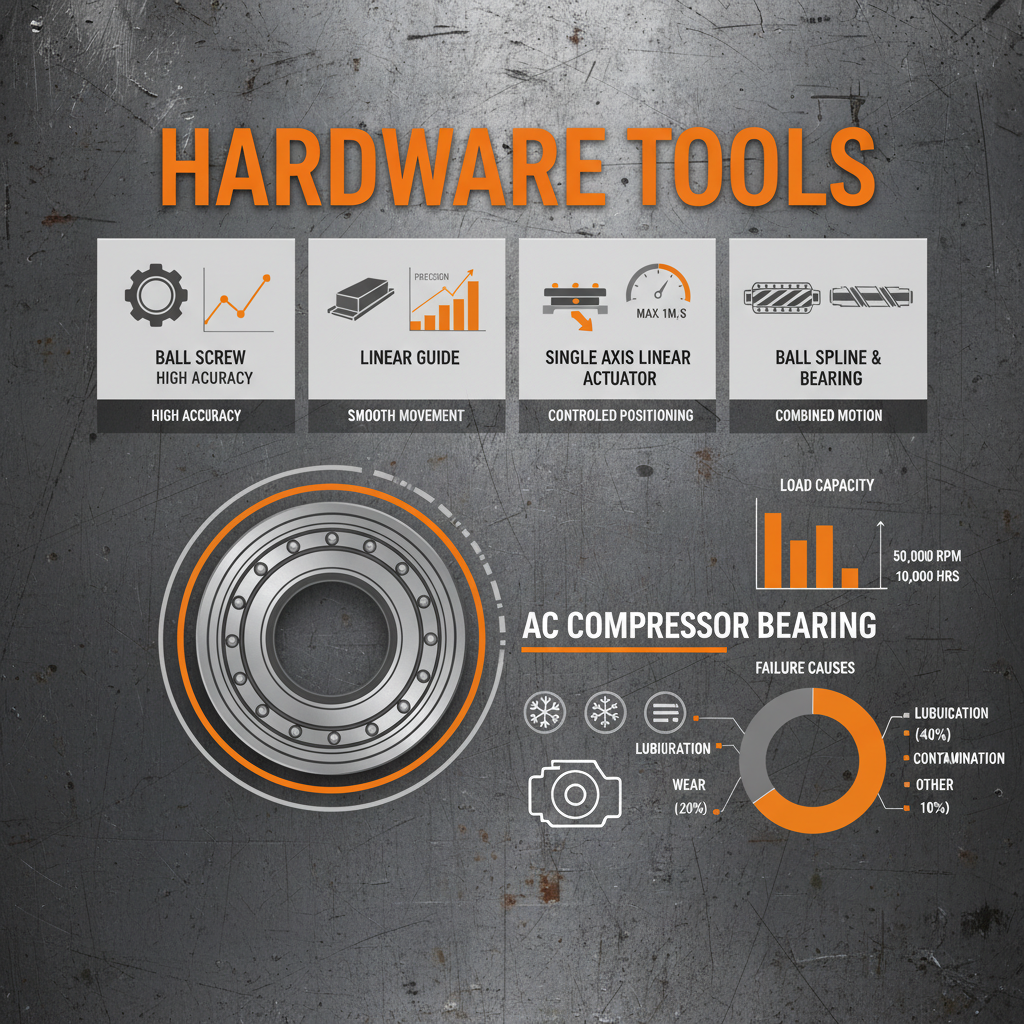
The 6205 bearing is a deep-groove ball bearing designed to handle both radial and axial loads, making it a versatile staple in the general equipment manufacturing sector. Its architecture consists of an inner ring, an outer ring, a set of rolling elements, and a cage that maintains the spacing between the balls. This specific configuration allows for low friction and high rotational speeds, which is critical when integrated into a Linear Module or a Ball Spline system where smooth motion is non-negotiable.
From a technical perspective, the 6205 designation refers to a specific set of dimensions that ensure compatibility across various global machinery standards. The precision of the raceway finish and the quality of the steel used in the rings directly determine the bearing's ability to maintain alignment under load. When these components are part of a larger intelligent manufacturing solution, the tolerance levels must be strictly controlled to prevent vibration and heat buildup.
The variance in 6205 bearing price is primarily driven by the grade of steel and the precision of the manufacturing process. High-carbon chromium steel is the standard, but variations in purity and heat treatment can lead to significant differences in fatigue life. Components produced with advanced equipment from Germany and Japan typically offer superior surface finishes, reducing the coefficient of friction and extending the interval between lubrication cycles.
The most critical cost driver is the internal clearance grade, such as C3. A C3-grade bearing provides a larger internal clearance than standard bearings, which is essential for applications involving thermal expansion. Choosing the correct clearance prevents the bearing from seizing at high operating temperatures, effectively shifting the value proposition from initial purchase price to total cost of ownership.
Additionally, the type of sealing—whether open, shielded (ZZ), or sealed (2RS)—affects the price and the application environment. Sealed bearings prevent contaminant ingress and retain lubricant, which is vital for medical-grade applications or dusty industrial environments. The integration of these features requires tighter quality control, which is reflected in the final procurement cost.
Evaluating a bearing based on its unit price ignores the impact of the replacement cycle. In a high-throughput production line, the cost of a single hour of downtime can far exceed the cost of a thousand premium bearings. Therefore, the real value lies in the "mean time between failures" (MTBF). By investing in higher precision components, companies can reduce the frequency of maintenance and improve the overall equipment effectiveness (OEE).
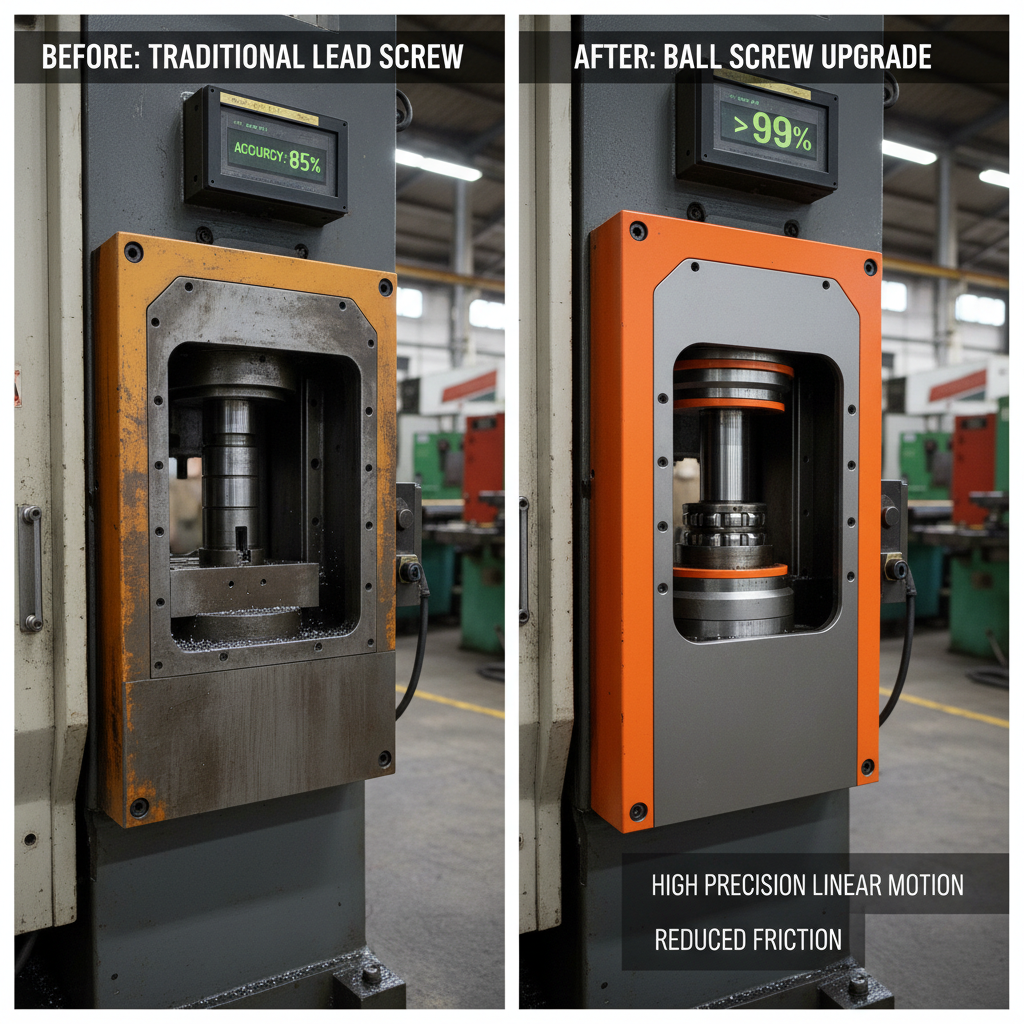
When 6205 bearings are paired with Linear Guides or Ball Screws, the synergy of precision is amplified. A high-quality bearing ensures that the linear actuator maintains its repeat positioning accuracy over millions of cycles. This reliability is particularly important for OEM and ODM customized services where the product must meet strict client specifications for longevity and performance stability.
The 6205 bearing is widely deployed in industrial automation, where it supports rotating shafts in electric motors, pumps, and conveyor systems. In these scenarios, the bearing must withstand constant radial pressure while maintaining a low noise profile. In a medium-sized belt slide table or an LDB14 linear module, the bearing's role is to ensure that the movement remains fluid and that the repeat positioning accuracy is not degraded by mechanical play.
Environmental conditions further dictate the choice of bearing. In food processing or medical equipment, FDA-certified materials or specialized lubricants are required to prevent contamination. Similarly, in high-speed CNC machinery, the thermal stability of the bearing is paramount. Those who ignore these conditions in favor of a lower price often face premature raceway wear and increased energy consumption due to higher friction.
The industry is moving toward "intelligent lubrication" and self-sensing bearings. By integrating sensors into the bearing housing, manufacturers can now monitor vibration and temperature in real-time, allowing for predictive maintenance. This shift transforms the bearing from a passive component into a data-providing asset, reducing the risk of catastrophic failure in critical infrastructure.
Material science is also evolving, with the introduction of hybrid ceramic balls. Ceramic elements are harder and lighter than steel, offering higher speed capabilities and reduced centrifugal force. While this increases the initial 6205 bearing price, the resulting increase in speed and reduction in heat generation provide a significant ROI for high-speed spindle applications.
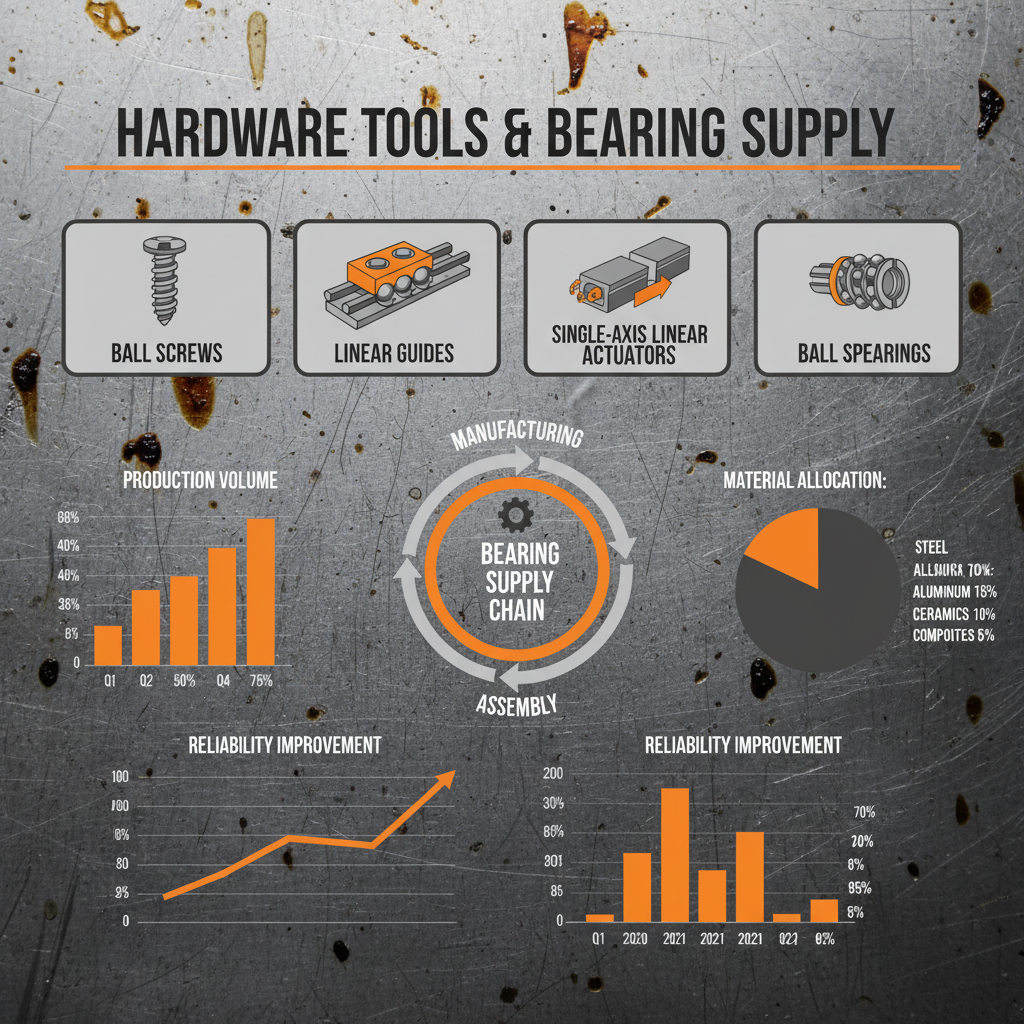
Furthermore, there is a growing trend toward sustainable manufacturing. The use of eco-friendly lubricants and the implementation of MES systems for digital production management allow factories to reduce waste and ensure that every component meets ISO 9001 standards. This digital transformation ensures that quality is consistent across batches, regardless of the production volume.
One of the most common challenges in sourcing is the "quality-price paradox," where buyers struggle to distinguish between a genuine high-precision bearing and a lower-grade imitation. This is why partnering with a professional factory that offers a one-stop selection service is critical. Verification of CE and RoHS certifications provides a baseline for safety and environmental compliance, but technical audits of the production line offer deeper assurance.
Another challenge is the management of lead times and supply chain volatility. By utilizing OEM/ODM customized services, companies can ensure that their specific requirements for clearance and sealing are met without relying on off-the-shelf products that may not perfectly fit their application. This customization reduces the need for secondary machining and installation adjustments.
To optimize procurement, buyers should focus on the "Cost per Million Revolutions." This metric considers the initial purchase price divided by the expected life of the bearing. A premium bearing with a 20% higher price but a 50% longer life is mathematically the more economical choice. This logic is essential for maintaining the economic benefits of advanced manufacturing technology.
| Application | Critical Factor | Recommended Grade | Value Driver |
|---|---|---|---|
| CNC Spindles | Precision | C3 / High Precision | Repeat Accuracy |
| Conveyor Belts | Durability | Standard / Sealed | Maintenance Gap |
| Medical Devices | Purity | FDA Certified | Safety Compliance |
| Electric Motors | Speed | Low Friction Steel | Energy Efficiency |
| Linear Modules | Alignment | High Rigidity | Smooth Motion |
| Heavy Machinery | Load Capacity | Reinforced Steel | Structural Life |
The price is mainly determined by the steel grade, precision tolerance (such as C3 clearance), sealing type (ZZ vs 2RS), and the manufacturing standards of the facility. High-precision bearings produced on German or Japanese equipment typically command a higher price due to their superior surface finish and longer operational life.
Choose C3 clearance when the bearing is expected to operate at high temperatures or in an environment where thermal expansion occurs. Standard clearance is suitable for ambient temperature operations. Using a standard bearing in a high-heat environment can lead to internal preload, causing the bearing to overheat and seize.
It is not recommended. High-precision linear modules, such as those using ball screws or linear guides, rely on minimal play to maintain positioning accuracy. A low-cost bearing with wider tolerances will introduce vibration and "slop" into the system, degrading the precision of the entire device and increasing wear on other components.
Sealed bearings (2RS) provide a better barrier against dust, moisture, and contaminants, while also retaining grease more effectively. Shielded bearings (ZZ) are better for higher speeds and higher temperatures because they generate less friction than rubber seals, but they offer less protection in dirty environments.
In a Ball Spline system, 6205 bearings often serve as the supporting elements that maintain the axial alignment of the spline shaft. Their ability to handle radial loads ensures that the spline can transmit torque efficiently without experiencing excessive deflection, which is critical for maintaining the overall rigidity of the motion assembly.
Professional manufacturers like Hebei yidi import and export trading company ltd provide comprehensive OEM and ODM services. They offer one-stop selection for linear motion parts, including customized ball screws and bearings, ensuring that the components are tailored to the specific load and speed requirements of your industrial application.
Navigating the complexities of the 6205 bearing price requires a shift in perspective from initial cost to total lifecycle value. Whether utilized in a simple motor or a sophisticated linear module, the quality of the bearing dictates the reliability of the entire mechanical chain. By prioritizing precision grades and material integrity, manufacturers can significantly reduce downtime and enhance the performance of their automated systems.
For organizations seeking to optimize their linear motion components, partnering with a technical expert is the most effective path to success. By integrating high-quality bearings, ball screws, and linear guides, you can achieve a higher level of operational efficiency. For more information on intelligent manufacturing solutions and component selection, we invite you to explore the resources available at https://www.yidibearings.com.