Application

9cr18 Stainless Steel Ball Screw Used For Seawater

We offer an exclusive solution tailored to your specific needs. Each component undergoes strict quality control, ensuring tight tolerances and reliable load-bearing capacity. Our ball screw guide rails are available in various sizes, lengths, and configurations to perfectly match your design requirements.By choosing our solution, you benefit from reduced maintenance costs, improved machine efficiency, and higher production accuracy. Our expert engineering team also provides full technical support, assisting with installation, customization, and after-sales service.Whether your focus is on speed, load capacity, or ultra-precise movement, our ball screw guide rail systems deliver the reliability and performance your business demands. Choose a precise and exclusive solution today to enhance the productivity and quality of your equipment.

9Cr18 Stainless Steel ball screw


9Cr18 Stainless Steel: Overview and Characteristics


1. Composition:


- Carbon (C): ~0.90–1.00%


High carbon content enhances hardness and edge retention.


- Chromium (Cr): ~17–19%


Provides corrosion resistance and contributes to hardness.


- Other elements may include small amounts of manganese (Mn), silicon (Si), and molybdenum (Mo) for stability and processing.


2. Properties:


- Hardness: Achieves HRC 56-59 after heat treatment, suitable for cutting tools.


- Corrosion Resistance: Moderate, typical of high-carbon stainless steels (less than lower-carbon grades like 304 but better than tool steels like D2).


- Edge Retention: Excellent due to high carbon and proper heat treatment.


- Toughness: Lower than steels with lower carbon (e.g., 8Cr13MoV), making it more brittle.


3. Applications:


- Knives: Kitchen knives, pocket knives, and outdoor tools (similar to 440C).


- Industrial Blades: Used in cutting machinery where wear resistance is critical.


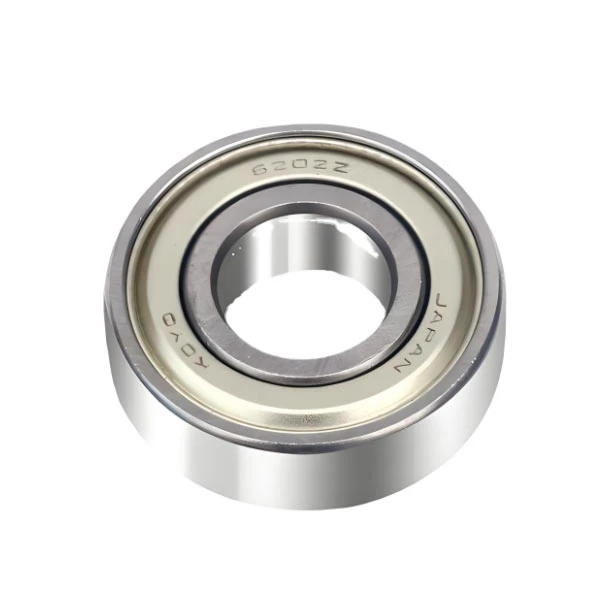
- Bearings and Valves: Occasionally used in high-wear components.


4. Comparison to Similar Steels:


- vs. 440C (US): Nearly identical in composition and performance. 9Cr18 is sometimes considered China's equivalent.


- vs. AUS-10 (Japan): Slightly lower corrosion resistance but comparable edge retention.


- vs. VG-10: Less expensive but with lower toughness and stain resistance.


5. Heat Treatment:


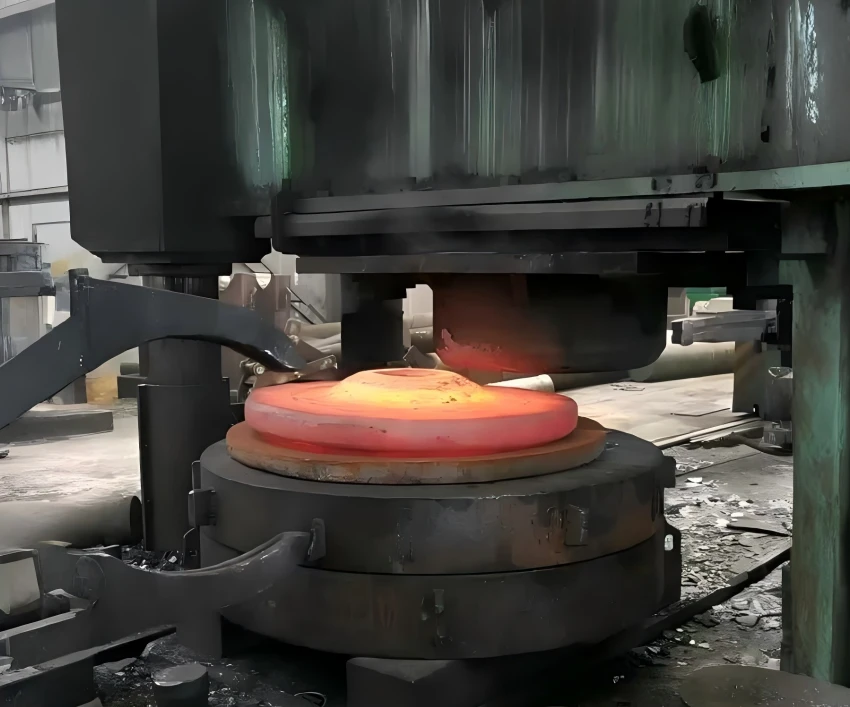
- Requires precise hardening (typically around 1040–1060°C) followed by tempering (150–200°C) to balance hardness and brittleness.


- Improper treatment can lead to chipping or reduced durability.


6. Maintenance Tips:


- Sharpening: Use diamond or ceramic sharpeners due to high hardness.


- Corrosion Care: Dry and oil blades after exposure to moisture to prevent rust.


- Avoid Abuse: Prone to chipping if used on hard materials (e.g., prying).


7. Pros and Cons:


- Pros: Excellent edge retention, good wear resistance, widely available.


- Cons: Less tough than some alternatives, requires maintenance to prevent rust.


Conclusion:


9Cr18 is a cost-effective choice for high-performance blades where edge retention is prioritized over toughness. Proper heat treatment and care are key to maximizing its utility.


To prevent corrosion and rusting by seawater, stainless steel ball screws are an excellent solution. They are chrome-plated on the surface to achieve a perfect anti-rust effect

 

9cr18 Stainless Steel Ball Screw Used For Seawater

Make An Appointment With Expert To Demonstrate The Product!
If you have any please contact us, we are happy to serve you, or you can call our toll-free number directly.
Tapered Roller Bearing

Tapered Roller Bearing

Rocket Pinion Gear And Rack

Rocket Pinion Gear And Rack

Follow Our Blog

Choosing Reliable Ball Screw Manufacturers for Precision Motion Control

In the realm of precision motion control, ball screw manufacturers play a crucial role. These components are integral to countless industrial applications, converting rotational motion into linear movement with exceptional efficiency and accuracy. Selecting the right manufacturer is paramount for ensuring optimal performance, reliability, and longevity of your machinery. This article explores the key considerations when choosing a ball screw manufacturer, the benefits of high-quality ball screws, and how Yidi Bearings stands out in this competitive landscape. We will delve into the features that define superior ball screws and discuss how these components contribute to overall system efficiency. Reputable ball screw manufacturers distinguish themselves through several key characteristics. These include advanced manufacturing capabilities, rigorous quality control processes, a commitment to material science, and the ability to provide custom solutions.
Feb 02 . 26

Optimizing AC System Performance Through Superior Ac Compressor Bearing Selection

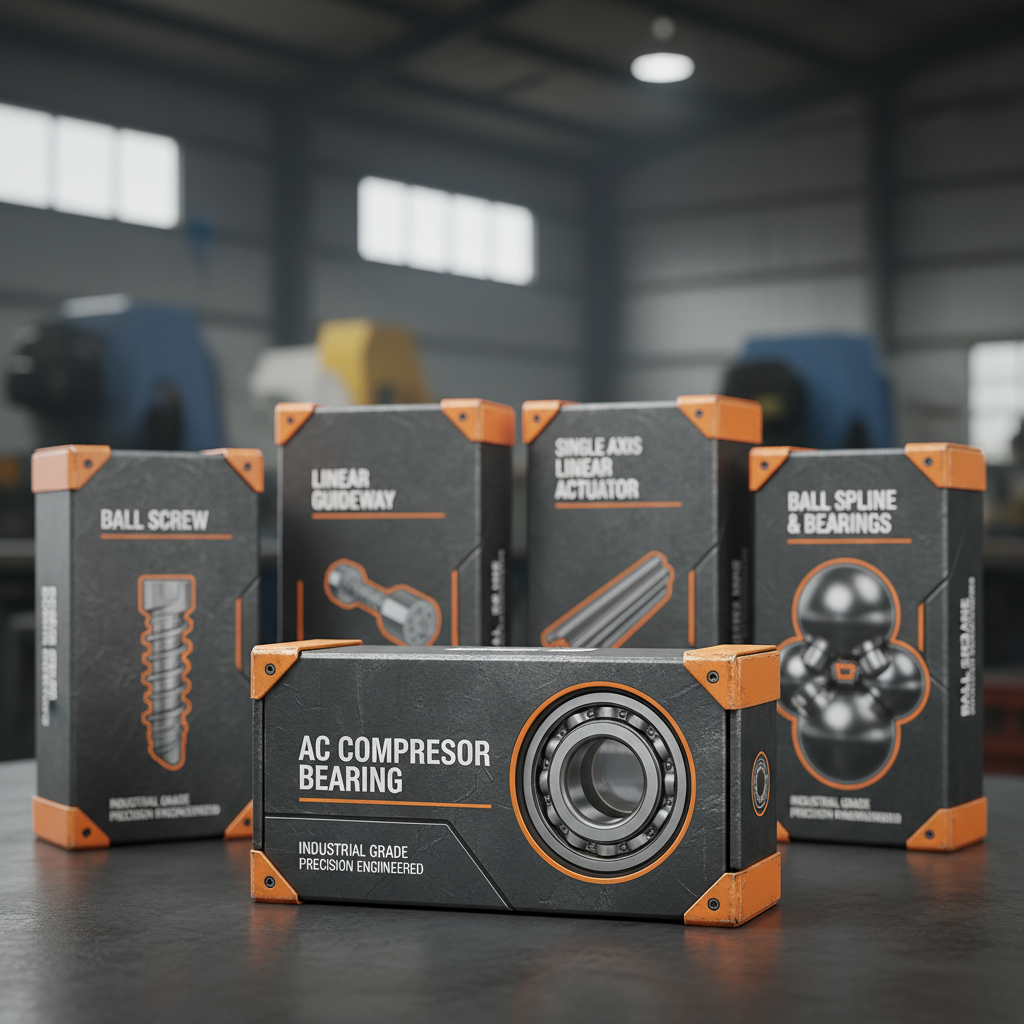
The ac compressor bearing is a critical component within an air conditioning system, directly impacting its efficiency, longevity, and overall performance. This seemingly small part bears a significant load and demands careful consideration during selection and maintenance. Choosing the right bearing type and understanding its specifications are vital for preventing costly repairs and ensuring reliable operation. At Yidi Bearings, we specialize in providing high-quality ac compressor bearings engineered for optimal performance. This article will delve into the essential aspects of ac compressor bearings, covering types, applications, selection criteria, and maintenance tips. AC compressor bearings primarily fall into two categories: ball bearings and roller bearings. Ball bearings are widely used due to their lower cost and suitability for high-speed applications. However, they have a smaller contact area, which can limit their load-carrying capacity compared to roller bearings. Roller bearings, specifically cylindrical roller bearings, offer superior load-carrying capacity, making them ideal for compressors handling heavier loads and experiencing significant shock. Choosing the correct ac compressor bearing is crucial for optimal performance and longevity. Several factors need careful evaluation. First, consider the compressor type (rotary, scroll, reciprocating) and its load requirements.
Mar 03 . 26

Understanding Rack and Pinion Systems What is Rack and Pinion Used For and Applications

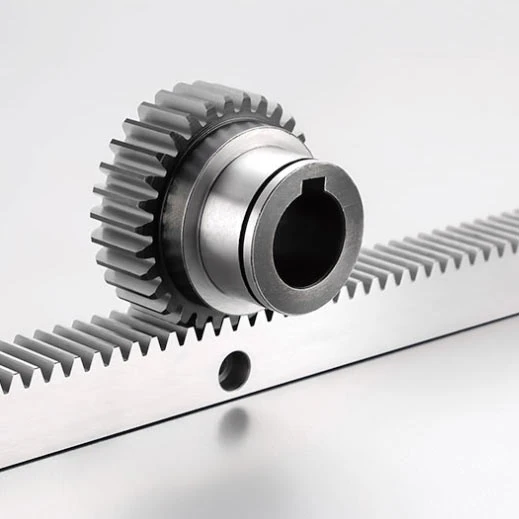
The rack and pinion is a deceptively simple, yet incredibly versatile mechanical system used to convert rotational motion into linear motion. This principle finds applications in a surprisingly wide range of industries, from automotive steering systems to industrial machinery. Understanding how a rack and pinion system works and its various applications is crucial for engineers, mechanics, and anyone involved in these fields. This article delves into the intricacies of rack and pinion systems, exploring their components, working principles, common applications, and advantages. At its heart, a rack and pinion system consists of two main parts: the rack and the pinion. The rack is a linear gear – a flat, toothed bar. The pinion is a circular gear that meshes with the teeth of the rack. When the pinion is rotated, its teeth engage with the rack, causing the rack to move linearly. The materials used for both components vary based on the application, but commonly include steel, brass, and plastic. The precision of the teeth is paramount for smooth and efficient operation. Quality rack and pinion gears are vital for consistent performance.
Feb 02 . 26

If you are interested in our products, you can choose to leave your information here, and we will be in touch with you shortly.


3_3ricon1-webp17404468391174113810811 819_2025032815201169958.png

If you are interested in our products, you can choose to leave your information here, and we will be in touch with you shortly.