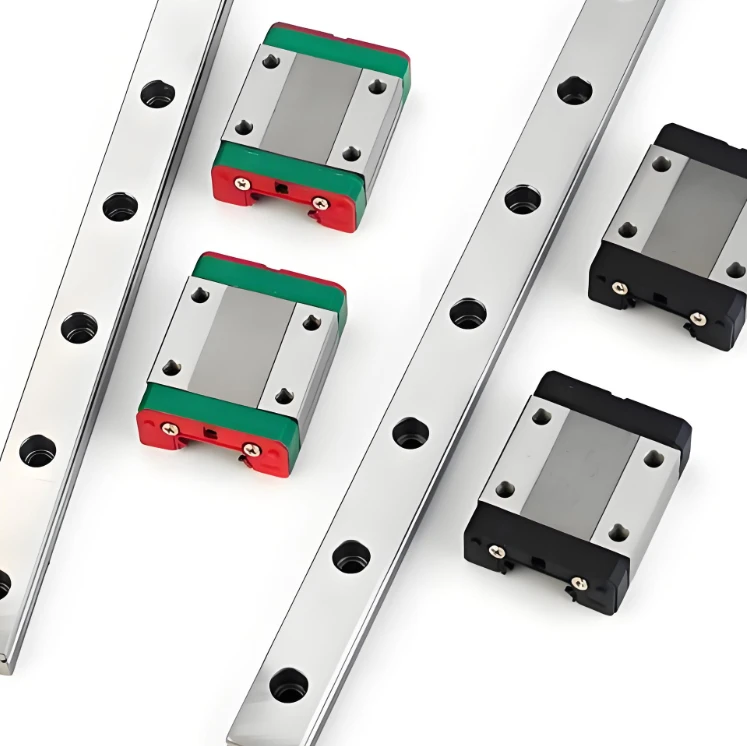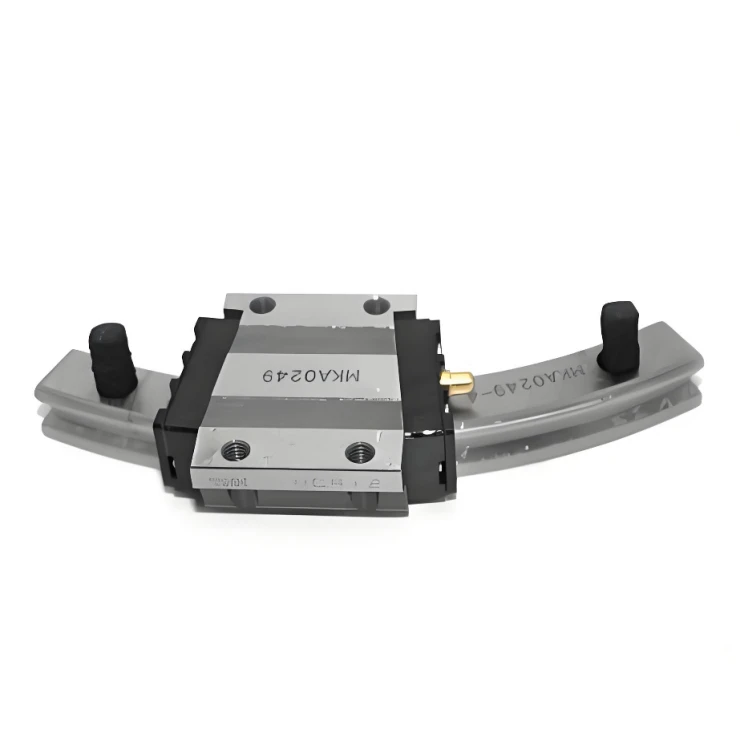
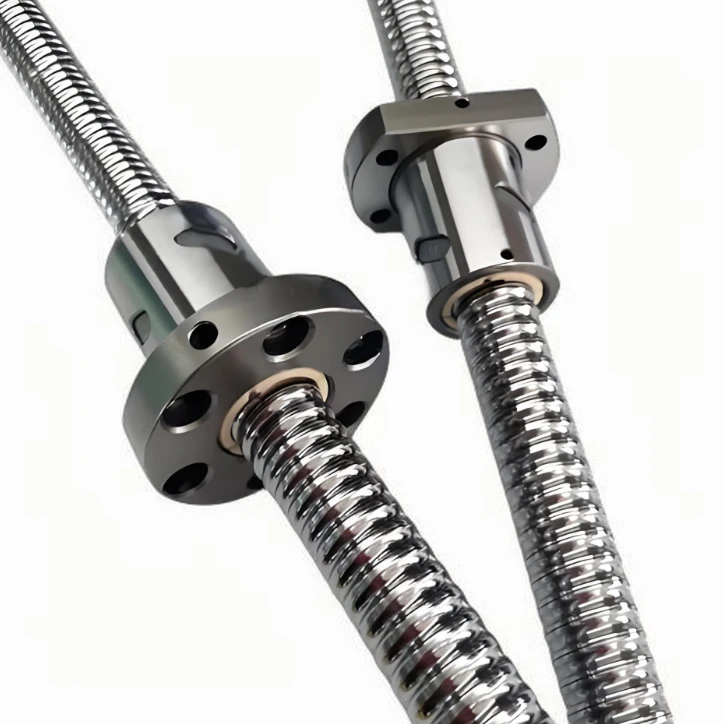
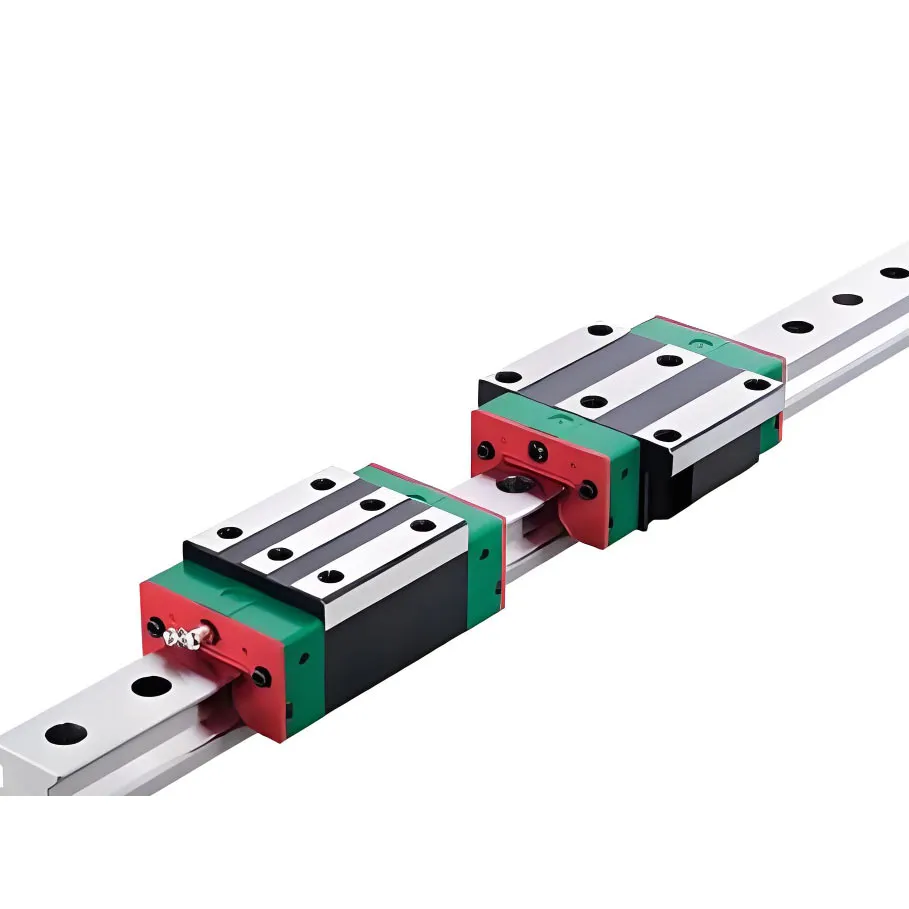
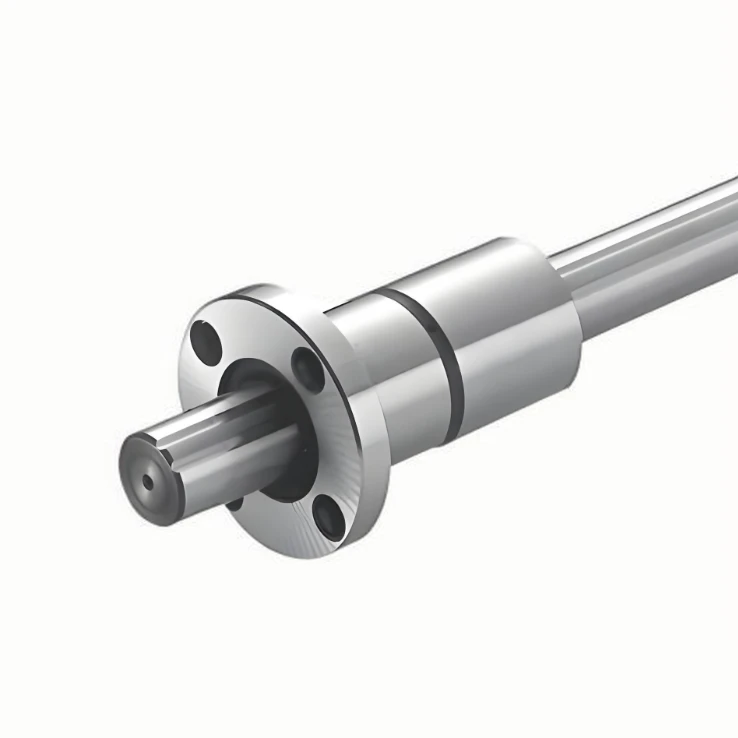
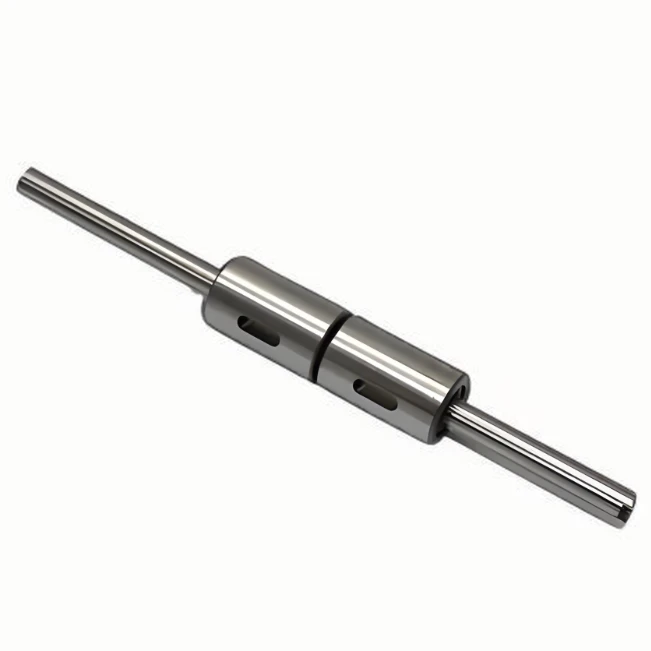
Precision Motion Solutions for Ball Screws in Austria

Empowering Austrian high-end machinery with world-class linear motion technology and industrial-grade reliability.

The Industrial Landscape of Linear Motion in Austria

Analyzing the synergy between Alpine engineering precision and modern motion components.

Austria's manufacturing sector is characterized by a strong emphasis on "Hidden Champions"—small to medium-sized enterprises that lead the world in specialized machinery. In this environment, the demand for linear guides is driven by the need for extreme accuracy in tool making and alpine-specific industrial applications.

Due to the varying climatic conditions across Austria, from the humid valleys to the freezing Alpine heights, materials used in bearings must offer exceptional corrosion resistance and thermal stability to prevent premature wear in precision CNC machines.

The Austrian market currently prioritizes sustainable, energy-efficient motion. There is a significant shift toward reducing friction losses through advanced lubrication systems and high-precision linear modules to meet strict EU energy regulations.
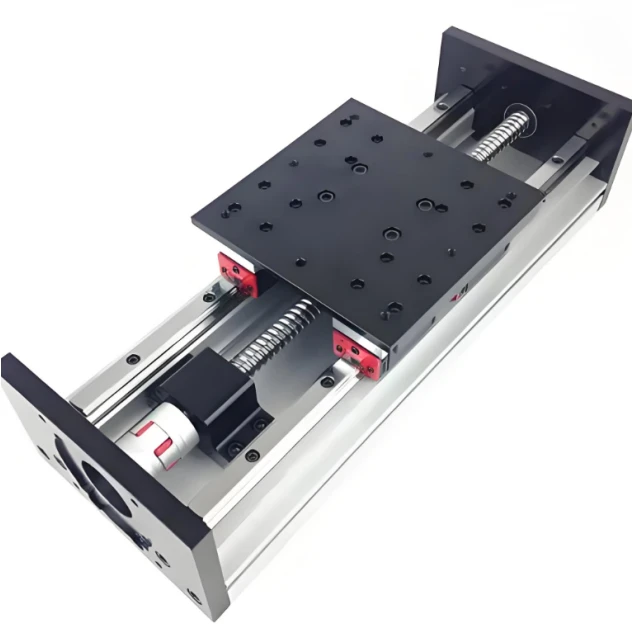
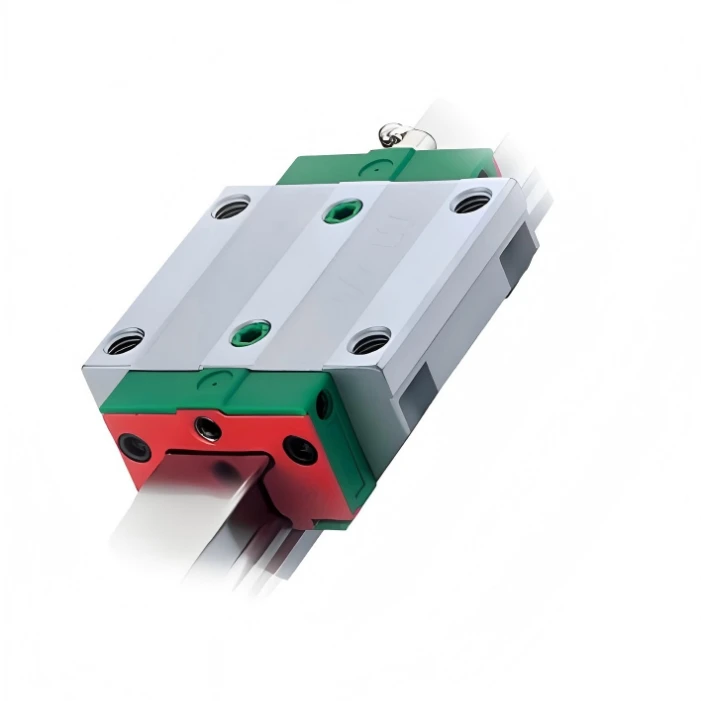
Evolution of Motion Control in the Austrian Market

From traditional mechanical guides to intelligent, digitized linear systems.

Market Development History

During the late 20th century, Austrian machinery relied heavily on traditional lubricated slideways. The transition began in the 1990s when the adoption of recirculating bearings allowed for higher speeds and reduced maintenance cycles in automotive component production.

Between 2000 and 2015, the industry saw a massive migration toward integrated systems. The introduction of high-load ball splines enabled more complex rotational-linear combined movements, essential for the evolving robotics sector in Vienna and Graz.

Since 2016, the focus has shifted toward "Industry 4.0." The integration of sensors into linear components has turned passive hardware into active data sources, allowing Austrian factories to implement predictive maintenance for their motion systems.

Future Development Trends

Miniaturization of High-Load Components

Driven by medical technology and micro-electronics, there is a growing trend toward smaller yet stronger motion components that maintain micron-level precision.

Sustainable Friction Materials

Research is moving toward lubricant-free materials and ceramic hybrids to reduce environmental impact and eliminate oil contamination in clean-room environments.

AI-Driven Dynamic Adjustment

Future systems will utilize AI to adjust the preload of linear components in real-time, compensating for thermal expansion and wear automatically.

Future Trends and Strategic Outlook for Motion Control

Anticipating the next leap in industrial precision and automation efficiency.

IoT Integration
Incorporating smart sensors into linear modules for real-time wear monitoring and automated diagnostics.
Carbon Neutrality
Reducing the carbon footprint of steel production for bearings and implementing circular economy recycling.
Hybrid Materials
Combining ceramic balls with steel races to increase longevity and high-speed performance in extreme environments.
Ultra-Precision
Advancing toward sub-micron tolerances to support the next generation of semiconductor lithography tools.

Industry Outlook

The projection for the next 3-5 years suggests that the Austrian motion control market will see a surge in demand for integrated linear modules. As the region transitions toward fully autonomous factories, the need for components that can self-diagnose and signal for maintenance will become the standard.

Furthermore, the synergy between traditional high-quality Austrian mechanical engineering and global supply chain efficiency will drive the adoption of modular designs, allowing for faster machine re-configuration and shorter time-to-market for industrial equipment.

Localized Application Scenarios in Austria

Real-world deployment of high-precision motion components in diverse Austrian sectors.

01. Alpine Precision Tooling

Utilizing high-stiffness linear guides in CNC milling machines used by Alpine toolmakers to achieve extreme surface finishes on complex geometries.

02. Automotive Parts Manufacturing

Integrating high-speed ball screws into robotic assembly lines in Lower Austria to ensure rapid and accurate positioning of automotive components.

03. Pharmaceutical Packaging

Implementing clean-room grade linear modules for precise dosing and filling systems in the pharmaceutical hubs of Vienna.

04. Heavy Industrial Machinery

Deploying heavy-duty bearings in the large-scale forging and casting equipment typical of Austrian heavy industry.

05. Automation in Logistics

Applying ball splines in automated sorting systems to handle multi-axis movements for high-efficiency warehouse logistics.

Brand Story

Global Development History of Hebei Yidi Import and Export Trade Co., Ltd.

Founding Vision

Established with a mission to bridge the gap between high-performance manufacturing and global accessibility, focusing on solving precision gaps in linear motion.

Technical Specialization

Developed deep expertise in materials science to overcome the common pain point of premature wear in high-load industrial environments.

Global Expansion

Expanded operations to Europe, tailoring motion solutions to meet the rigorous quality standards of the DACH region and beyond.

Quality Standardization

Implemented a strict quality control system ensuring every component meets international precision tolerances for critical machinery.

Innovation Future

Currently investing in smart-motion technology to empower the next generation of autonomous industrial systems worldwide.

Frequently Asked Questions in the Austrian Market

Expert answers to common technical challenges in linear motion.

How to choose the right linear guides for high-precision CNC machines in Austria?

Selection should be based on the load capacity, required accuracy grade, and environmental factors such as humidity. For Austrian CNC tools, we recommend high-rigidity rails with specialized coatings to resist oxidation.

What is the average lifespan of precision ball screws in heavy-duty industrial use?

Lifespan varies by load and lubrication. With a proper maintenance schedule and high-grade steel, our ball screws are designed to maintain precision over millions of cycles under rated loads.

Can ball splines replace traditional linear guides in multi-axis robotics?

Yes, ball splines are ideal when you need both linear motion and torque transmission in a compact space, offering a significant advantage in complex robotic arm joints.

How do linear modules improve efficiency in pharmaceutical packaging lines?

Linear modules integrate the drive, guide, and motor into one unit, reducing assembly time and ensuring perfectly synchronized motion, which is critical for high-speed filling processes.

What maintenance is required for industrial bearings in cold Alpine environments?

It is essential to use low-temperature lubricants to prevent grease thickening. Periodic inspection for condensation and moisture ingress is recommended to avoid corrosion.

Are your linear motion products compliant with EU industrial safety standards?

Absolutely. All our products are manufactured to meet and exceed international standards, ensuring seamless integration into machinery operated within the EU and Austria.

Get Expert Motion Consultation

Ready to optimize your machinery? Contact our technical team for customized motion solutions tailored to the industrial needs of Austria.

Contact Us Now

If you are interested in our products, you can choose to leave your information here, and we will be in touch with you shortly.


3_3ricon1-webp17404468391174113810811 819_2025032815201169958.png

If you are interested in our products, you can choose to leave your information here, and we will be in touch with you shortly.