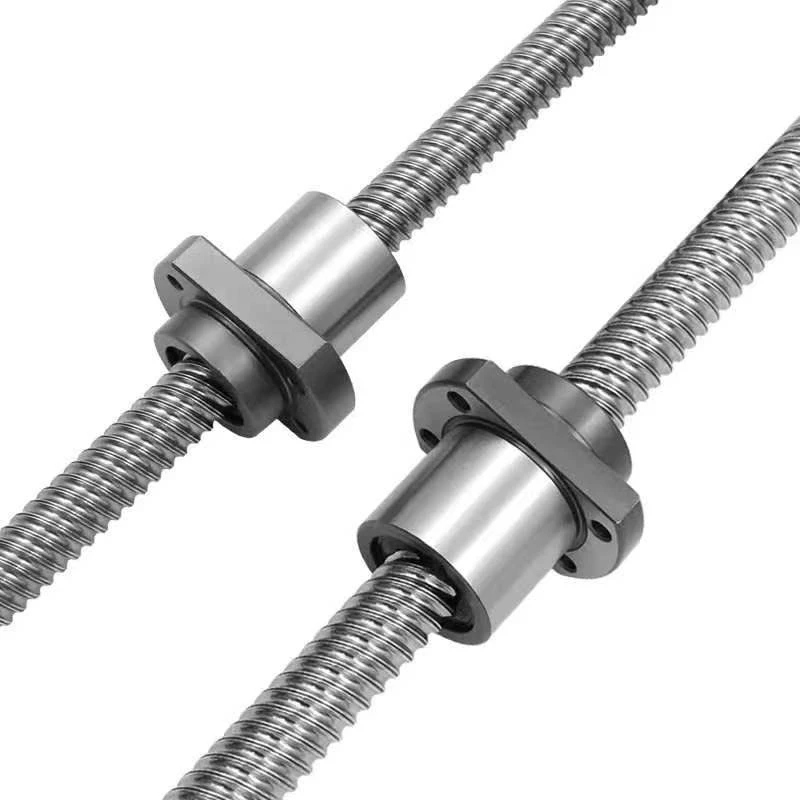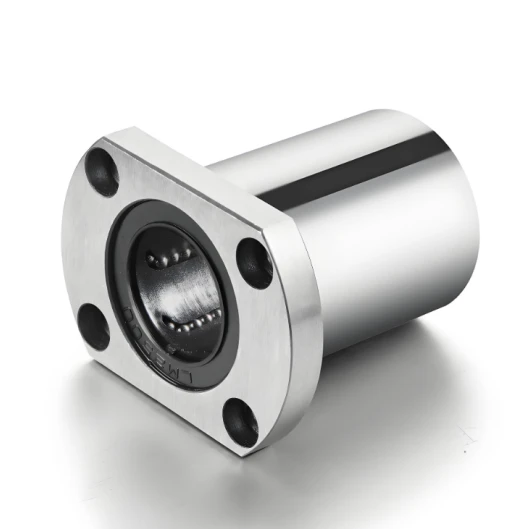
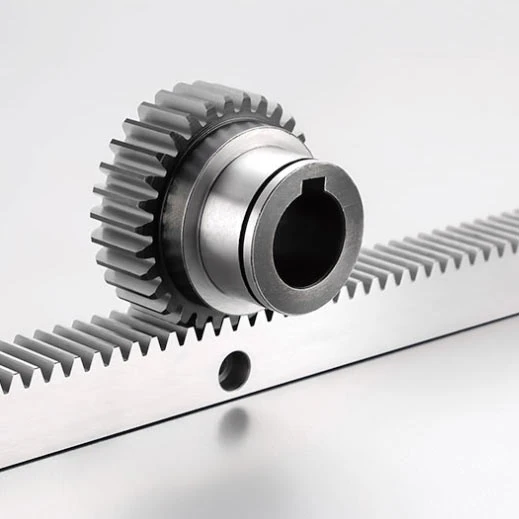
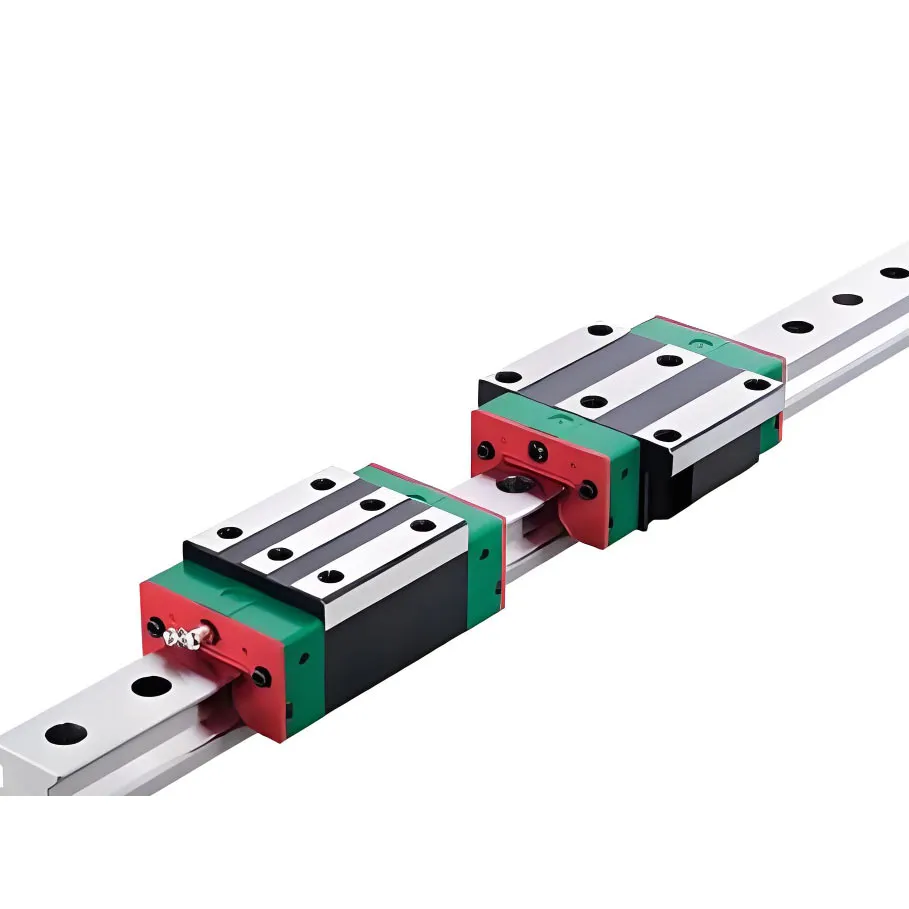
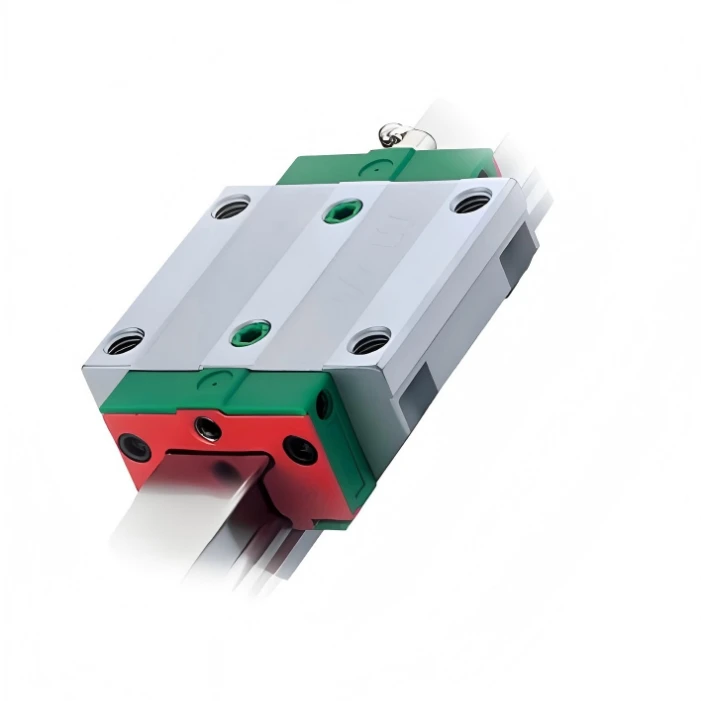
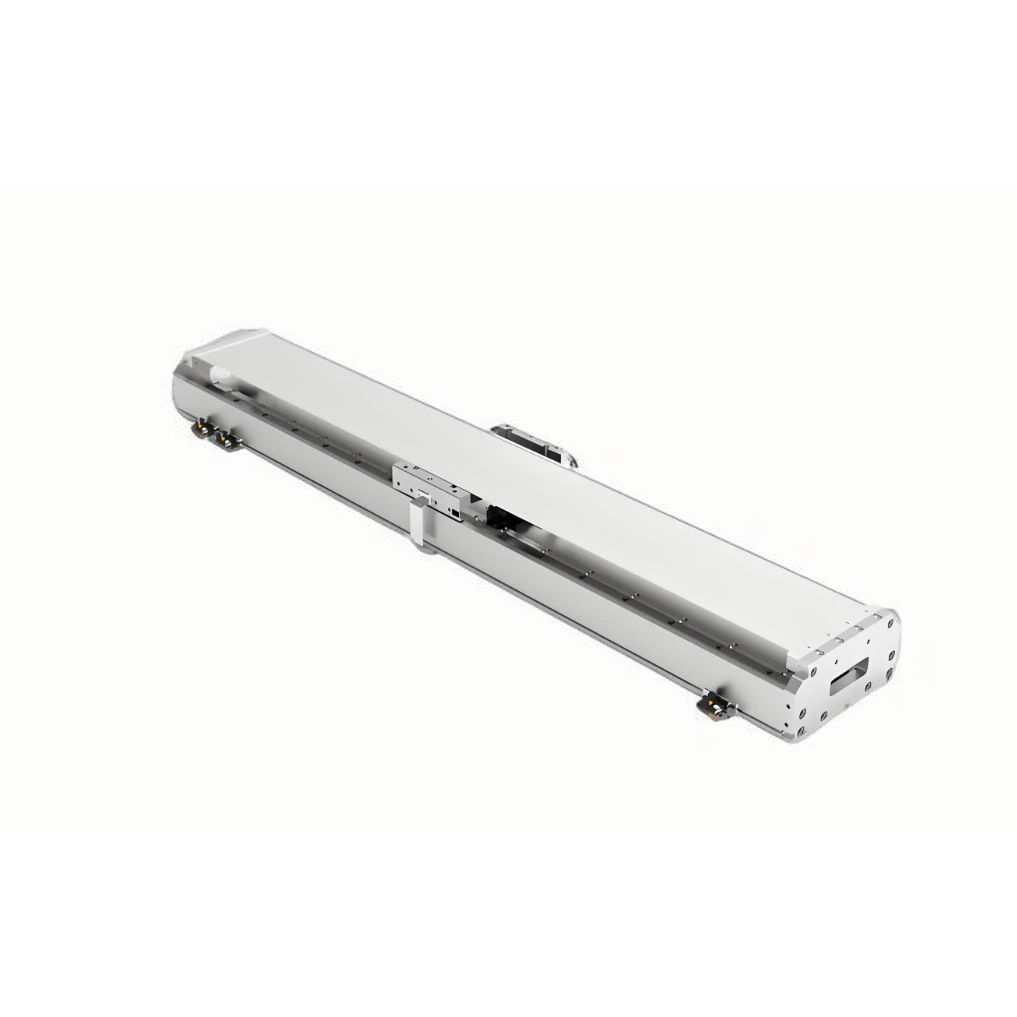
Precision Ball Screws Solutions for Netherlands Manufacturing

High-performance motion control components engineered for the rigorous industrial standards of the Dutch high-tech and maritime sectors.

Precision Ball Screws Solutions for Netherlands Manufacturing

Providing the Netherlands' industrial heartland with world-class linear motion technology to optimize productivity, accuracy, and mechanical longevity.

The Industrial Landscape of Linear Motion in the Netherlands

Analyzing the intersection of Dutch engineering excellence and advanced motion components.

The Netherlands is a global hub for semiconductor lithography and advanced logistics. In this high-precision environment, the demand for linear guides is driven by the need for nanometer-level repeatability and extreme stability, especially in the Brainport Eindhoven region.

Given the country's coastal geography and dominant maritime industry, components must withstand corrosive saline environments. This has led to a significant shift towards stainless steel bearings and specialized coatings that prevent oxidation while maintaining low friction coefficients.

Furthermore, the Dutch commitment to "Industry 4.0" and sustainable automation means that manufacturers are increasingly integrating smart linear modules to reduce energy consumption and minimize mechanical waste in automated warehouses.
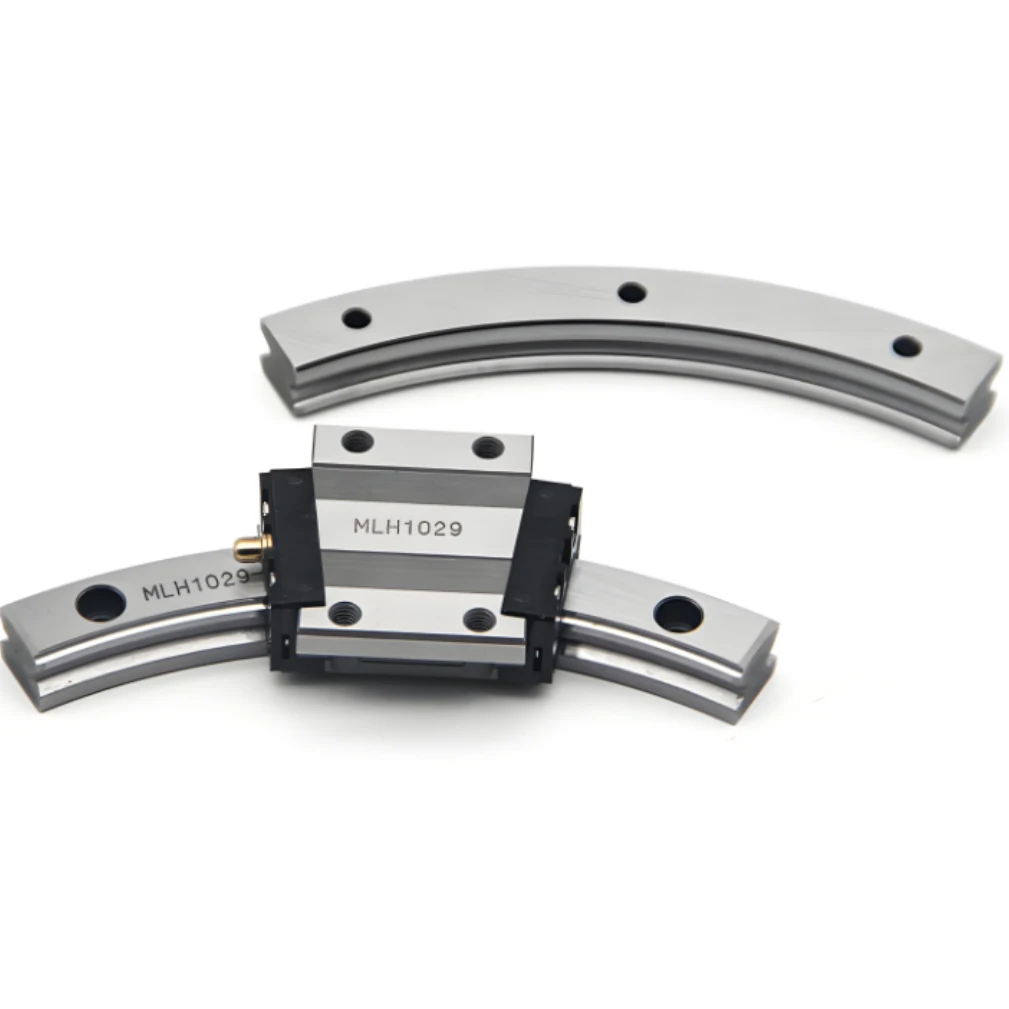
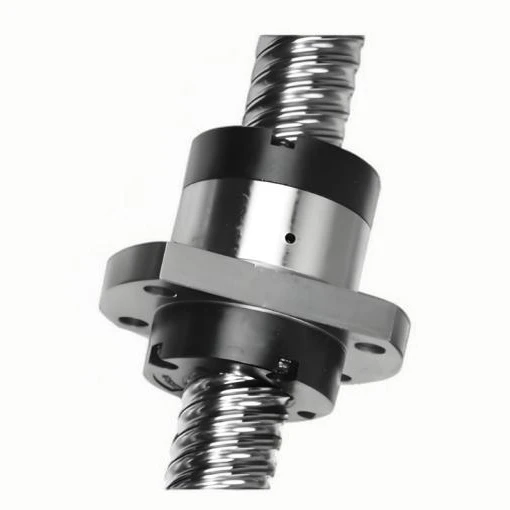
Evolution and Trajectory of Motion Control Technology

From traditional mechanical drives to intelligent, integrated linear systems.

Market Development History

In the late 20th century, the Dutch machinery sector relied heavily on traditional lubricated slides and basic ball bearings. The focus was on robustness and raw load capacity to support the heavy agricultural and shipping industries.

Between 2000 and 2015, the rise of the semiconductor industry accelerated the adoption of precision-ground ball screws. This era marked the transition from simple mechanical transmission to high-accuracy positioning systems required for wafer fabrication.

From 2016 to the present, we have seen the emergence of compact, modular solutions. The integration of ball splines has allowed for simultaneous linear and rotational movement, enabling more complex robotic kinematics in compact Dutch factory footprints.

Future Development Trends

AI-Driven Predictive Maintenance

Integrating sensors within linear components to monitor wear in real-time, reducing unplanned downtime in automated Dutch logistics centers.

Ultra-Low Friction Materials

Development of ceramic-hybrid components to eliminate the need for lubricants in clean-room environments, which is critical for the Netherlands' biotech sector.

Modular Scalability

A shift toward "plug-and-play" motion systems that allow manufacturers to scale their production lines rapidly without complete redesigns.

Future Trends and Strategic Outlook for Linear Motion

Navigating the next wave of technological disruption in the Netherlands' manufacturing sector.

Hyper-Precision Integration
Pushing the boundaries of tolerance to meet the demands of next-generation EUV lithography systems.
Eco-Friendly Lubrication
Transitioning to biodegradable lubricants to comply with strict Dutch environmental regulations.
Smart-Modular Design
Using modular components to allow for rapid prototyping in the Dutch agile manufacturing scene.
Hybrid Motion Control
Combining electromagnetic and mechanical linear drives for extreme energy efficiency.

Industry Outlook

Based on current Google search trends for "industrial automation Netherlands" and "precision engineering Europe," there is a surging interest in integrated motion systems. The market is moving away from individual parts toward complete, validated assemblies that reduce integration time.

Over the next 3-5 years, we expect the Netherlands to lead in the adoption of "Zero-Wear" technologies, leveraging advanced materials and AI to extend the lifecycle of components, effectively decoupling production growth from material consumption.

Localized Application Scenarios in the Netherlands

Real-world implementation of motion components across Dutch key industries.

1. Semiconductor Lithography Equipment

Utilizing ultra-precision linear guides to enable the sub-nanometer positioning required for EUV chip manufacturing in Veldhoven.

2. Automated Port Logistics (Rotterdam)

Implementation of heavy-duty linear modules in automated container sorting systems to maximize throughput in high-salinity environments.

3. Greenhouse Automation Technology

Using corrosion-resistant ball screws for automated climate control vents and irrigation systems in Westland's glasshouse clusters.

4. Advanced Medical Imaging Devices

Integration of high-accuracy bearings in MRI and CT scanners developed by Dutch med-tech firms for smooth, noise-free patient positioning.

5. Marine Propulsion Engineering

Applying ball splines in adjustable rudder and propulsion systems for specialized dredging vessels operated in the North Sea.

Brand Story

Global Development Journey of Hebei Yidi Import and Export Trade Co., Ltd.

Foundation and Core Mission

Established to bridge the gap between high-end engineering requirements and scalable manufacturing, focusing on solving precision deficits in linear motion.

Technological Breakthroughs

Developed proprietary heat-treatment processes that significantly increased the fatigue life of ball screws for heavy industrial use.

European Market Expansion

Strategically entered the European market, adapting product standards to meet the rigorous ISO and DIN requirements of Dutch and German engineers.

Commitment to Sustainability

Launched a green initiative focusing on lubricant-free components and recyclable steel to align with the EU Green Deal.

Vision for the Future

Aiming to become the global leader in "Intelligent Motion," where every bearing and guide provides real-time diagnostic data to the user.

Common Questions for the Dutch Motion Market

Expert answers to technical challenges faced by manufacturers in the Netherlands.

How do I choose the right linear guides for high-humidity environments in the Netherlands?

For humid or coastal regions, we recommend stainless steel versions or components with specialized chrome plating and high-performance seals to prevent corrosion and premature wear.

What is the typical lead time for custom ball screws delivered to Rotterdam?

Depending on the precision grade and length, custom ball screws typically take 2-4 weeks for production, with efficient logistics ensuring rapid delivery to the Port of Rotterdam.

Can your linear modules be integrated into existing Industry 4.0 setups?

Yes, our modules are designed for compatibility with standard PLC systems and can be fitted with various sensors for real-time feedback and integration into smart factory networks.

Which bearings are best for high-speed precision applications in semiconductor tools?

High-precision angular contact bearings or ceramic hybrid bearings are recommended to minimize thermal expansion and maximize rotational accuracy at high speeds.

What are the advantages of using ball splines over traditional couplings?

Ball splines provide simultaneous linear motion and torque transmission with extremely low friction, allowing for more compact and flexible machine designs.

How do I maintain precision components in a clean-room environment?

We suggest using vacuum-compatible lubricants and bellows covers for linear guides to prevent particle emission and protect the precision surfaces from contamination.

Get Expert Motion Consultation

Ready to optimize your machinery with precision components? Our engineering team is available to support your projects across the Netherlands.

Contact Us Now

If you are interested in our products, you can choose to leave your information here, and we will be in touch with you shortly.


3_3ricon1-webp17404468391174113810811 819_2025032815201169958.png

If you are interested in our products, you can choose to leave your information here, and we will be in touch with you shortly.