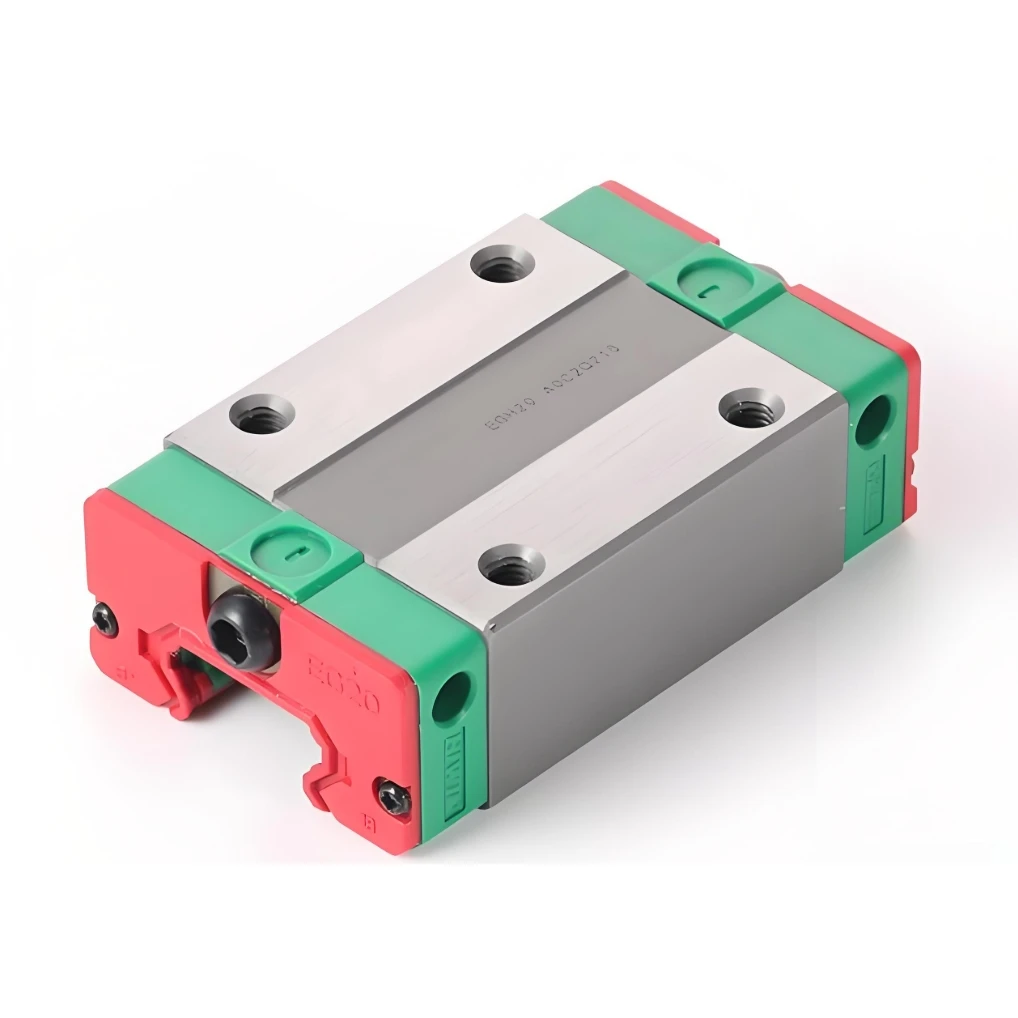
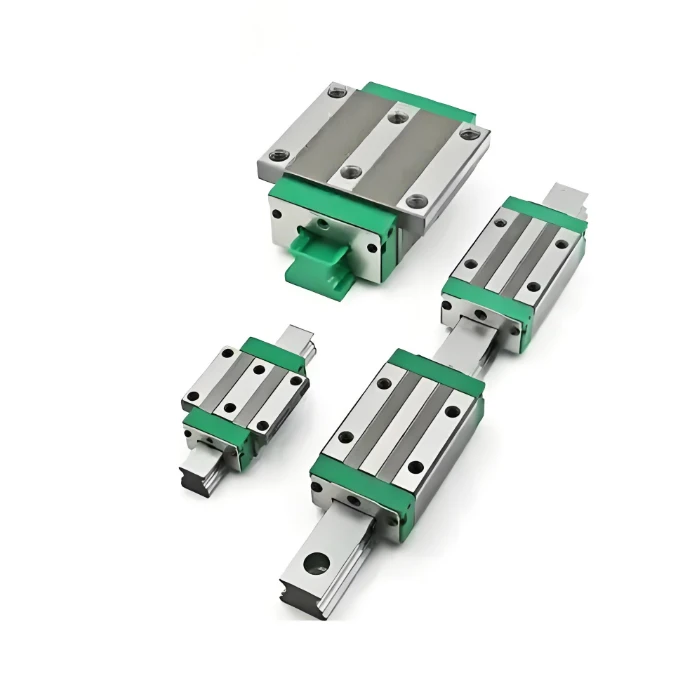
Precision ball screws Solutions for Mexico Industrial Automation

Empowering the Mexican manufacturing sector with high-performance motion control components and advanced engineering support.

Current Landscape of Motion Control in Mexico

Analyzing the demand for precision transmission components in the Nearshoring era.

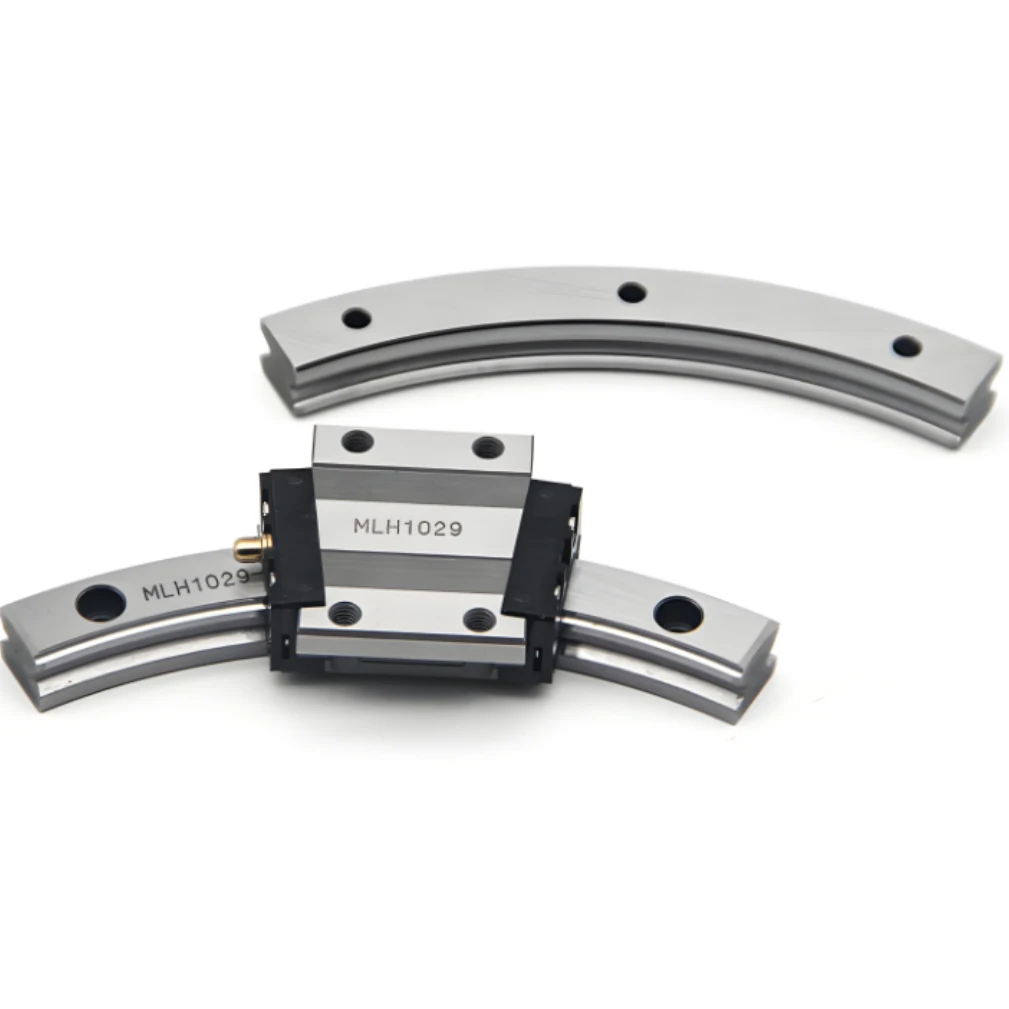
Mexico has become a global hub for automotive and electronics manufacturing due to the "Nearshoring" trend. This shift has dramatically increased the demand for high-durability linear guides to support high-speed assembly lines in states like Querétaro and Nuevo León.

The local industrial environment faces unique challenges, including extreme temperature fluctuations in Northern Mexico, which require specialized lubrication and materials for bearings to prevent premature wear and maintain operational precision.

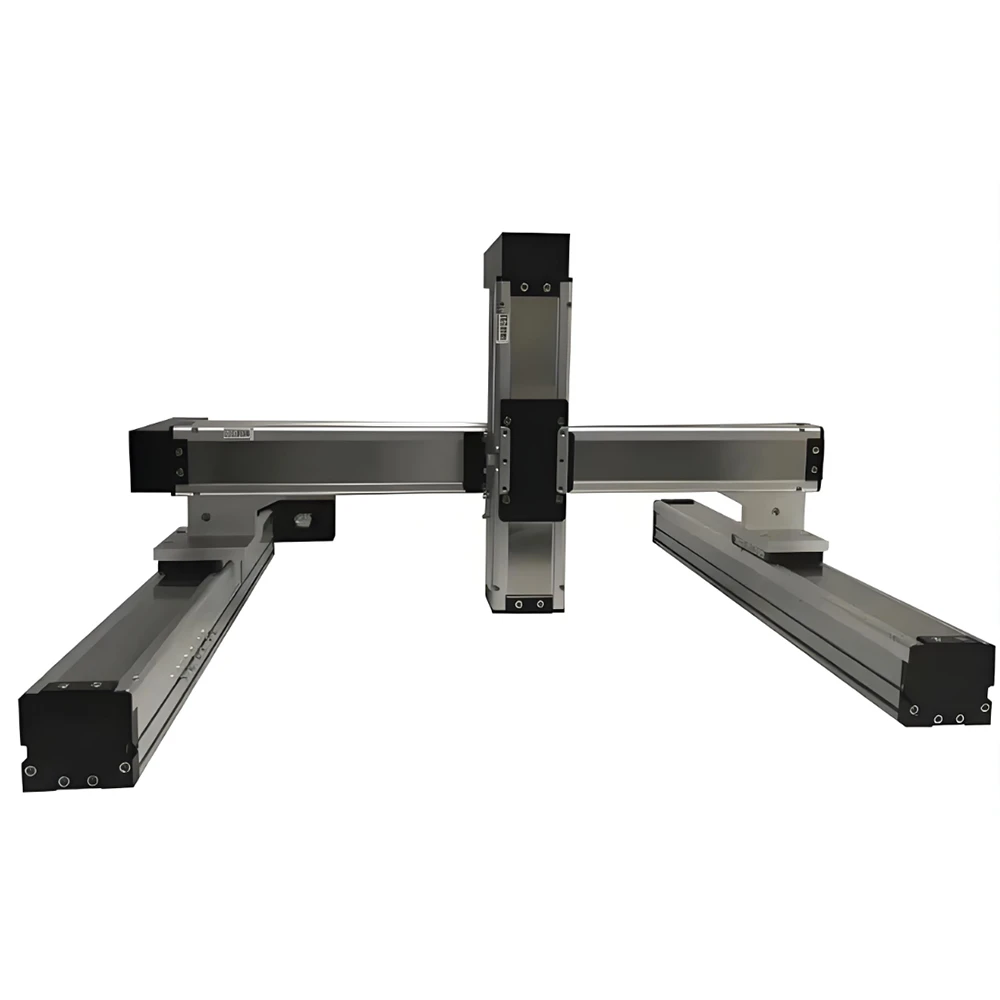
With the expansion of the USMCA trade agreement, Mexican factories are upgrading from manual operations to fully automated linear modules, driving a surge in the adoption of integrated motion systems that reduce downtime and increase throughput.
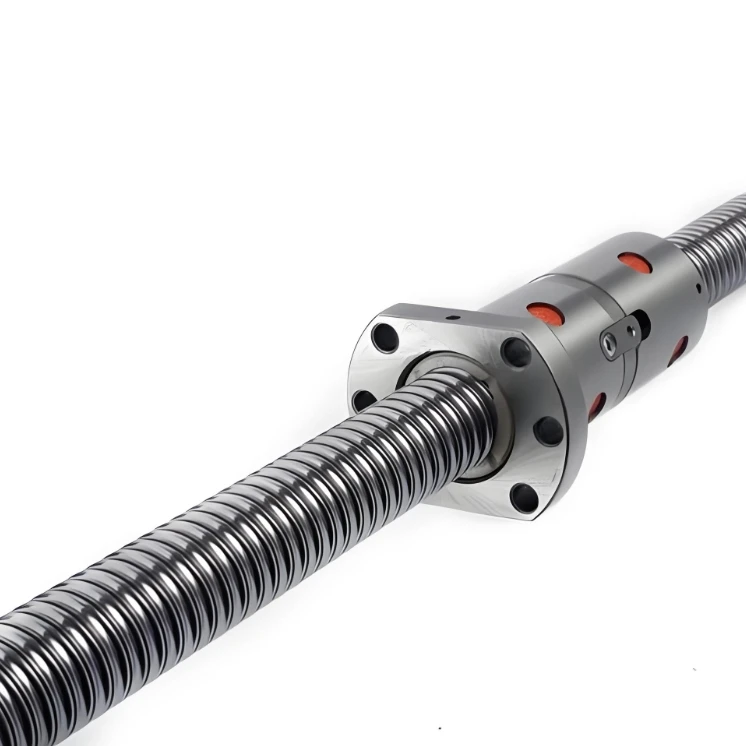
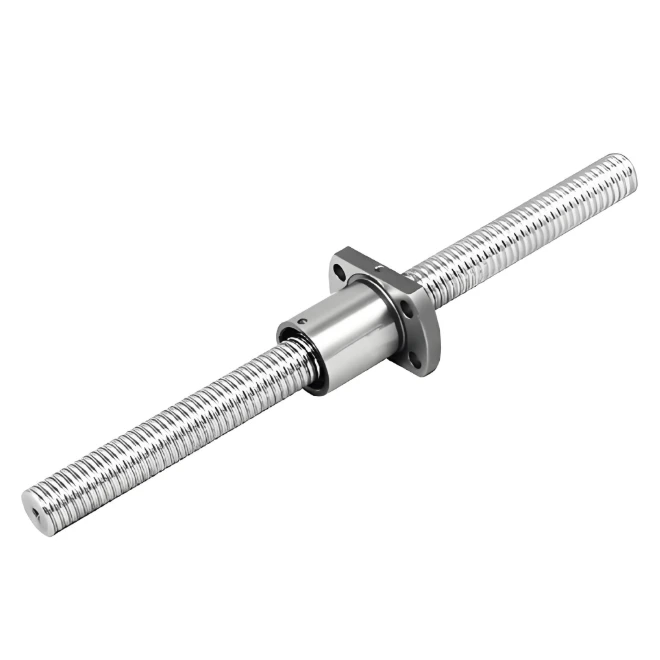
Evolution and Trajectory of Motion Components

From traditional mechanical guides to intelligent linear motion systems.

Market Development History

In the early 2000s, the Mexican manufacturing sector relied heavily on basic bushings and traditional sliding guides. The focus was primarily on robustness over precision, supporting the heavy-duty assembly of early automotive platforms.

Between 2010 and 2020, a technical pivot occurred as the industry shifted toward precision. The introduction of recirculating ball splines allowed for simultaneous linear and rotary motion, enabling the complex robotics used in modern chassis welding.

Entering the 2020s, the integration of Industry 4.0 has led to the adoption of smart actuators. The focus has moved toward energy efficiency and "plug-and-play" modularity to shorten factory commissioning times.

Future Development Trends

Hyper-Precision and Miniaturization

Driven by the medical device sector in Tijuana and Juárez, we expect a shift toward ultra-compact components with micron-level accuracy.

Sustainable Material Engineering

Development of lubricant-free or eco-friendly coatings to meet the tightening environmental regulations within the North American trade bloc.

AI-Driven Predictive Maintenance

Integration of sensors within motion components to predict failure before it occurs, reducing unplanned downtime in 24/7 production cycles.

Industrial Trends and Future Outlook

Strategizing for the next generation of Mexican industrial automation.

Nearshoring Acceleration
Rapid expansion of production facilities in Mexico driving massive demand for scalable linear motion hardware.
EV Transition
The shift to Electric Vehicles requires new precision tooling and battery assembly lines utilizing advanced guides.
Smart Integration
Moving from standalone components to synchronized, data-connected linear modules for real-time monitoring.
Logistics Automation
Rapid growth of automated warehouses in Mexico City and Monterrey increasing demand for linear transport.

Industry Outlook

Based on search trends and industrial growth reports, the Mexican market is moving toward "Total Cost of Ownership" (TCO) optimization. Companies are no longer just buying the cheapest part but are investing in high-grade materials that extend the service life of their machinery.

We anticipate a 15% annual growth in the adoption of precision motion components as Mexico integrates deeper into the North American semiconductor and aerospace supply chains, requiring higher tolerances and stricter quality certifications.

Localized Application Scenarios in Mexico

Real-world implementation of precision linear components across key Mexican industries.

1. Automotive Battery Assembly (Monterrey)

Utilizing linear modules for high-precision placement of lithium cells, ensuring minimal deviation during high-speed assembly in EV plants.

2. Aerospace Component Milling (Queretaro)

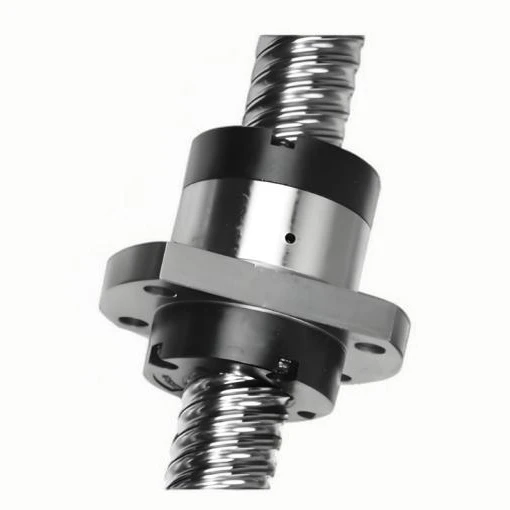
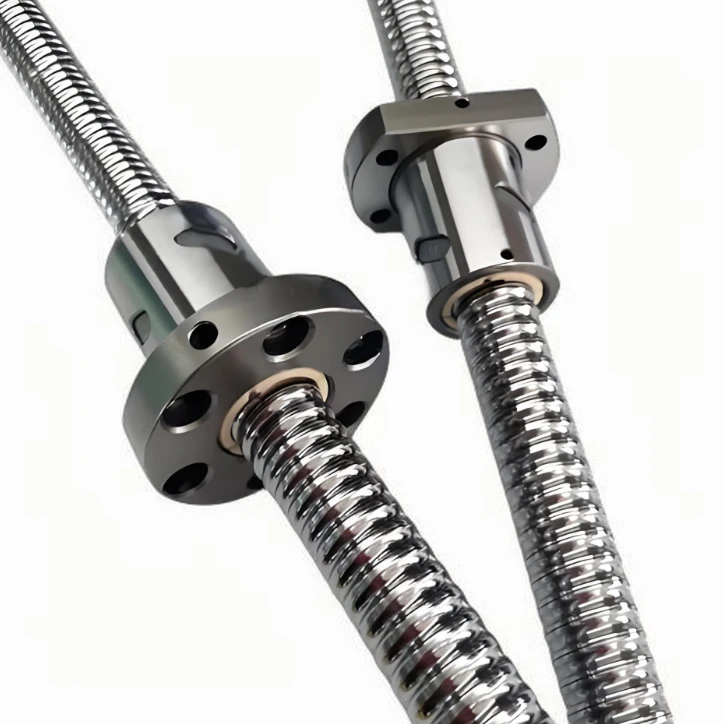
Implementation of heavy-load ball screws in CNC machining centers to maintain micron-level tolerances for aircraft fuselage parts.

3. Medical Device Packaging (Tijuana)

Using miniature linear guides in clean-room environments for the rapid packaging of surgical instruments and implants.

4. Industrial Robotics for Welding (Puebla)

Applying ball splines in robotic arms to achieve seamless transition between linear extension and rotational positioning during chassis welding.

5. Automotive Transmission Testing (Guanajuato)

Integrating high-precision bearings in dynamic testing rigs to simulate road conditions and measure drivetrain efficiency.

Brand Story

Global Development History of Hebei Yidi Import and Export Trade Co., Ltd.

Foundational Excellence

Started with a commitment to bridge the gap between high-end manufacturing and global accessibility, focusing on the core physics of friction reduction.

Quality Standardization

Achieved international quality certifications, ensuring every component meets the strict tolerances required by the North American industrial market.

Global Expansion

Established strategic supply chains to serve the Mexico and US markets, focusing on reducing lead times for critical industrial components.

Technical Innovation

Invested in R&D to develop specialized coatings and materials that solve the pain points of corrosion and wear in harsh industrial climates.

Future-Ready Vision

Moving toward an integrated solution provider model, offering not just parts but complete motion control systems for the Industry 4.0 era.

Common Technical FAQs for Mexico Market

Expert answers to the most frequent queries regarding linear motion components.

How to choose the right precision ball screws for high-temperature environments in Northern Mexico?

For high-temperature zones, we recommend using components with specialized thermal expansion compensation and high-temperature synthetic lubricants to maintain precision and prevent seizure.

What is the lead time for importing linear guides to the Bajío region?

Through our optimized logistics network, we provide streamlined shipping to the Bajío region, typically reducing transit times compared to traditional cross-border freight.

Can your bearings be customized for the high-load requirements of automotive chassis lines?

Yes, we offer customized preload and material hardening options to ensure your bearings can handle the extreme radial and axial loads typical of chassis assembly.

Do your ball splines support simultaneous rotation and linear movement in robotics?

Absolutely. Our ball splines are designed specifically for high-rigidity, low-friction simultaneous motion, making them ideal for the complex kinematics of industrial robots.

How do linear modules improve productivity in Mexican electronic assembly plants?

Linear modules integrate the motor, screw, and guide into one unit, reducing installation time and improving positioning repeatability, which is critical for PCB assembly.

What maintenance schedule is recommended for linear motion systems in dusty industrial environments?

In dusty environments, we recommend installing scrapers/seals and implementing a bi-weekly lubrication cycle to prevent contaminants from entering the raceways.

Ready to Optimize Your Production Line?

Contact our engineering team today for specialized motion control solutions tailored for the manufacturing sector in Mexico.

Contact Us Now

If you are interested in our products, you can choose to leave your information here, and we will be in touch with you shortly.


3_3ricon1-webp17404468391174113810811 819_2025032815201169958.png

If you are interested in our products, you can choose to leave your information here, and we will be in touch with you shortly.