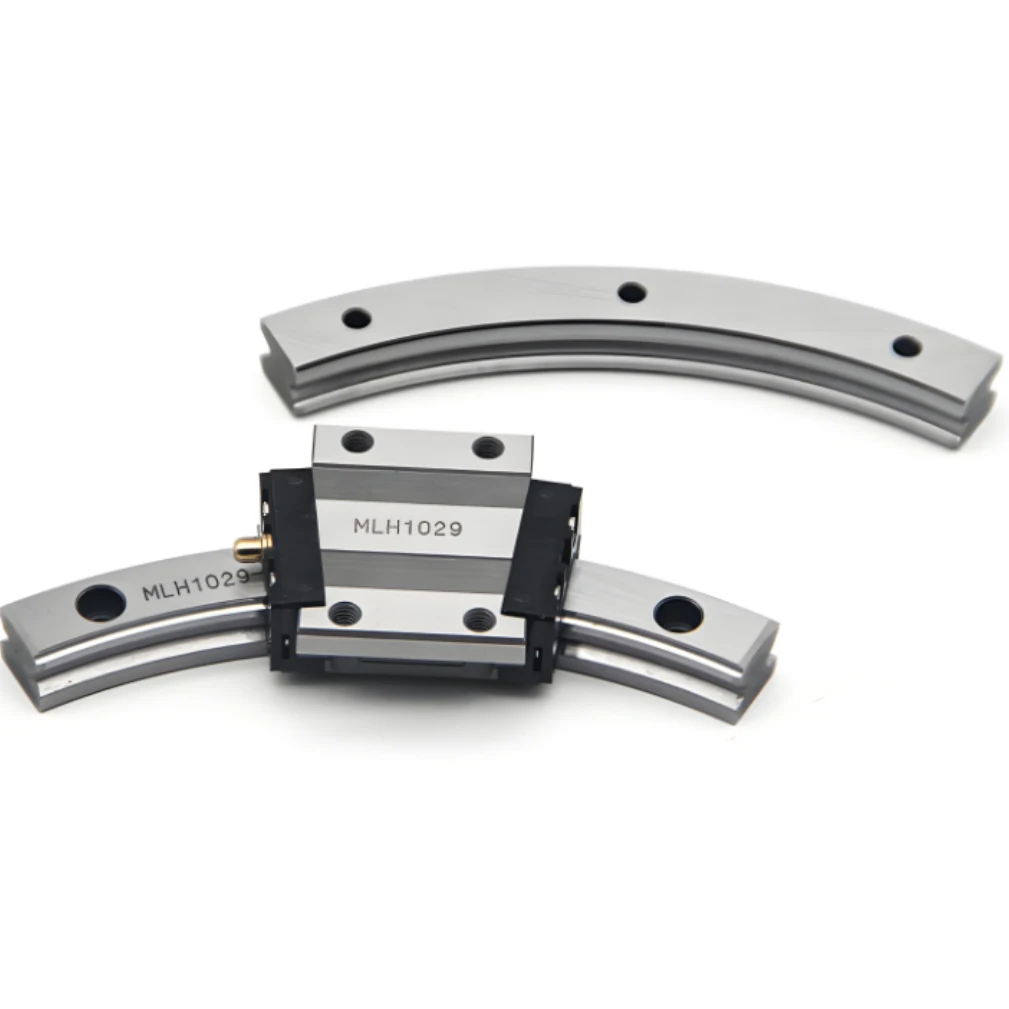
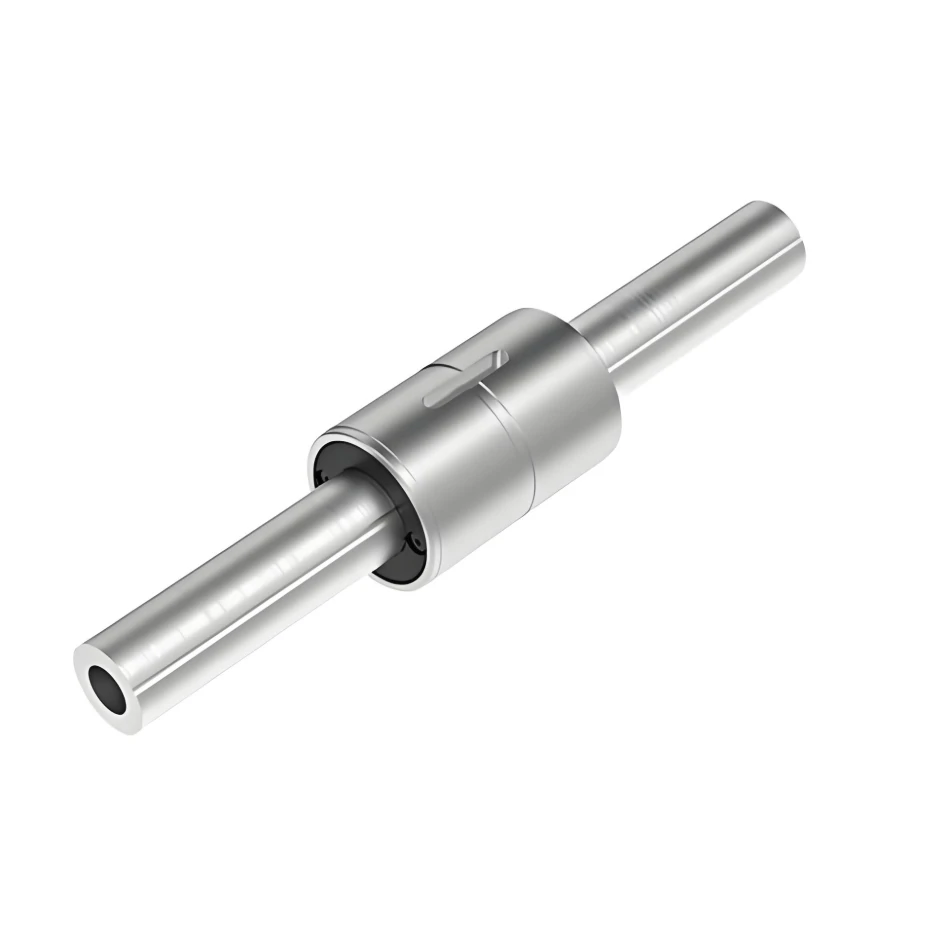
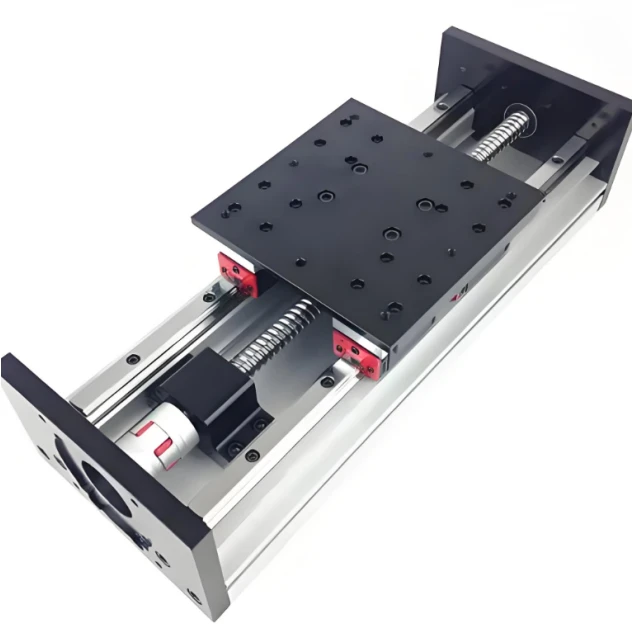
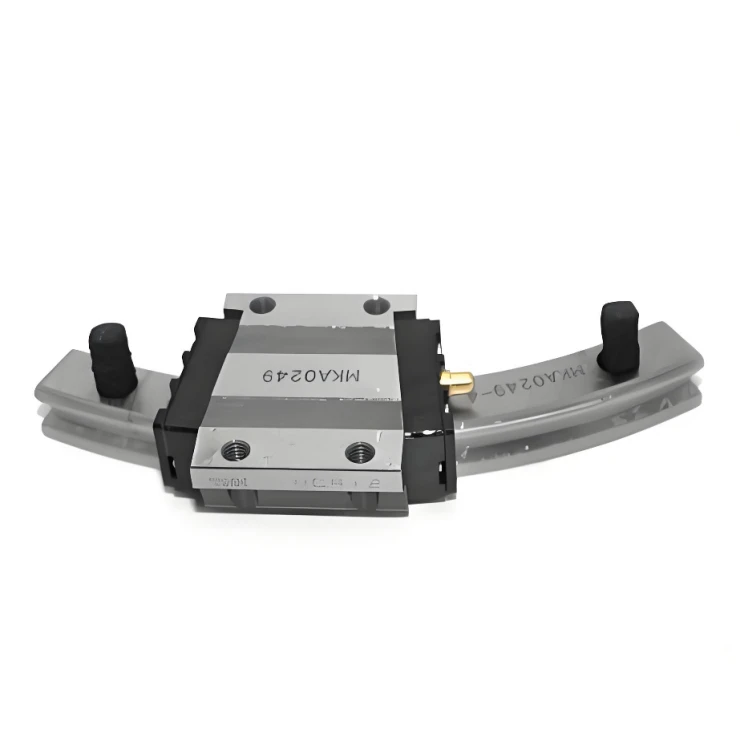
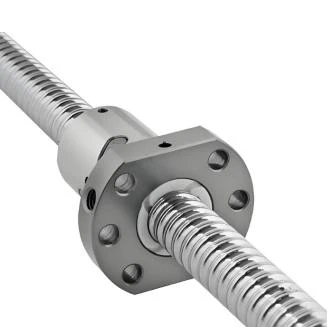
Precision ball screws Solutions for Italian Industrial Automation

Engineering high-performance motion control systems tailored for the rigorous demands of Italy's advanced manufacturing sector.

The State of Motion Control in Italy's Manufacturing Landscape

Analyzing the intersection of Italian craftsmanship and high-precision linear components.

Italy's manufacturing sector, particularly in the North, is characterized by a dense network of SMEs specializing in high-end machinery. The demand for linear guides has surged as factories transition toward Industry 4.0, requiring tighter tolerances and higher repeatability in robotic arms and CNC centers.

The local industrial environment often faces challenges related to varying humidity and temperature in historical facility settings. This necessitates the use of high-grade bearings with advanced sealing technologies to prevent contamination and ensure long-term operational stability in diverse Italian climates.

Economic shifts toward sustainable automation have led Italian engineers to prioritize energy-efficient motion components. There is a growing trend toward integrating linear modules that reduce power consumption while maintaining the high speeds required for the luxury packaging and pharmaceutical industries.
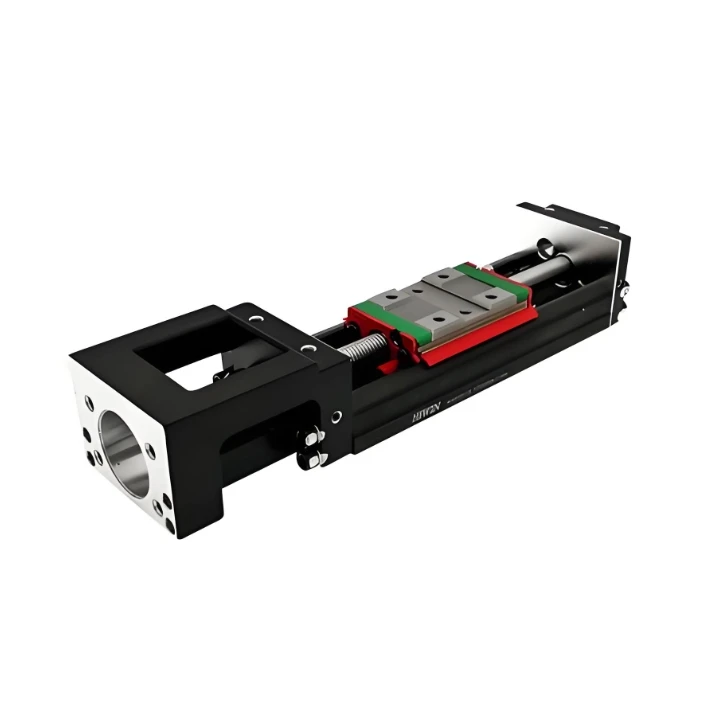
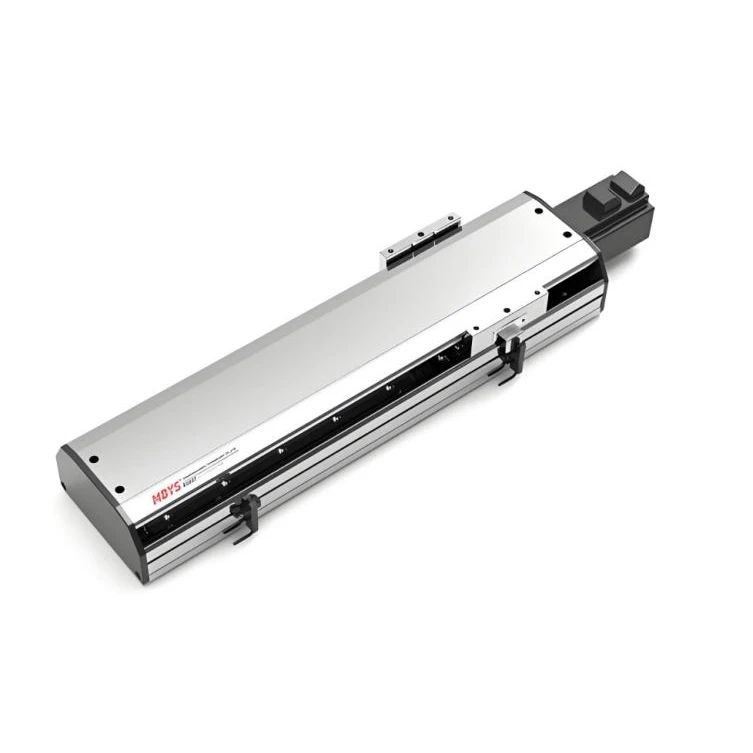
Evolution of Linear Motion Technology in Italy

From traditional mechanical guides to intelligent mechatronic systems.

Market Development History

In the late 20th century, Italian machinery relied heavily on traditional slideways and oil-lubricated systems. The introduction of precision ball splines in the 1990s marked a pivotal shift, allowing for simultaneous linear and rotational movement in complex assembly lines.

By the 2010s, the integration of digital controllers drove the adoption of high-precision ground ball screws. This era saw a transition from simple mechanical movement to synchronized multi-axis control, essential for the high-fashion textile machinery and automotive tooling sectors in Lombardy and Emilia-Romagna.

Today, the focus has shifted toward "plug-and-play" components. The modern Italian factory now implements integrated systems where actuators and sensors are combined, reducing assembly time and increasing the overall equipment effectiveness (OEE).

Future Development Trends

IoT-Integrated Smart Components

The integration of sensors within linear motion components to monitor wear and tear in real-time, moving toward predictive maintenance.

Ultra-Compact Form Factors

Developing smaller, more powerful modules to accommodate the trend of miniaturization in medical device manufacturing across Italy.

Sustainable Material Innovation

Adopting lightweight alloys and bio-based lubricants to meet the strict EU environmental regulations and carbon neutrality goals.

Future Prospects of Linear Motion Systems

Strategic directions for the next 3-5 years in the Italian industrial sector.

Predictive Maintenance
Transitioning from scheduled to condition-based maintenance using embedded vibration sensors.
High-Speed Precision
Developing ultra-low friction surfaces to increase throughput in automated packaging lines.
Modular Integration
Shift toward standardized, swappable linear modules to reduce downtime during reconfiguration.
Eco-Friendly Materials
Implementation of recycled steel and energy-efficient lubricants for Green Deal compliance.

Industry Outlook

Based on Google search trends in the European region, there is a significant increase in queries for "smart linear motion" and "friction-less guides." This suggests that Italian manufacturers are actively seeking solutions that combine mechanical precision with digital intelligence to remain competitive globally.

The convergence of robotics and linear motion is expected to accelerate. We anticipate that the next generation of systems will utilize hybrid drive technologies, combining the rigidity of ball screws with the speed of linear motors, specifically for high-precision electronics assembly in Italy.

Local Application Scenarios in Italy

Real-world implementation of high-precision motion components in Italian industries.

1. Automated Packaging for Luxury Goods

Utilizing high-speed linear modules to create precise pick-and-place systems for the luxury perfume and cosmetics industry in Milan.

2. Automotive Component Machining

Integrating heavy-duty linear guides in CNC milling machines producing high-performance parts for the Italian supercar sector.

3. Pharmaceutical Filling Lines

Implementing clean-room grade bearings and ball screws to ensure sterile, contamination-free movement in vaccine bottling plants.

4. Industrial Robotics for Textile Mills

Using ball splines in articulated robotic arms for the automated handling of luxury fabrics in the Prato textile district.

5. Food Processing Automation

Applying stainless steel linear motion components in pasta and confectionery production lines to meet strict Italian HACCP food safety standards.

Brand Story

Global Development Journey of Hebei Yidi Import and Export Trade Co., Ltd.

Foundational Excellence

Established with a vision to bridge the gap between high-precision engineering and global industrial needs, focusing on core motion components.

Technical Specialization

Developed a specialized focus on solving friction and wear issues in heavy-duty industrial environments through advanced metallurgy.

European Expansion

Successfully entered the European market, tailoring products to meet the stringent quality and safety standards of EU machinery directives.

Innovation Milestone

Launched a series of integrated linear modules that combine actuators and guides, reducing installation time for end-users by 30%.

Global Partnership Era

Today, we serve as a strategic partner for leading Italian OEMs, providing customized motion solutions for the next generation of automation.

Frequently Asked Questions - Italy Motion Solutions

Expert answers to common technical queries from Italian industrial engineers.

How to choose the right linear guides for high-humidity Italian coastal environments?

We recommend using stainless steel versions with advanced polymer seals to prevent corrosion and salt-air ingress, ensuring long-term precision.

What is the typical lead time for customized ball screws delivered to Northern Italy?

Depending on the precision grade (C3-C7), standard orders typically take 2-4 weeks, while custom specifications are handled through our expedited European logistics channel.

Can your linear modules be integrated with Siemens or Rockwell controllers?

Yes, our modules are designed for universal compatibility with standard industrial PLCs used across Italy, supporting common communication protocols.

What maintenance interval is recommended for ball splines in 24/7 production lines?

For high-duty cycles, we recommend a lubrication check every 500 operational hours, using high-pressure lithium-based grease for optimal performance.

Do your bearings comply with EU REACH and RoHS environmental regulations?

Absolutely. All our components are fully certified and compliant with EU environmental standards, ensuring they are safe for use in any Italian facility.

What is the difference between ground and rolled ball screws for precision machinery?

Ground ball screws offer significantly higher precision and lower friction, ideal for high-end Italian CNC machines, whereas rolled screws are cost-effective for general automation.

Get Expert Motion Consulting

Ready to optimize your production line? Contact our technical team for specialized linear motion solutions in Italy.

Contact Us Now

If you are interested in our products, you can choose to leave your information here, and we will be in touch with you shortly.


3_3ricon1-webp17404468391174113810811 819_2025032815201169958.png

If you are interested in our products, you can choose to leave your information here, and we will be in touch with you shortly.