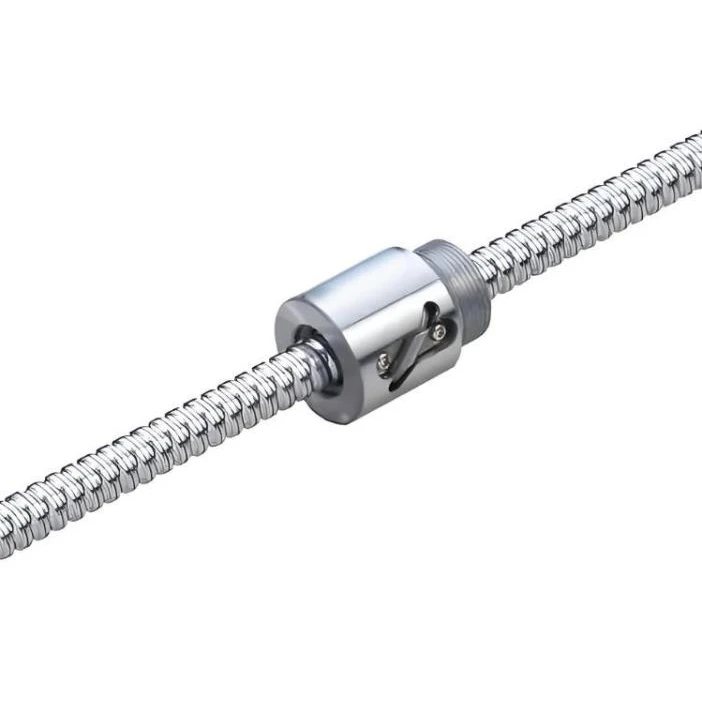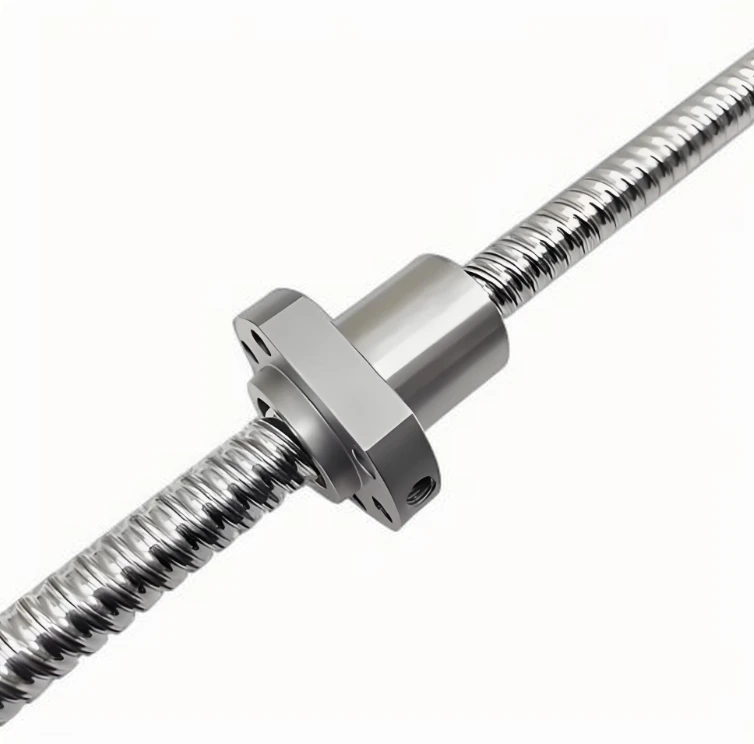
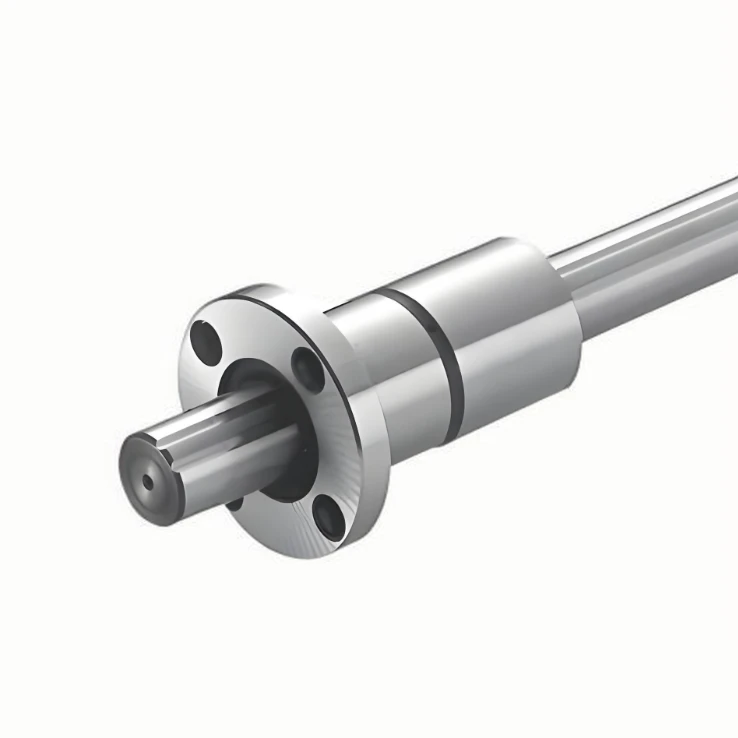
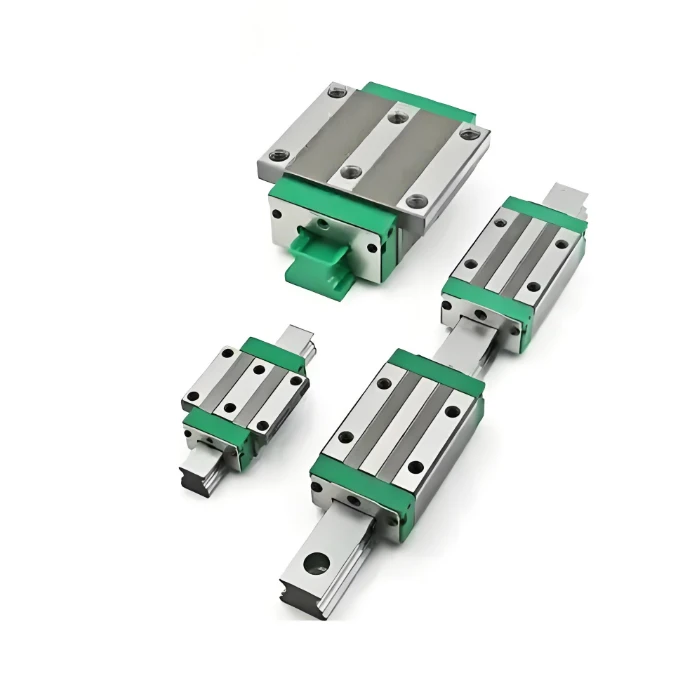
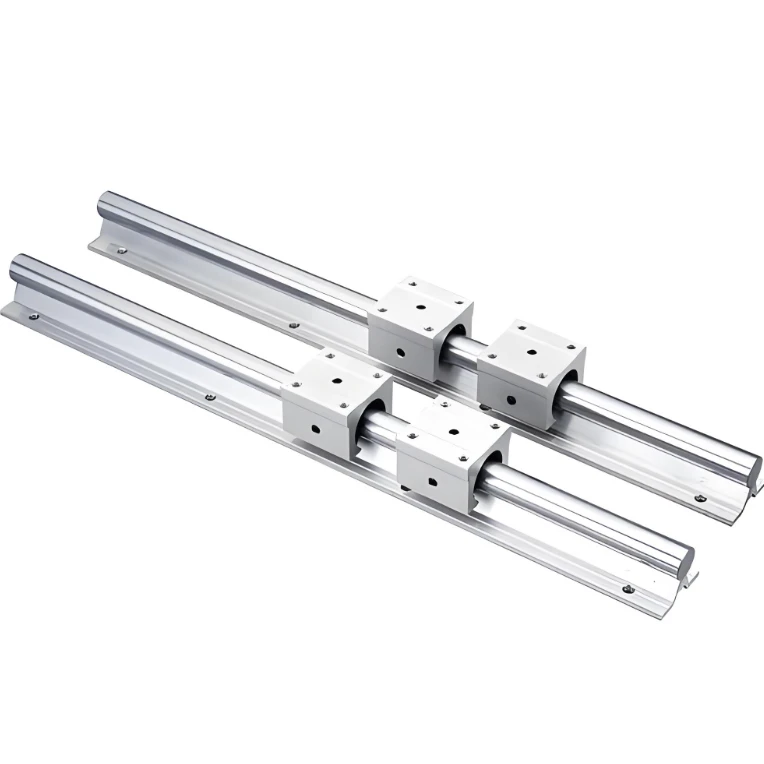
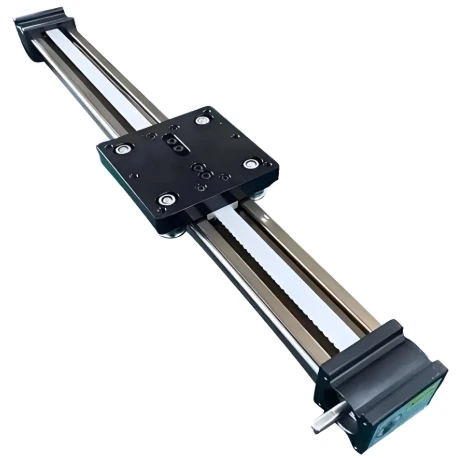
High-Precision ball screws Solutions for North Korea Industry

Empowering North Korea's heavy machinery and industrial automation with world-class precision motion control components.

Industrial Landscape of Motion Control in North Korea

Analyzing the current state of precision transmission components in the region.

The manufacturing sector in North Korea relies heavily on robust, long-life components. Due to the harsh continental climate with extreme temperature fluctuations, there is a critical demand for bearings that can maintain lubrication and structural integrity under severe thermal stress.

Current industrial infrastructure is transitioning from manual mechanical drives to automated systems. This shift has increased the local adoption of linear guides to improve the repeatability of heavy-duty machine tools used in metalworking and equipment fabrication.

Despite economic constraints, there is a strategic focus on self-reliance in machinery. This creates a unique market for high-durability linear modules that offer low maintenance requirements and high load-bearing capacities for long-term operational stability.
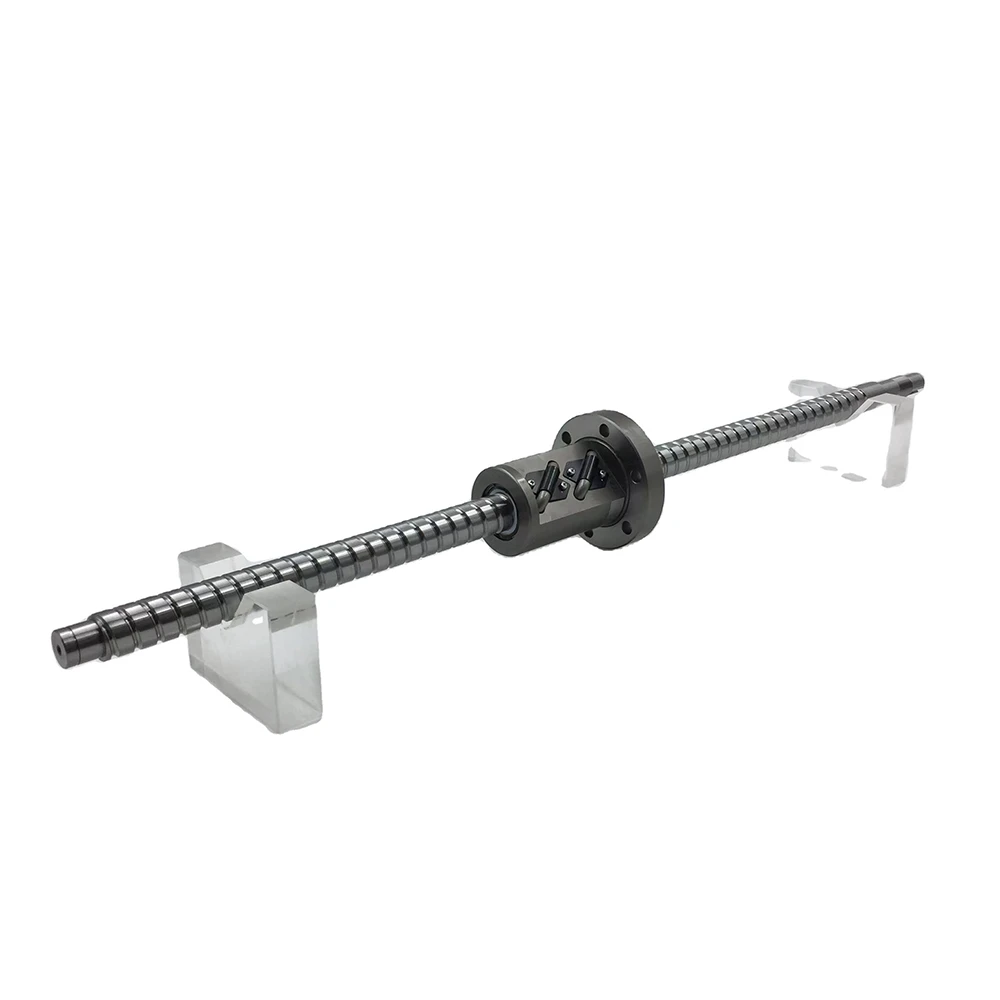
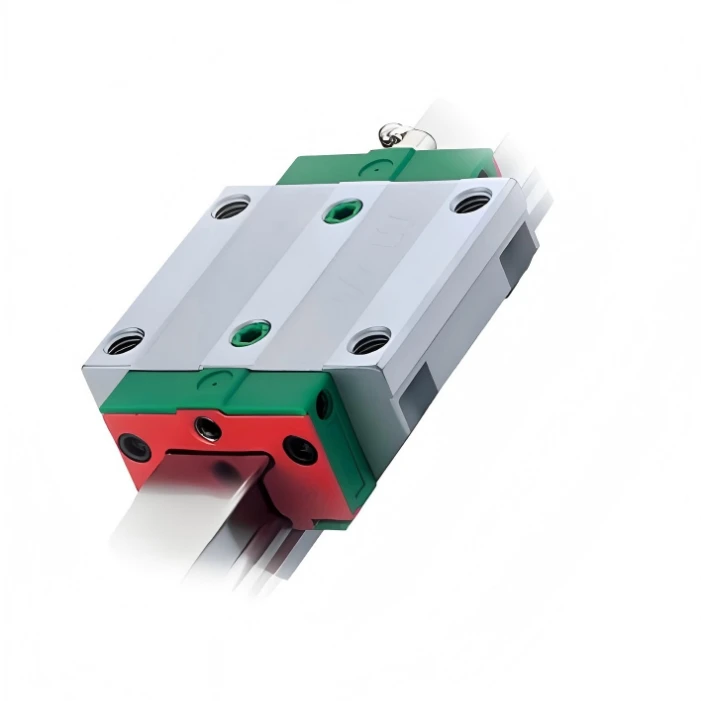
Evolution of Precision Transmission in North Korea

From traditional sliding friction to advanced rolling motion technology.

Market Development History

Prior to the 2000s, the region predominantly used bronze bushings and traditional sliding ways. These systems suffered from high friction and rapid wear, limiting the precision of industrial output.

Between 2010 and 2020, a transition toward rolling elements began. The introduction of basic ball splines allowed for combined axial and rotational movements, significantly upgrading the capabilities of local hydraulic and pneumatic actuators.

In recent years, the integration of CNC technology has necessitated the use of high-grade precision components. This era is defined by the shift toward integrated motion systems that combine accuracy with extreme rigidity.

Future Development Trends

Integration of Smart Sensing

Future systems will likely incorporate embedded sensors into linear components to monitor wear in real-time, reducing unplanned downtime in state-owned factories.

Material Science Advancement

There is a growing trend toward using specialized coatings to resist corrosion in coastal industrial zones, extending the life of precision rails.

Modularization of Motion

The move toward prefabricated, plug-and-play motion units will accelerate the deployment of automation in the textile and food processing industries.

Future Outlook for Linear Motion Technology

Projecting the technological trajectory for the next 3-5 years.

Extreme Load Capacity
Development of reinforced alloys to handle heavier loads in mining and metallurgy equipment.
High-Precision Tolerance
Pushing for micron-level accuracy to support the growth of domestic electronics assembly.
Energy-Efficient Motion
Optimizing friction coefficients to reduce power consumption in large-scale plants.
Low-Maintenance Design
Implementing self-lubricating polymers for use in remote industrial sites.

Industry Outlook

Based on search trends and industrial demand, the North Korean market is expected to see a surge in demand for integrated linear modules that reduce the complexity of assembly. The focus is shifting from buying individual parts to buying complete motion solutions.

We anticipate that the synergy between high-precision mechanical components and basic PLC control systems will drive a new wave of productivity in the region's heavy machinery sector, emphasizing longevity over initial cost.

Localized Application Scenarios in North Korea

Real-world implementations of motion control in regional industries.

01 Heavy-Duty Steel Mill Automation

Using reinforced linear guides to support the movement of massive steel slabs and automated rolling mill adjustments.

02 Mining Equipment Actuators

Implementation of high-load ball screws in underground drilling rigs for precise depth control and stability.

03 Textile Machinery Upgrades

Integrating linear modules into fabric weaving machines to increase speed and reduce vibration during high-speed operation.

04 Agricultural Tool Fabrication

Applying ball splines in the assembly of articulated farm machinery for robust rotational and linear movements.

05 CNC Machine Tool Retrofitting

Replacing old sliding ways with precision bearings and rails to enhance the accuracy of state-owned automotive parts plants.

Brand Story

Global Development Process of Hebei Yidi Import and Export Trade Co., Ltd.

Foundation & Vision

Established with a mission to bridge the gap between high-end precision engineering and industrial accessibility across Asia.

Technical Breakthroughs

Developing specialized heat-treatment processes to ensure components withstand the most extreme industrial environments.

Market Expansion

Expanding our footprint into the Asia-North Korea region, providing critical components for heavy industrialization.

Quality Standardization

Achieving international certifications to ensure every bearing and screw meets global precision standards.

Future Commitment

Dedicated to solving the "durability vs. precision" paradox for the global manufacturing industry.

Common Questions for North Korea Industrial Users

Expert answers to the most frequent technical concerns in the region.

How to maintain high-precision ball screws in dusty environments?

We recommend using reinforced bellows and specialized scrapers to prevent contaminants from entering the screw nut and rail system.

Which linear guides are best for heavy-duty steel mills?

Our high-load capacity series with induction-hardened rails is specifically designed for the extreme pressures of steel manufacturing.

Can these bearings handle extreme temperature variations?

Yes, our components are available with specialized lubricants and materials that maintain stability from -40°C to +120°C.

What is the advantage of using ball splines over traditional keys?

Ball splines offer significantly lower friction and zero-backlash, allowing for smoother transmission of torque and linear force.

How do linear modules simplify machine assembly?

They integrate the motor, screw, and guides into one unit, reducing alignment errors and cutting assembly time by up to 50%.

How do I choose the right precision grade for my application?

Selection depends on your tolerance requirements; C5 is typical for general machinery, while C3 is required for high-end CNC precision.

Get Expert Technical Support

Looking for the most durable motion components in North Korea? Our engineers are ready to help you optimize your production line.

Contact Us Now

If you are interested in our products, you can choose to leave your information here, and we will be in touch with you shortly.


3_3ricon1-webp17404468391174113810811 819_2025032815201169958.png

If you are interested in our products, you can choose to leave your information here, and we will be in touch with you shortly.