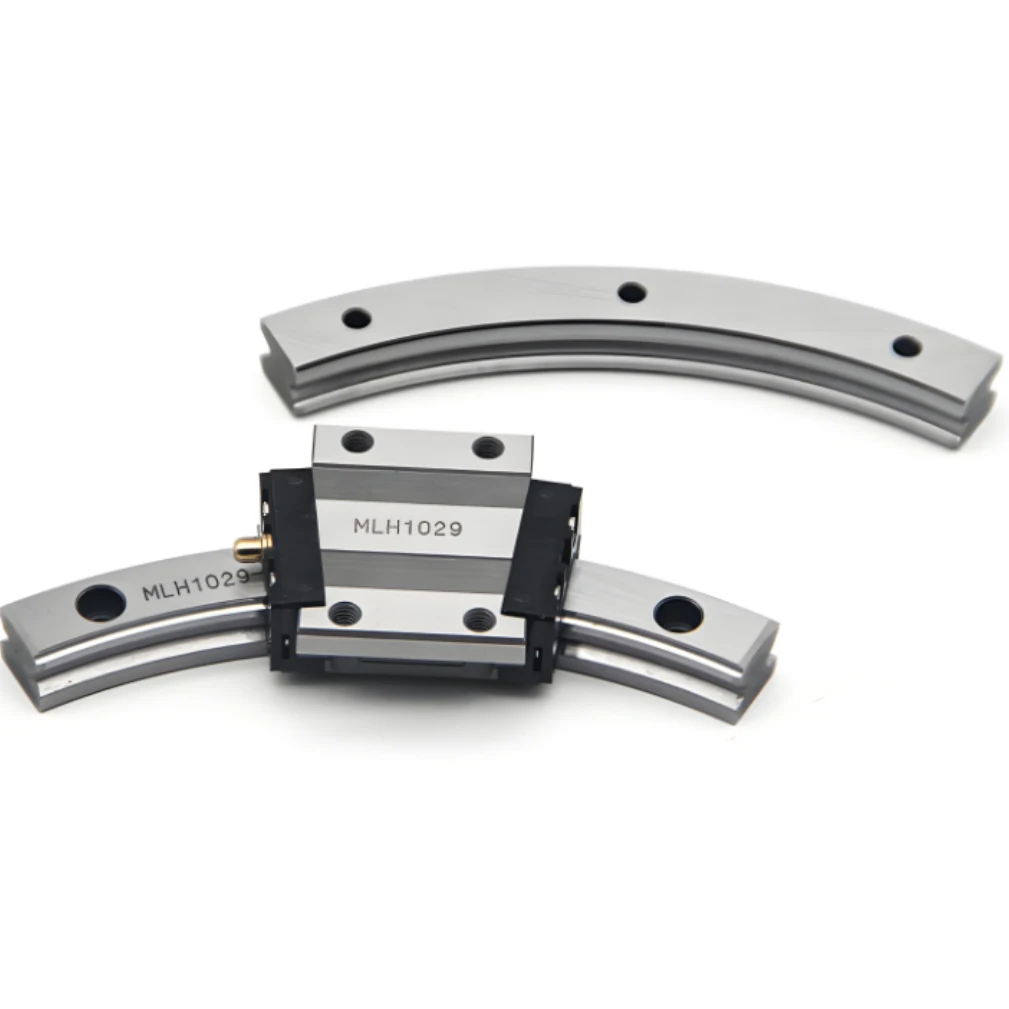
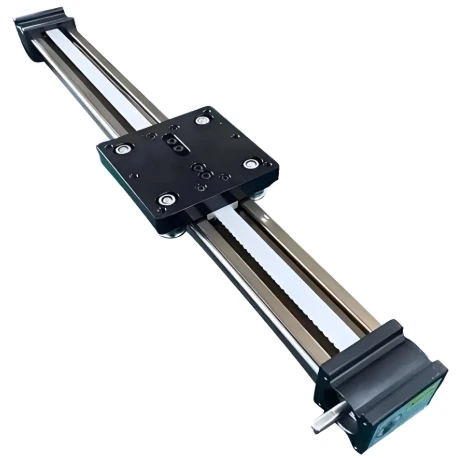
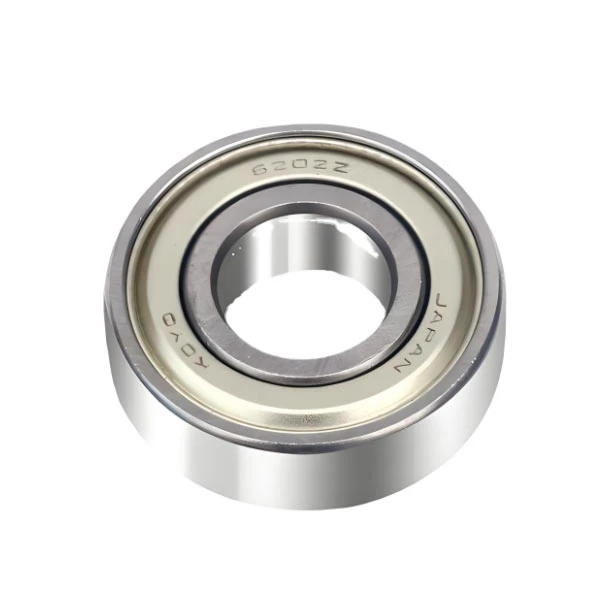
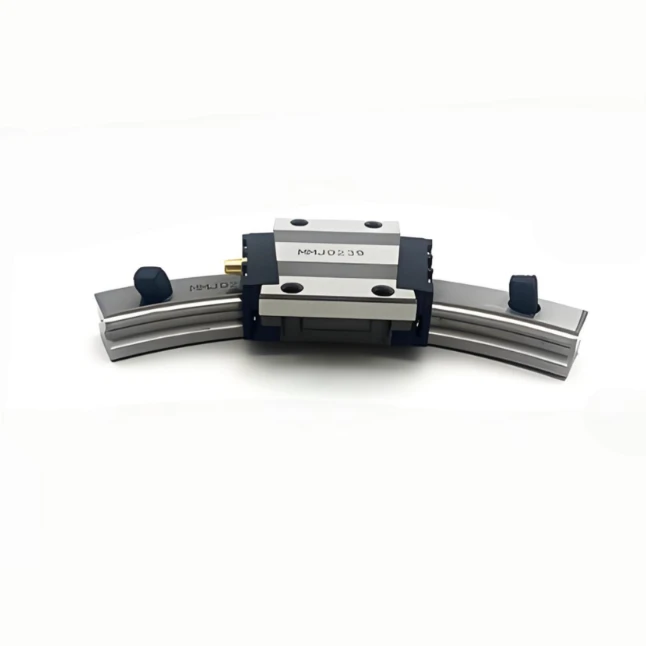
The Brazilian manufacturing sector faces unique challenges due to its diverse climatic conditions, where high humidity and temperature fluctuations in regions like São Paulo and Minas Gerais demand superior corrosion resistance from bearings and sliding components.
Economically, Brazil is transitioning toward Industry 4.0, shifting from heavy manual machinery to automated lines. This transition has spiked the demand for high-precision linear guides that can withstand the rigorous duty cycles of the automotive and aerospace sectors.
Despite strong local industrial bases, there is a critical need for standardized, high-performance linear modules to replace outdated mechanical linkages, reducing downtime and increasing the overall equipment effectiveness (OEE) for Brazilian factories.