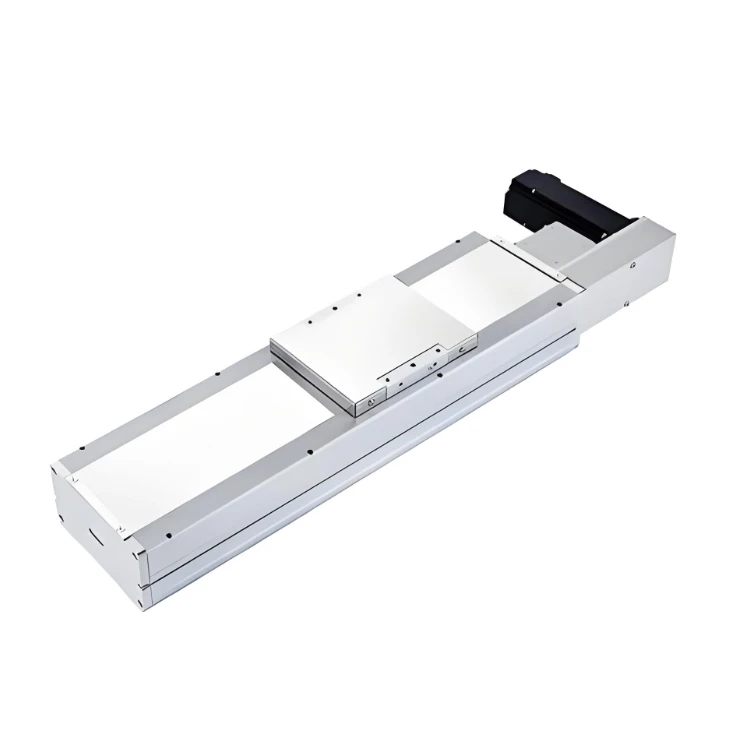
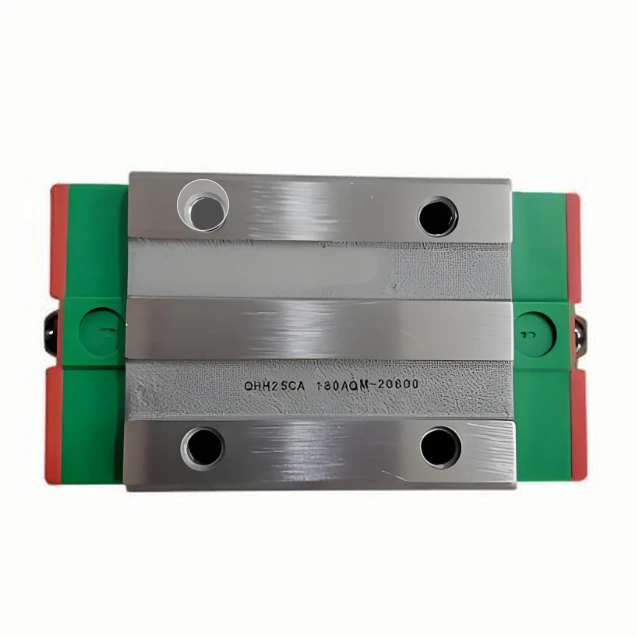
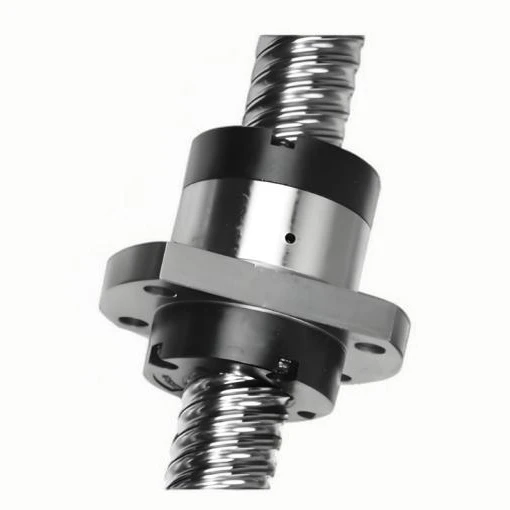
South Korea's manufacturing sector is characterized by an extreme demand for miniaturization and ultra-high precision, driven by the global leadership in semiconductor and OLED display production. In these "Clean Room" environments, the use of high-grade linear guides is critical to eliminate particulate contamination while maintaining micron-level positioning accuracy.
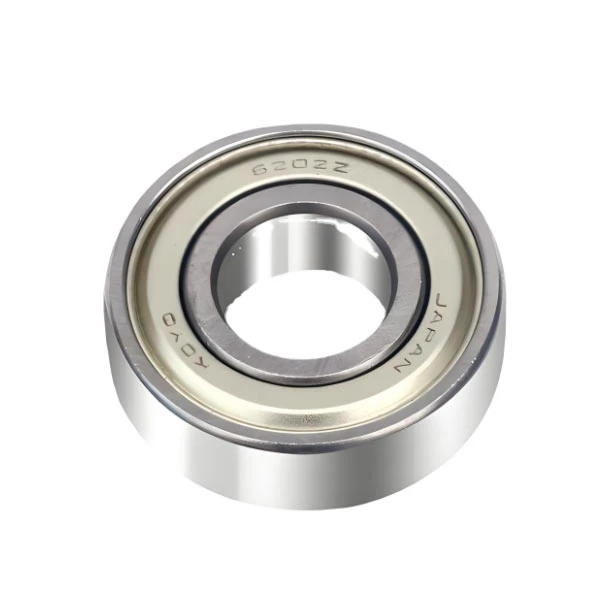
The local economic structure, heavily reliant on automotive giants and electronics conglomerates, has pushed the industry toward "Industry 4.0". This transition requires motion components that can withstand high-speed cycling and heavy loads, making the integration of robust bearings a fundamental requirement for operational stability in Gyeonggi-do and Ulsan industrial hubs.
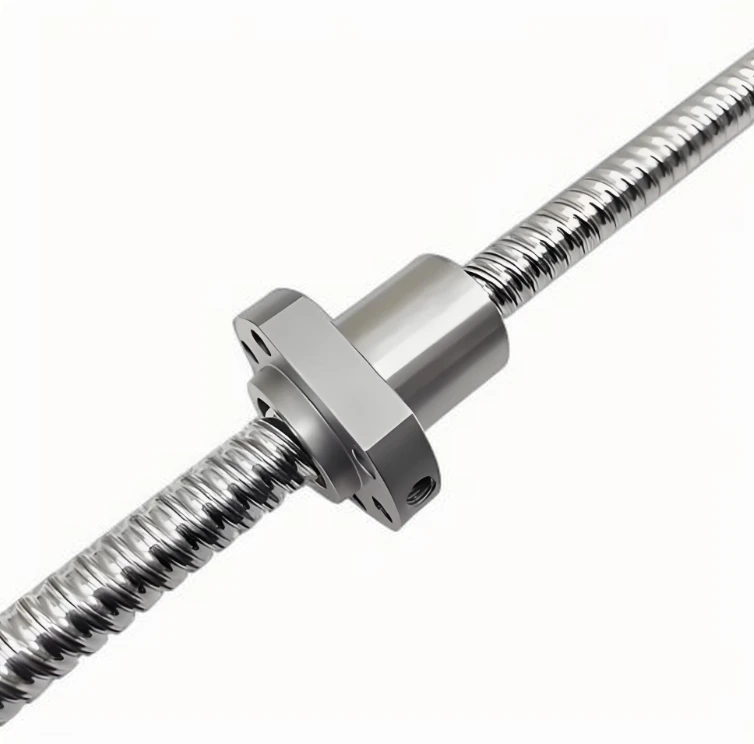
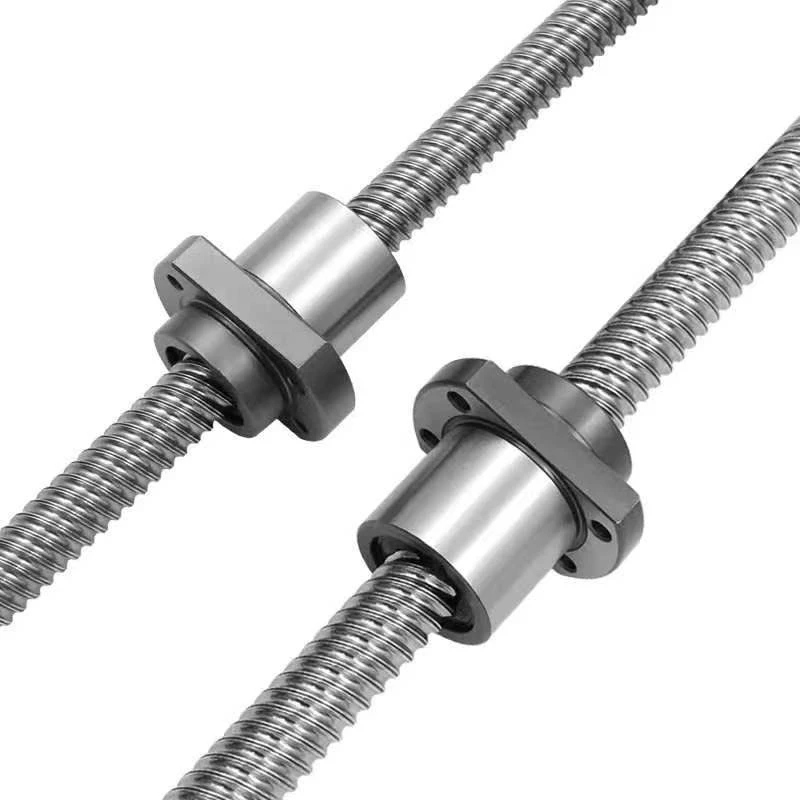
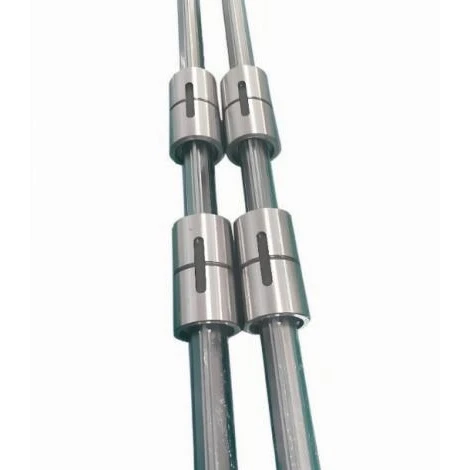
Furthermore, South Korea's aggressive adoption of collaborative robots (cobots) has shifted the market focus toward lightweight yet rigid transmission systems. The demand for specialized ball splines has grown as manufacturers seek to combine rotational and linear movement in compact spatial footprints typical of urban Korean factories.