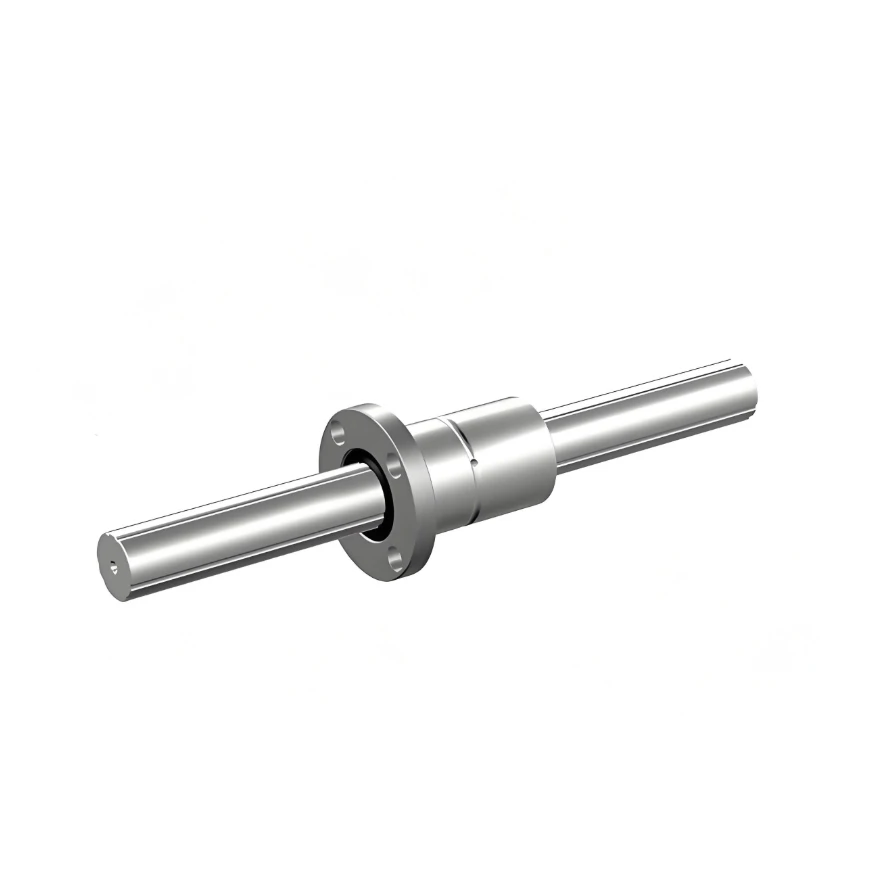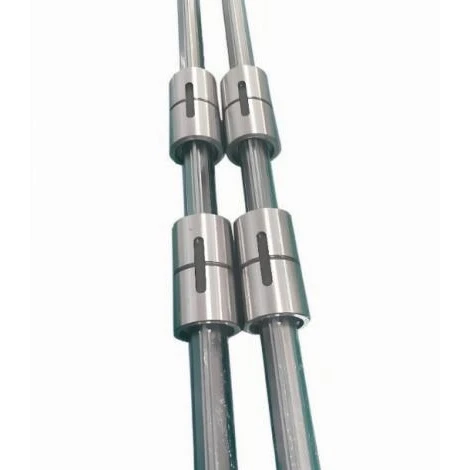
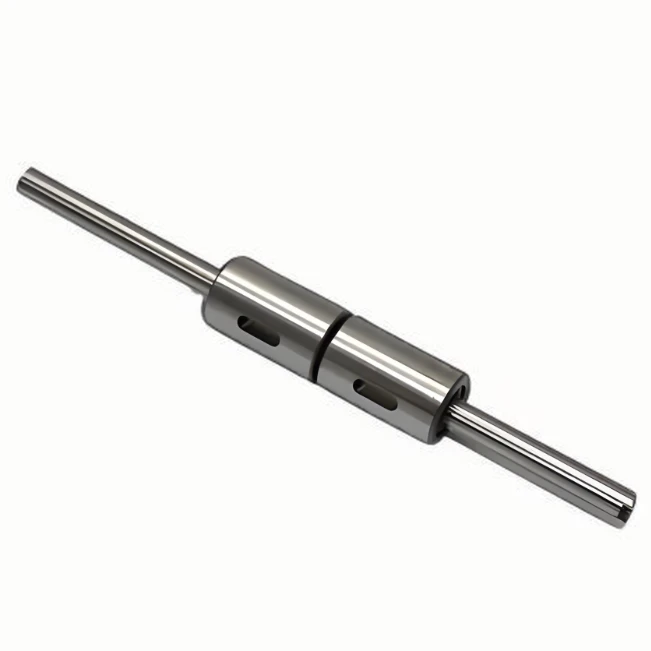
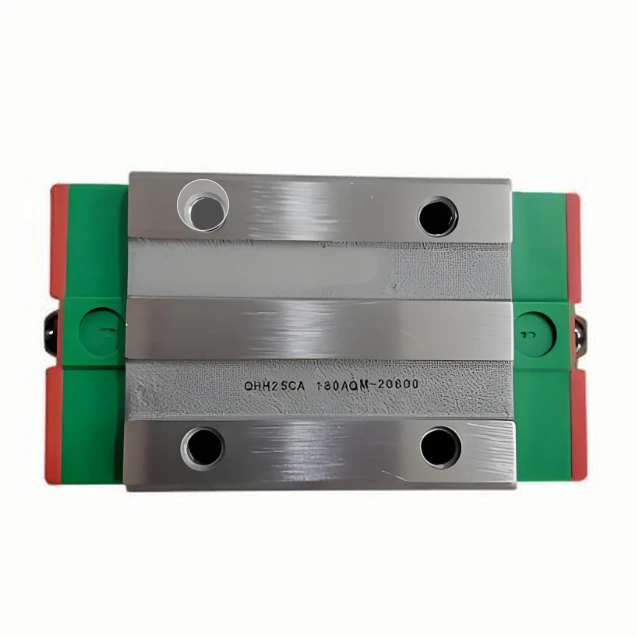
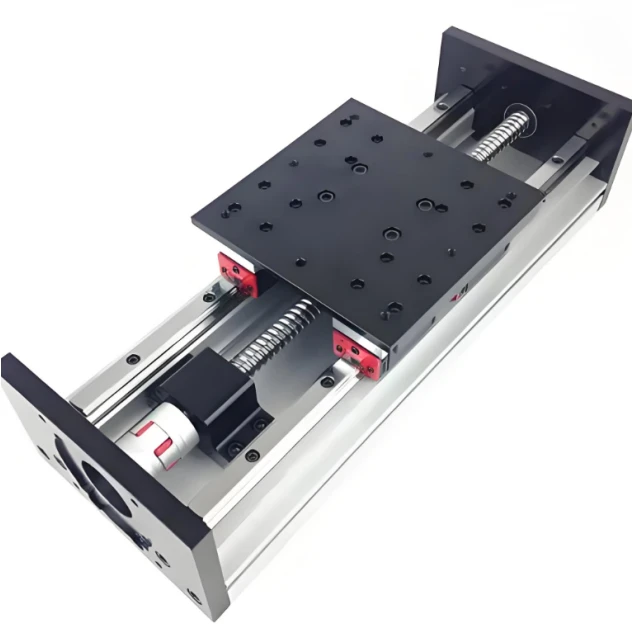
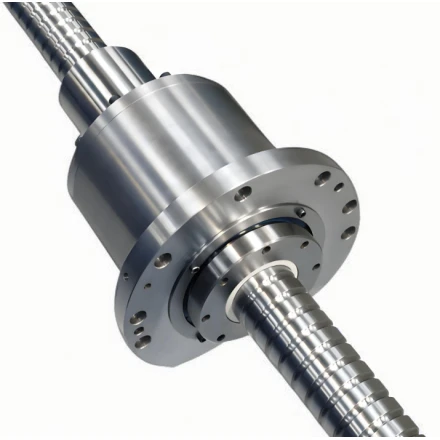
Precision Ball Screws Solutions for New Zealand Industry

Empowering Oceania's manufacturing sector with high-load capacity and micron-level accuracy in linear motion components.

Industrial Motion Landscape in New Zealand

Analyzing the adoption of high-precision transmission components in Oceania's unique economic environment.

New Zealand's manufacturing sector is characterized by a strong emphasis on agri-tech and specialized food processing. The high humidity and coastal saline environments across the North and South Islands demand that bearings and motion components possess superior corrosion resistance and sealing capabilities to prevent premature failure.

The regional market is shifting from general-purpose mechanical parts to highly integrated linear modules. This transition is driven by the need for increased automation in dairy processing and sustainable forestry equipment, where reliability in remote locations is critical due to high maintenance costs.

Current procurement trends in Oceania show a growing preference for modularity. Engineers are increasingly specifying linear guides that can be easily swapped or upgraded, reducing downtime for critical production lines in Auckland and Christchurch's industrial hubs.
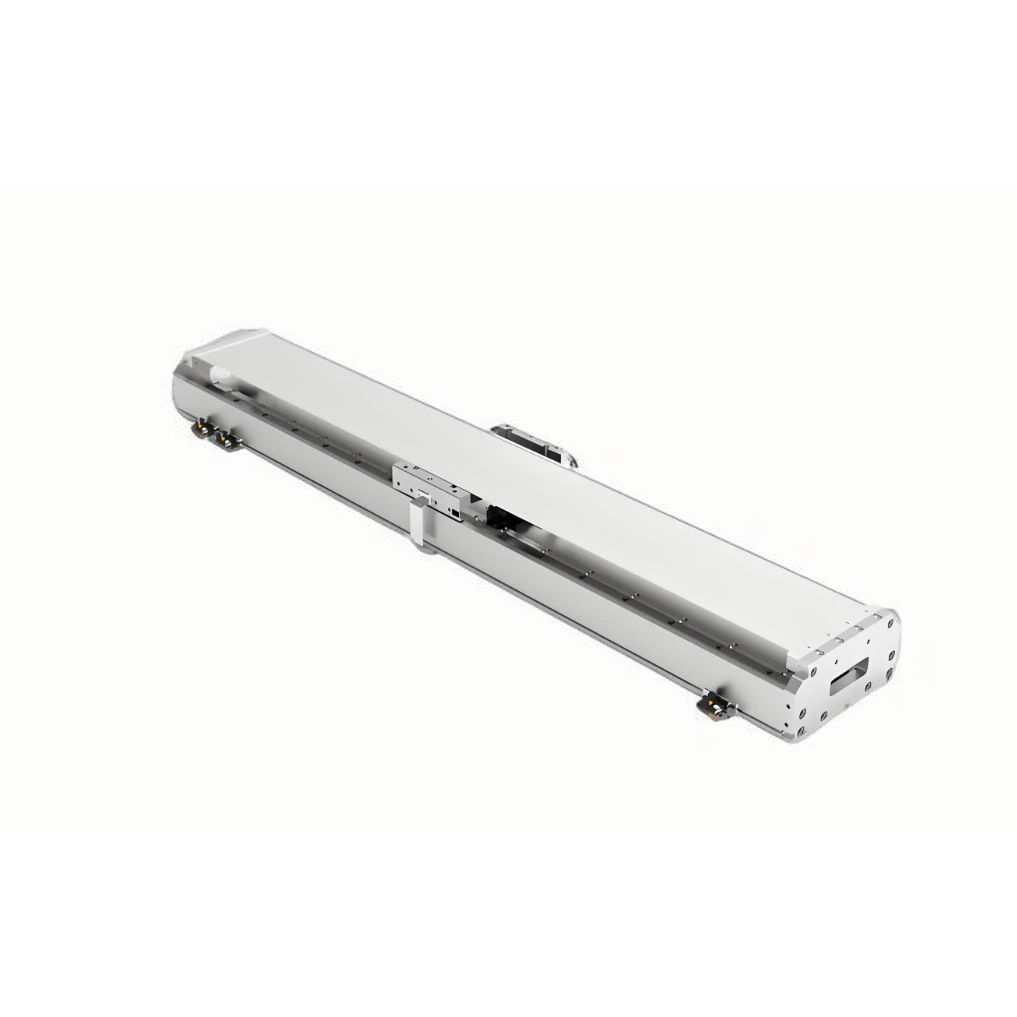
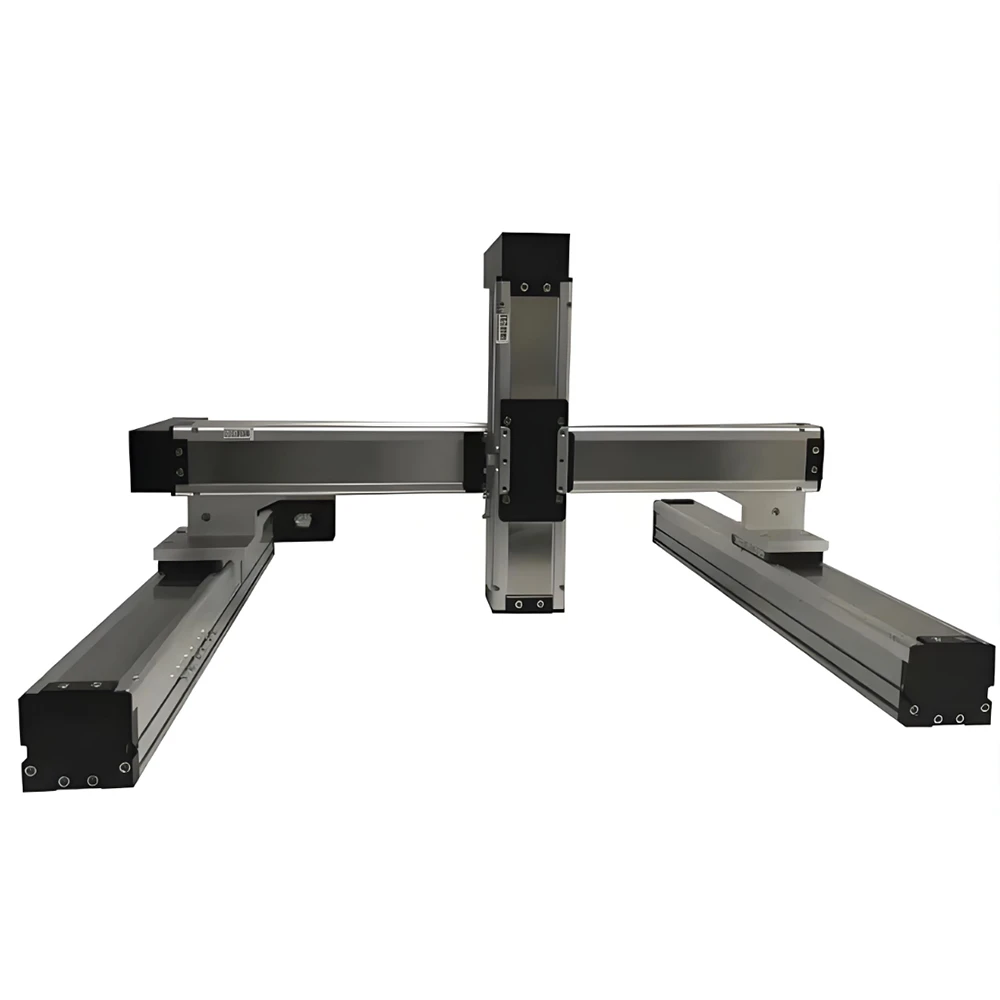
Evolution of Linear Motion Technology in Oceania

From traditional mechanical slides to intelligent, high-precision transmission systems.

Market Development History

Prior to 2010, the New Zealand market relied heavily on traditional lubricated slides and basic ball bearings. These systems provided the necessary support but lacked the precision required for the burgeoning automated packaging and medical device sectors emerging in the region.

Between 2011 and 2020, there was a significant pivot toward precision ball screws. The introduction of CNC machinery in local workshops necessitated a shift toward components that could maintain sub-micron accuracy under varying thermal conditions common in New Zealand's seasonal shifts.

From 2021 onwards, the industry has entered the era of "Smart Motion," where ball splines and integrated actuators are being used to create multi-axis robotic systems, optimizing space and energy efficiency in compact urban factories.

Future Development Trends

Integration of IoT Sensors

Future systems will feature embedded sensors within the guides to monitor wear and lubrication levels in real-time, reducing unplanned downtime for remote NZ farms.

Eco-Friendly Material Coatings

A shift toward chrome-free and sustainable coatings to meet New Zealand's stringent environmental regulations and "Clean Green" industrial mandates.

Hyper-Precision Compactness

Miniaturization of components to support the growth of high-tech medical laboratories and micro-electronics assembly plants within Oceania.

Strategic Outlook for Linear Motion in New Zealand

Forecasting the trajectory of precision transmission components for 2025-2030.

Predictive Maintenance
Transitioning from scheduled replacement to condition-based monitoring using vibration analysis in bearings.
Robotic Synergy
Increased integration of ball splines into 6-axis robotic arms for the NZ food packaging industry.
Customization Trends
Rise in bespoke linear module configurations to fit unique legacy machinery common in NZ factories.
Energy Efficiency
Developing low-friction coatings to reduce power consumption in high-cycle automated lines.

Industry Outlook

Based on Google search trends in the Oceania region, there is a marked increase in queries related to "automated precision motion" and "industrial linear actuators." This indicates that New Zealand businesses are moving away from manual operation toward fully autonomous workflows.

Over the next 3-5 years, we anticipate that the convergence of high-precision mechanical components and AI-driven control systems will redefine the efficiency of the New Zealand general equipment manufacturing sector, focusing heavily on sustainable productivity.

Localized Application Scenarios in New Zealand

Real-world implementation of precision linear motion in New Zealand's key industries.

01. Automated Dairy Processing Lines

Utilizing stainless-steel linear guides to ensure hygienic, smooth movement of bottling and capping machinery in the Waikato region.

02. High-Precision Forestry Milling

Implementing heavy-duty ball screws in automated timber cutting systems to ensure consistent dimensions in New Zealand's export-grade lumber.

03. Wine Production Automation

Integrating compact linear modules for precision labeling and packaging in Marlborough's vineyard facilities.

04. Aerospace Component Testing

Using high-rigidity bearings in specialized testing rigs for New Zealand's emerging aerospace and defense startups.

05. Medical Device Manufacturing

Applying precision ball splines in the assembly of surgical instruments and diagnostics equipment in Auckland's biotech hubs.

Brand Story

Global Development Journey of Hebei Yidi Import and Export Trade Co., Ltd.

Foundation and Focus

Established with a vision to bridge the gap between high-end precision engineering and global industrial accessibility, focusing on core linear motion technologies.

Technical Breakthroughs

Invested heavily in R&D to solve common industry pain points such as friction heat and premature wear in high-load environments.

Global Expansion

Successfully expanded our footprint into the Oceania market, tailoring product specifications to meet the unique environmental challenges of New Zealand.

Quality Certification

Achieved international quality benchmarks, ensuring every component shipped meets the strictest tolerances for precision and durability.

Future Vision

Striving to become the primary partner for New Zealand manufacturers in their journey toward Industry 4.0 and sustainable automation.

Common Questions for NZ Industrial Motion

Expert answers to the most frequent technical queries from New Zealand engineers.

How to choose the right linear guides for coastal New Zealand environments?

For coastal areas, we recommend using stainless steel or specialized corrosion-resistant coatings to prevent salt-air oxidation and ensure long-term smooth operation.

What is the typical lead time for custom ball screws delivered to Oceania?

Lead times vary by specification, but we optimize logistics to ensure precision components reach New Zealand ports efficiently via streamlined shipping channels.

Can your linear modules be integrated with existing PLC systems in NZ?

Yes, our modules are designed for universal compatibility with standard industrial controllers and PLCs used across Oceania's manufacturing sectors.

Which bearings are best suited for high-vibration agri-tech machinery?

We recommend high-capacity spherical or tapered roller bearings that can accommodate slight misalignments and withstand the rugged conditions of rural New Zealand.

What are the maintenance requirements for ball splines in food-grade facilities?

Use food-grade H1 lubricants and ensure regular cleaning cycles to prevent residue buildup, maintaining the high-precision movement required for packaging.

How does temperature fluctuation in the South Island affect precision motion?

Extreme temperature shifts can cause thermal expansion. We provide components with optimized preload and materials that minimize thermal deformation.

Get Expert Engineering Support

Ready to optimize your production line with world-class precision components in New Zealand?

Contact Us Now

If you are interested in our products, you can choose to leave your information here, and we will be in touch with you shortly.


3_3ricon1-webp17404468391174113810811 819_2025032815201169958.png

If you are interested in our products, you can choose to leave your information here, and we will be in touch with you shortly.