Romania's manufacturing landscape, particularly in hubs like Cluj-Napoca and Timișoara, is currently undergoing a rapid shift towards automation. The demand for high-performance bearings has surged as local automotive suppliers integrate more robotic assembly lines to meet EU quality standards.
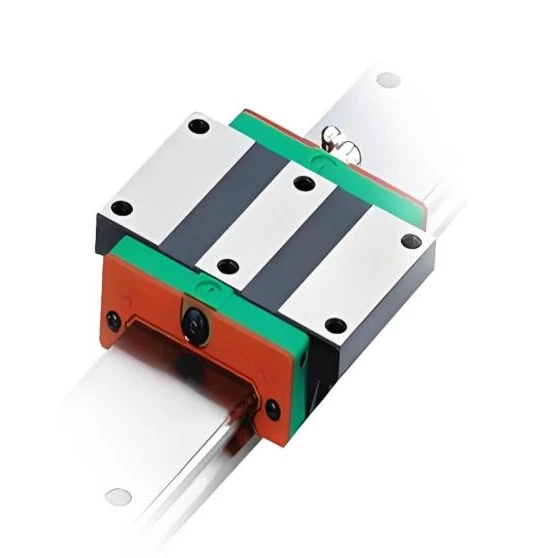
Given the regional climatic variations and the prevalence of heavy-duty machinery in the Carpathian industrial zones, there is a critical need for components that resist wear and corrosion. This has led to an increased adoption of specialized linear modules that offer both rigidity and long-term reliability in fluctuating temperatures.
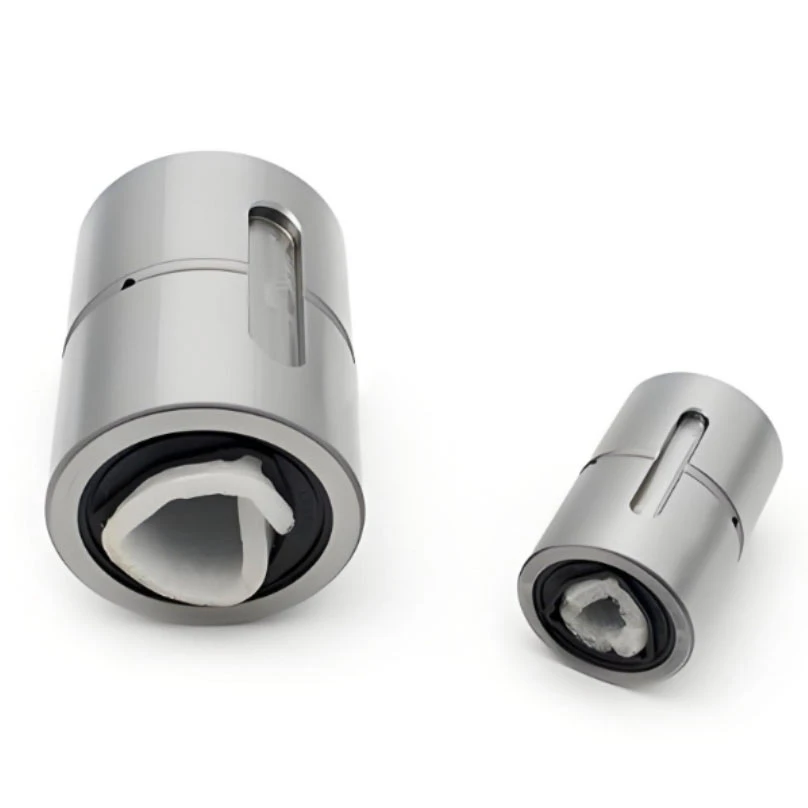
Despite the growth, many Romanian workshops still rely on legacy mechanical systems. The transition to precision ball splines is accelerating as the aerospace sector in Bucharest demands tighter tolerances and more complex rotational-linear movements.