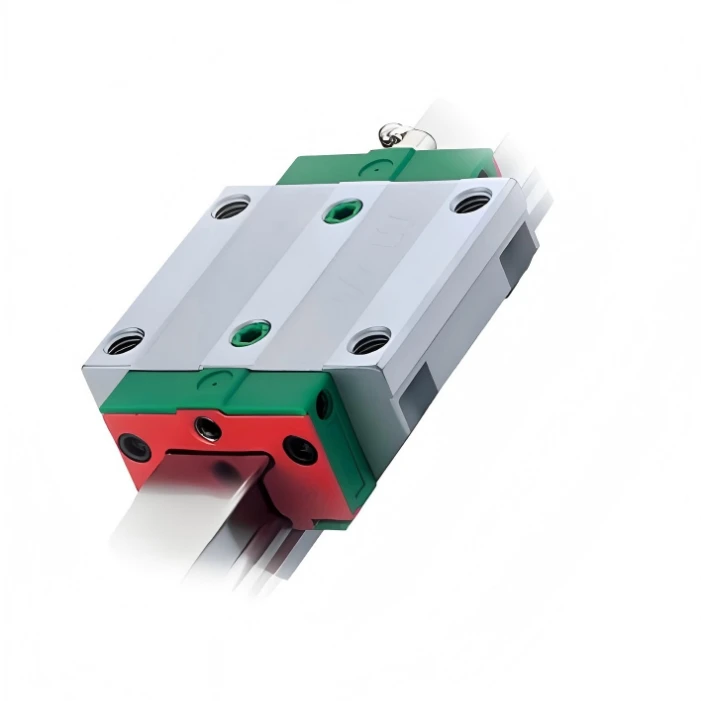
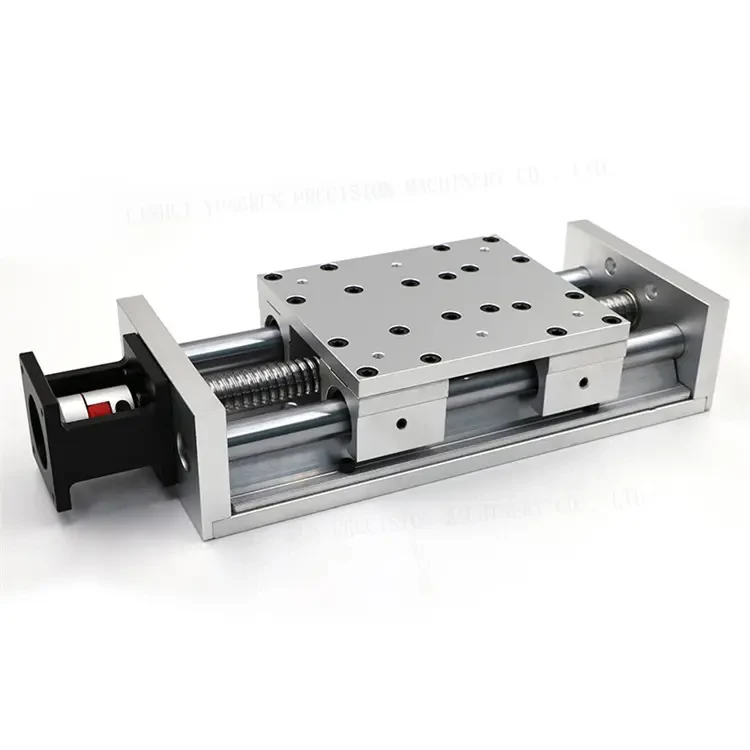
High-Precision Ball Screws Solutions for Nigeria's Industrial Growth

Driving the modernization of Nigerian manufacturing with world-class linear motion components designed for durability and precision in challenging environments.

The State of Linear Motion Technology in Nigeria

Analyzing the intersection of industrial demands and environmental challenges in West Africa's largest economy.

In Nigeria, the manufacturing landscape is currently transitioning from basic mechanical assemblies to automated precision systems. However, the high humidity of coastal regions like Lagos and the dust-heavy environments of the north place extreme stress on bearings and guiding systems, leading to premature wear and frequent downtime.

The local market relies heavily on imported components, but there is a growing demand for "ruggedized" precision. Many factories are discovering that standard components fail quickly due to inconsistent power grids causing abrupt machine stops, which necessitates the use of high-load capacity linear guides that can withstand shock loads.

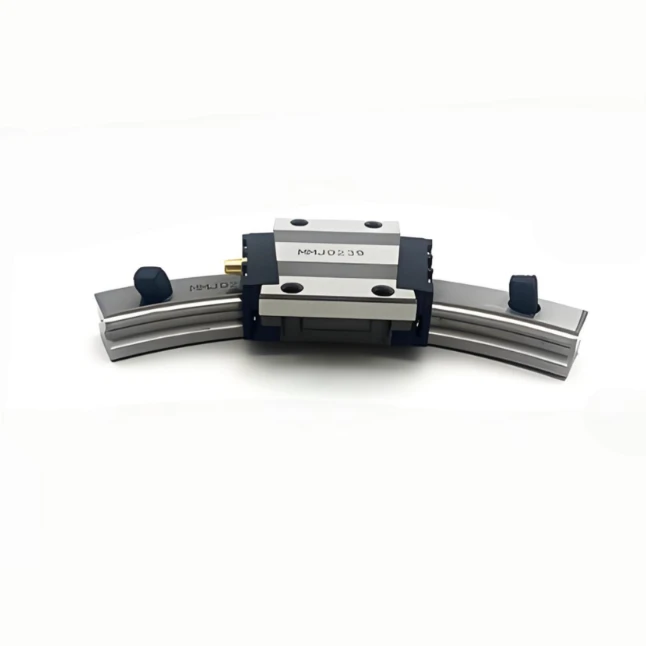
Economically, the shift toward local value addition in the oil, gas, and agricultural processing sectors is creating a surge in demand for integrated linear modules. The industry is moving away from simple sliding friction towards recirculating ball technology to reduce energy consumption and increase output.
Evolution of Motion Components in Nigeria

From manual mechanical drives to intelligent automated linear systems.

Market Development History

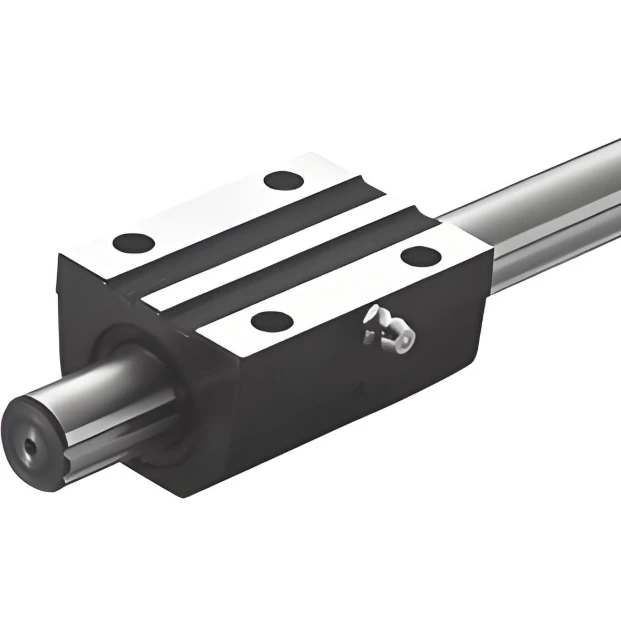
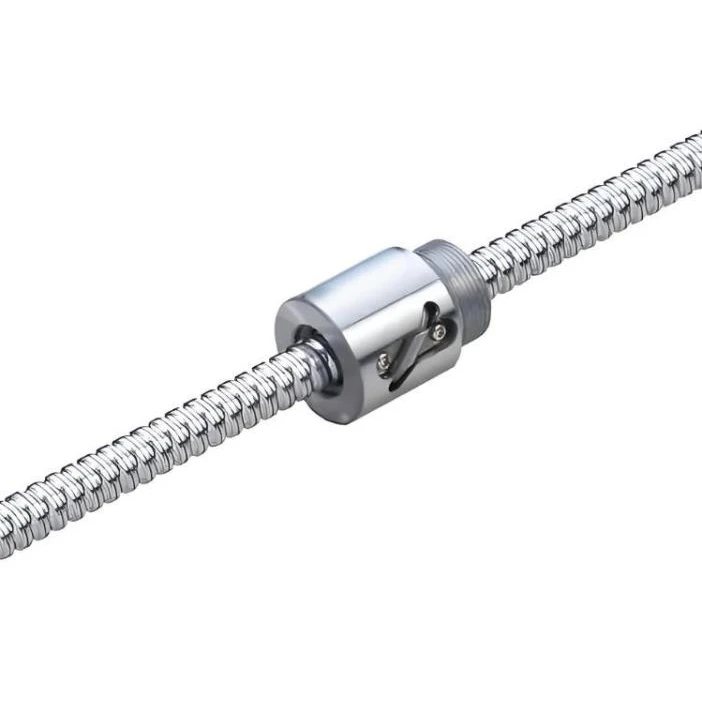
Prior to 2010, most Nigerian equipment relied on traditional bronze bushings and lead screws. These systems provided basic movement but lacked the precision required for modern CNC machining or automated packaging, resulting in low tolerances and high maintenance costs.

Between 2010 and 2020, the introduction of basic ball splines and precision bearings allowed for the growth of small-scale fabrication shops. This period marked the transition from "manual operation" to "semi-automation," where precision became a competitive advantage for local manufacturers.

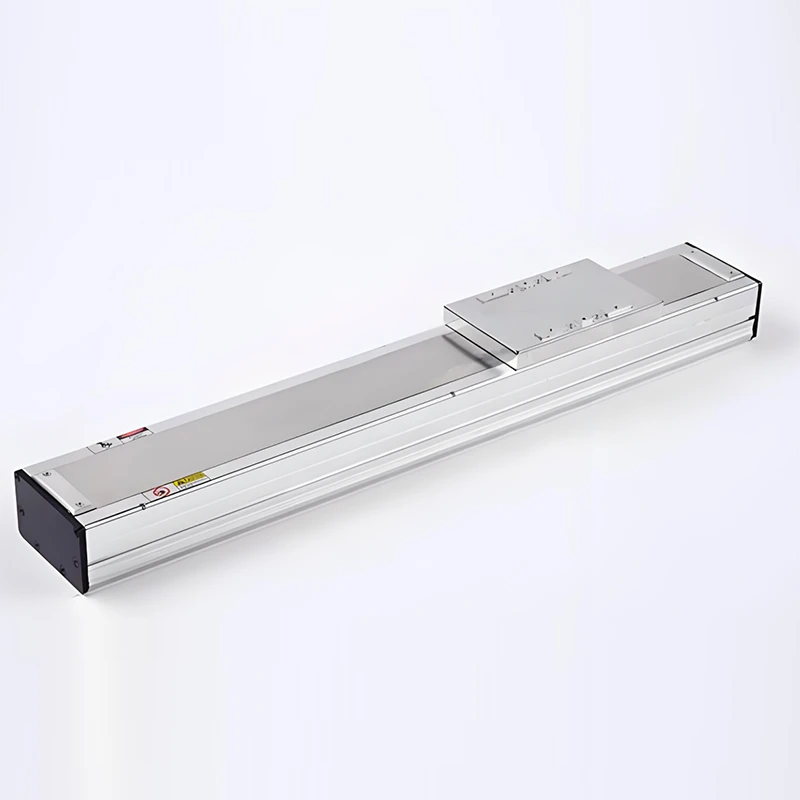
Since 2021, the focus has shifted toward full system integration. The adoption of modular linear motion units has allowed Nigerian enterprises to rapidly scale their production lines, incorporating high-speed movement and micron-level accuracy to meet international export standards.

Future Development Trends

IoT-Integrated Monitoring

Predictive maintenance is becoming critical. We expect a rise in smart components that signal wear before failure, reducing the cost of emergency imports into Nigeria.

Environmental Adaptation

The development of specialized coatings for linear components to resist tropical corrosion and abrasive dust will be the primary technical driver over the next 3 years.

Energy-Efficient Kinematics

As power costs rise, the industry will pivot toward ultra-low friction systems to minimize the electrical load on factory generators and grids.

Industry Trends & Future Outlook

Strategizing for the next era of Nigerian industrial automation.

Anti-Corrosion Coatings
Implementing advanced surface treatments to combat Nigeria's high humidity and salty coastal air.
Modularization
Transitioning to plug-and-play linear units to reduce installation time in local factories.
High-Load Density
Developing components capable of handling the heavy-duty requirements of Nigerian mining and oil equipment.
Precision Scaling
Expanding the use of micron-level accuracy in the local food and pharmaceutical packaging sectors.

Industry Outlook

Based on Google search trends in West Africa, there is a significant spike in queries related to "automation efficiency" and "CNC parts replacement." This indicates that Nigerian manufacturers are no longer just looking for the cheapest parts, but for components that offer the lowest Total Cost of Ownership (TCO).

Over the next 5 years, we anticipate that the integration of linear modules will become the standard for any new factory setup in Nigeria, as the move toward Industry 4.0 gains momentum in the Lagos-Kano industrial corridor.

Localized Applications in Nigeria

Practical implementation of linear motion technology in Nigeria's core industries.

1. Agricultural Processing Automation

Using linear guides and ball screws in palm oil extraction and cassava processing plants to automate the sorting and packaging lines, reducing manual labor and increasing hygiene.

2. Oil & Gas Equipment Maintenance

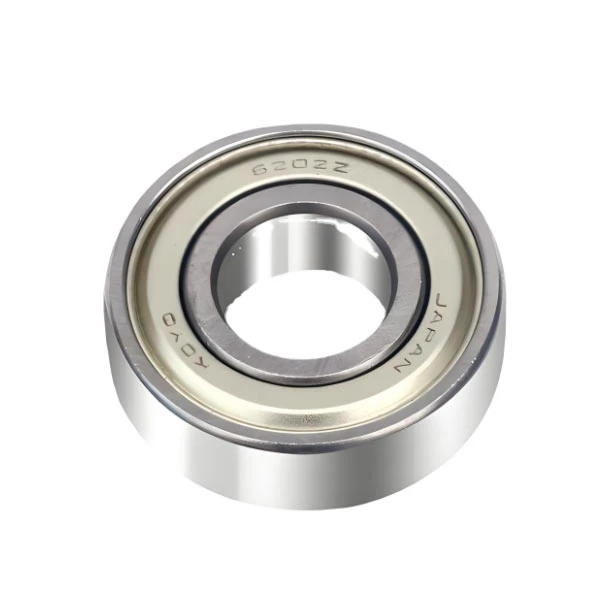
Implementing heavy-duty bearings and ball splines in valve actuators and drilling rig components to ensure smooth movement under extreme pressure and corrosive salt-spray environments.

3. Pharmaceutical Packaging Lines

Deploying high-precision linear modules for the accurate filling and sealing of medicine bottles in Lagos-based pharma hubs, ensuring strict adherence to international quality standards.

4. Textile Machinery Retrofitting

Replacing worn-out sliding parts with recirculating ball systems in traditional textile looms to increase weaving speed and reduce fabric defects.

5. Automotive Component Fabrication

Integrating precision linear guides in local automotive assembly and part fabrication shops to improve the accuracy of metal cutting and stamping processes.

Brand Story

Global Development Journey of Hebei Yidi Import and Export Trade Co., Ltd.

The Foundation of Precision

Established with a vision to bridge the gap between high-end engineering and industrial accessibility, focusing on the core physics of motion control.

Quality Standardization

Developing a rigorous QC system that ensures every component meets international tolerances, regardless of the destination market.

Global Market Expansion

Expanding our reach to emerging markets in Africa and Southeast Asia, tailoring our product specs to local environmental challenges.

Solving Industrial Pain Points

Specializing in solving the "downtime crisis" for manufacturers by providing high-durability alternatives to standard motion parts.

Commitment to Future Tech

Investing in the next generation of friction-reducing materials to lead the transition toward sustainable, energy-efficient manufacturing.

Industrial Motion FAQ - Nigeria

Expert answers to common technical challenges faced by Nigerian manufacturers.

How to prevent rust in linear guides in coastal Lagos?

We recommend using components with black chrome or specialized anti-corrosion plating, combined with a high-viscosity lubricant that forms a protective barrier against salty air.

What is the best ball screws grade for CNC machines in Nigeria?

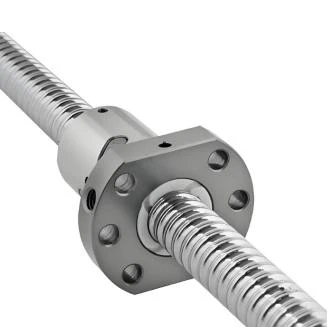
For most industrial applications in Nigeria, C7 grade provides the best balance of cost and precision, while C5 is recommended for high-precision medical or aerospace tooling.

How often should industrial bearings be lubricated in dusty environments?

In dusty environments like the Nigerian interior, we recommend a lubrication cycle every 2-4 weeks or using sealed bearing units to prevent contaminant ingress.

Can linear modules be easily integrated into existing manual machinery?

Yes, our modular designs are compatible with most standard servo and stepper motors, allowing for a seamless upgrade from manual to automated movement.

What are the advantages of ball splines over traditional keys?

Ball splines offer zero-backlash and much lower friction, which is critical for the precise indexing required in modern Nigerian packaging automation.

How do I choose the right load capacity for linear motion components?

Calculate the static and dynamic loads including a safety factor of 1.5 to account for the abrupt start-stop cycles common in regions with unstable power supplies.

Ready to Optimize Your Production?

Consult with our engineers to find the perfect motion control components for your facility in Nigeria.

Contact Us Now

If you are interested in our products, you can choose to leave your information here, and we will be in touch with you shortly.


3_3ricon1-webp17404468391174113810811 819_2025032815201169958.png

If you are interested in our products, you can choose to leave your information here, and we will be in touch with you shortly.