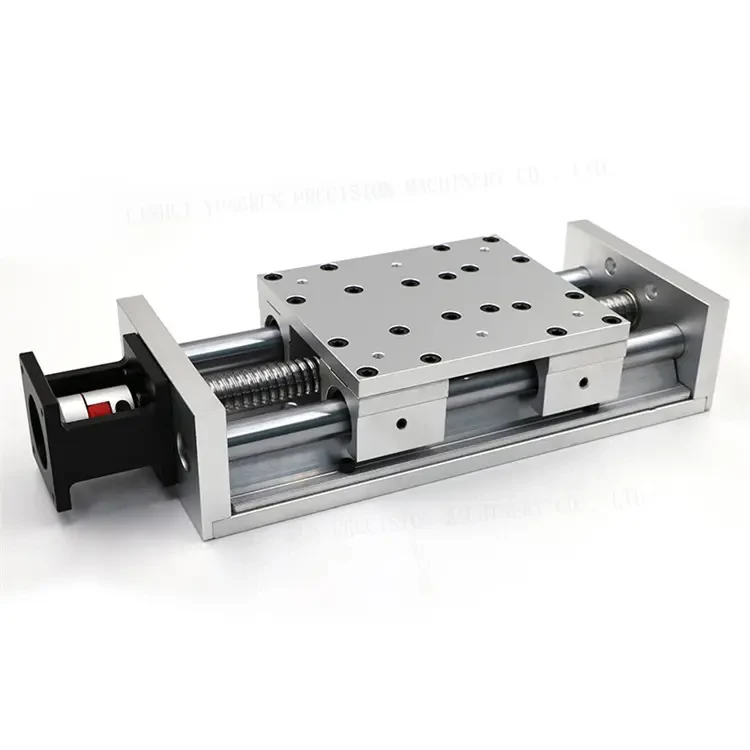
The industrial landscape in Iraq is currently undergoing a significant transition, moving from heavy reliance on legacy Soviet-era machinery to modern automated systems. However, the extreme desert climate—characterized by high temperatures and airborne particulate matter—creates a harsh environment for linear modules, leading to accelerated wear and lubrication failure.
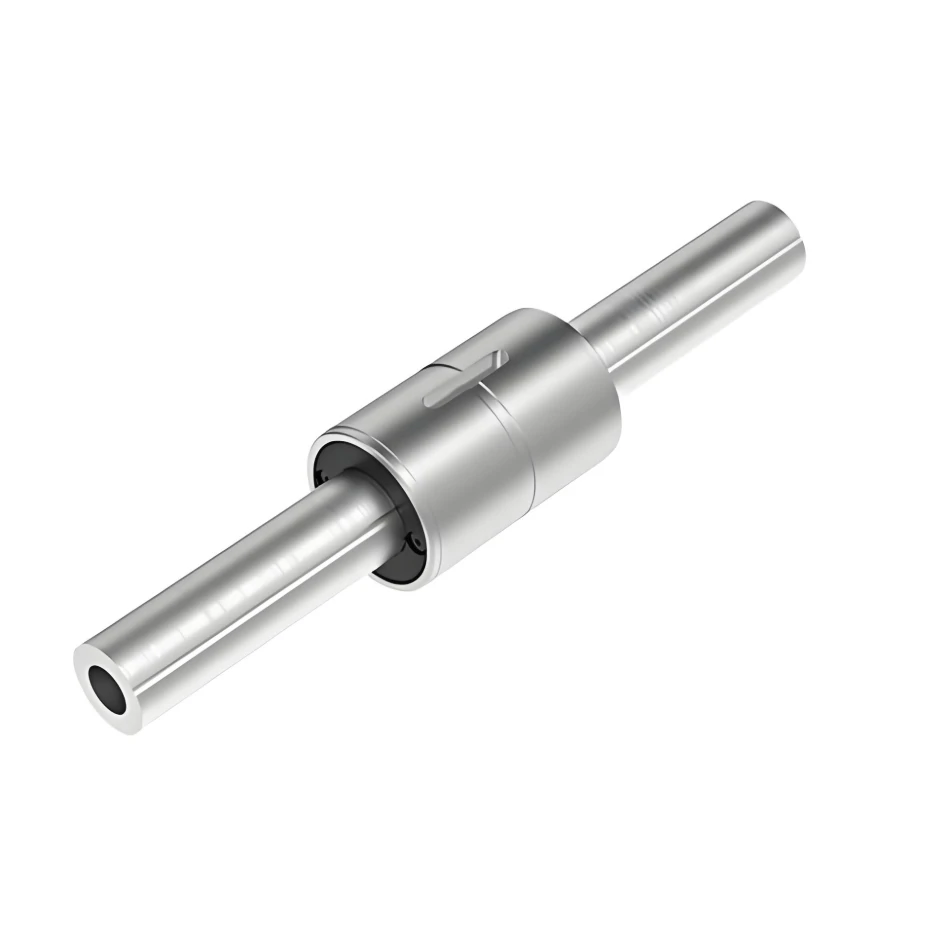
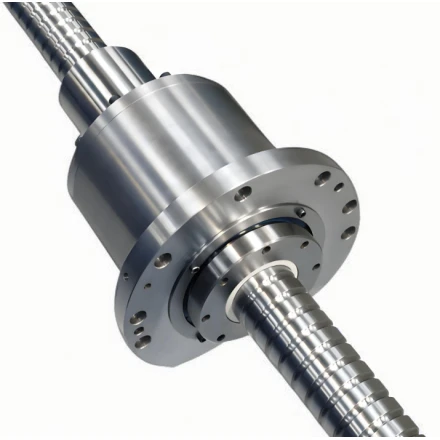
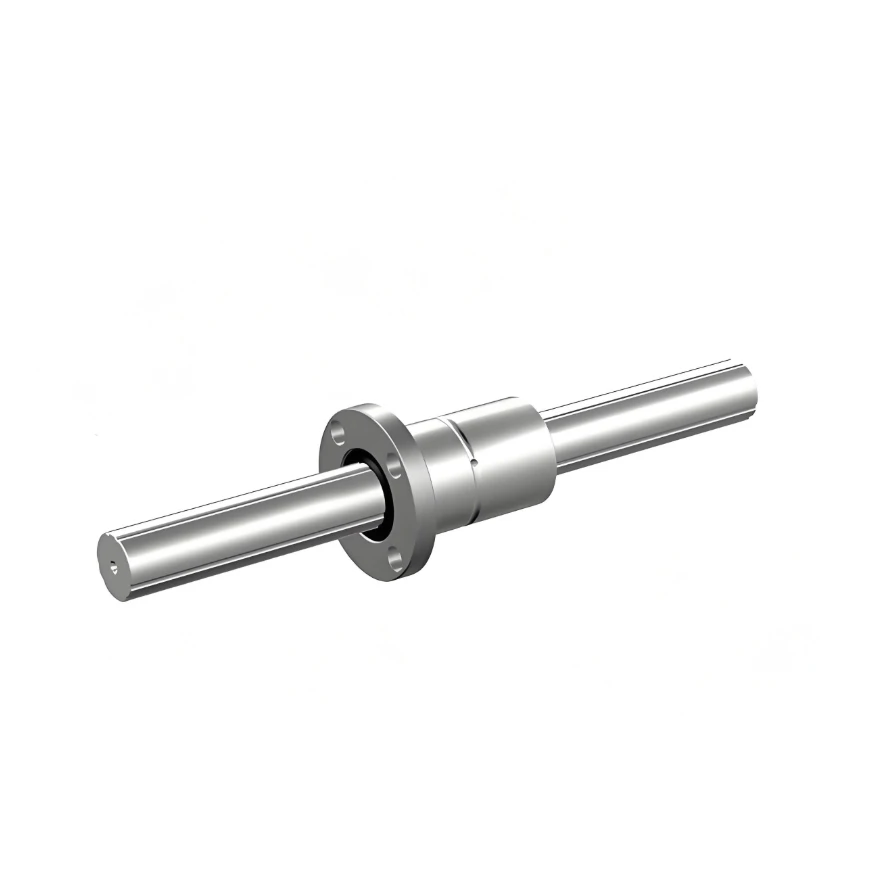
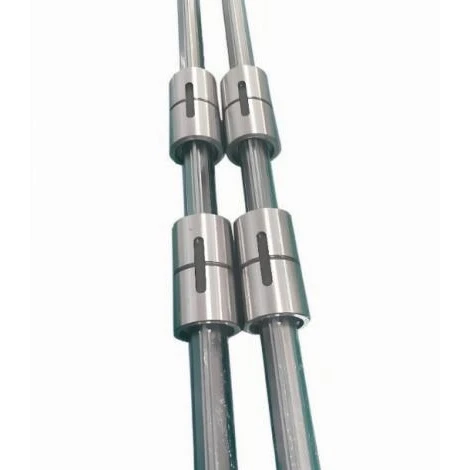
Local manufacturers in sectors like oil refining and construction equipment are increasingly demanding components that can withstand thermal expansion. There is a noticeable shift toward seeking high-grade ball splines that offer both torque transmission and linear guidance without compromising on precision under volatile temperature swings.
Currently, the market is bifurcated between high-cost European imports and low-cost alternatives. This has created a critical gap for mid-to-high range precision components that balance cost-efficiency with the ruggedness required for the Iraqi industrial environment, particularly for heavy-duty motion systems.