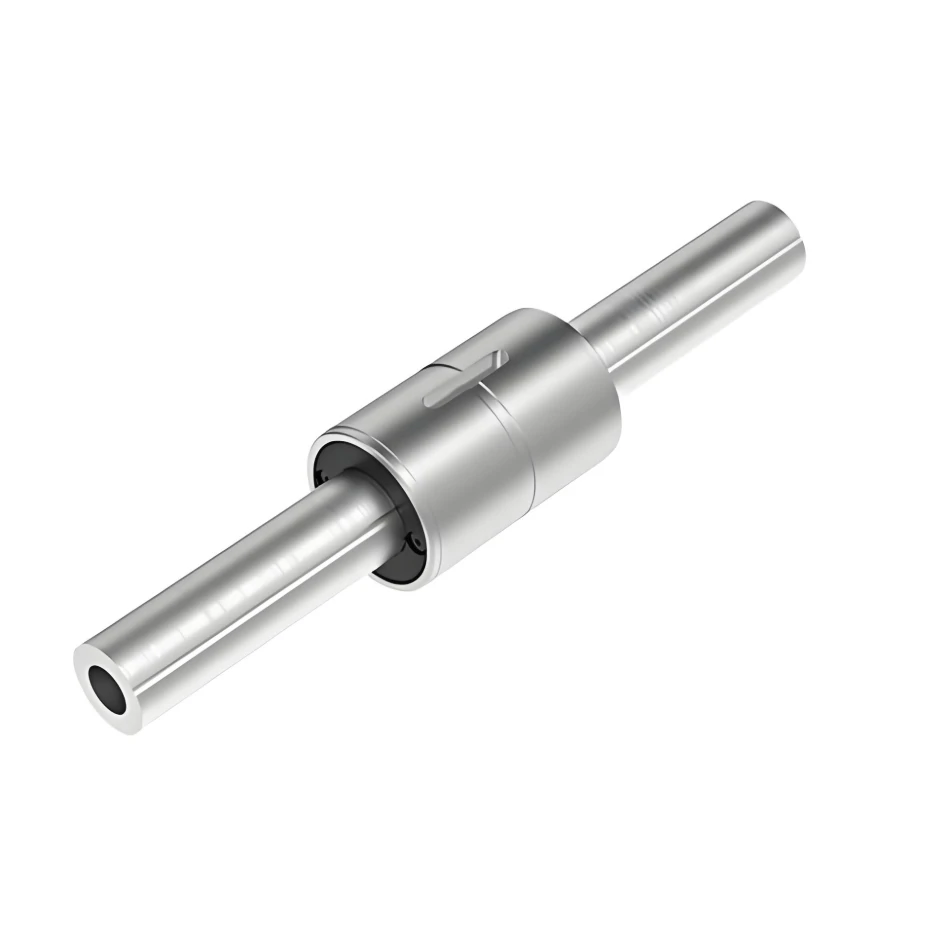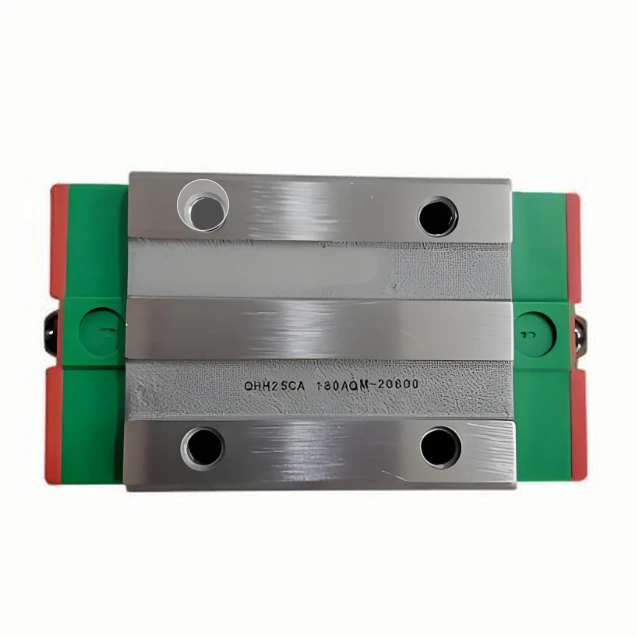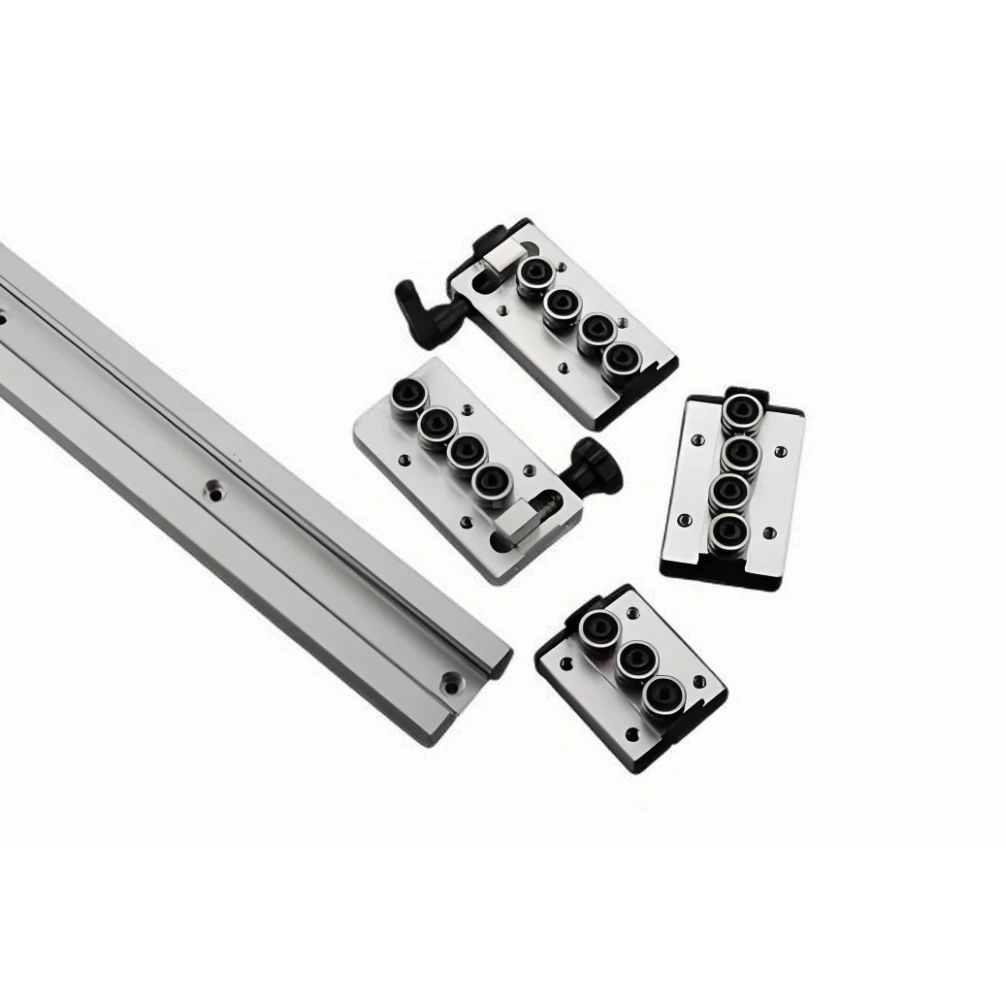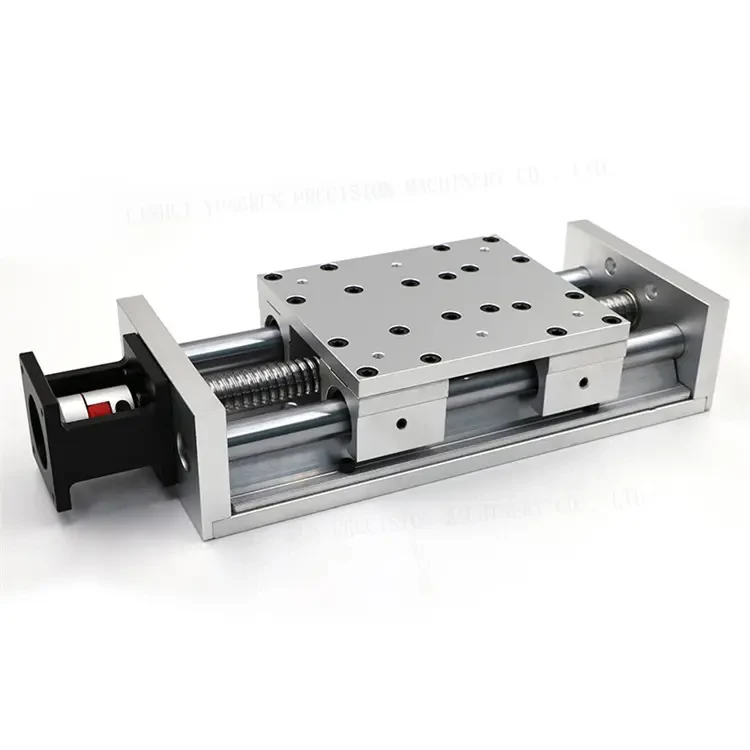
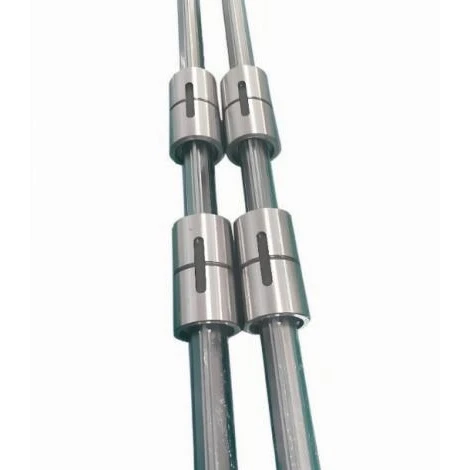
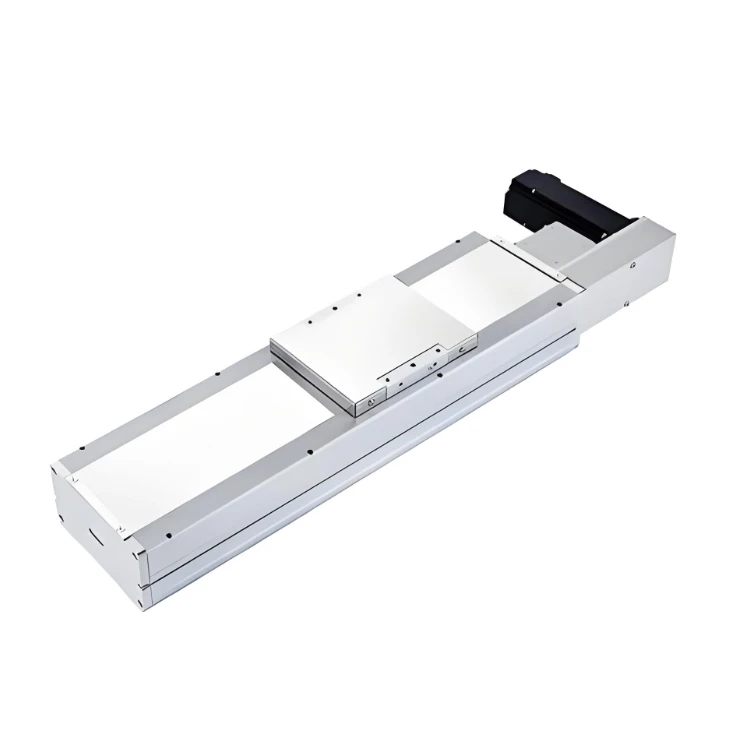
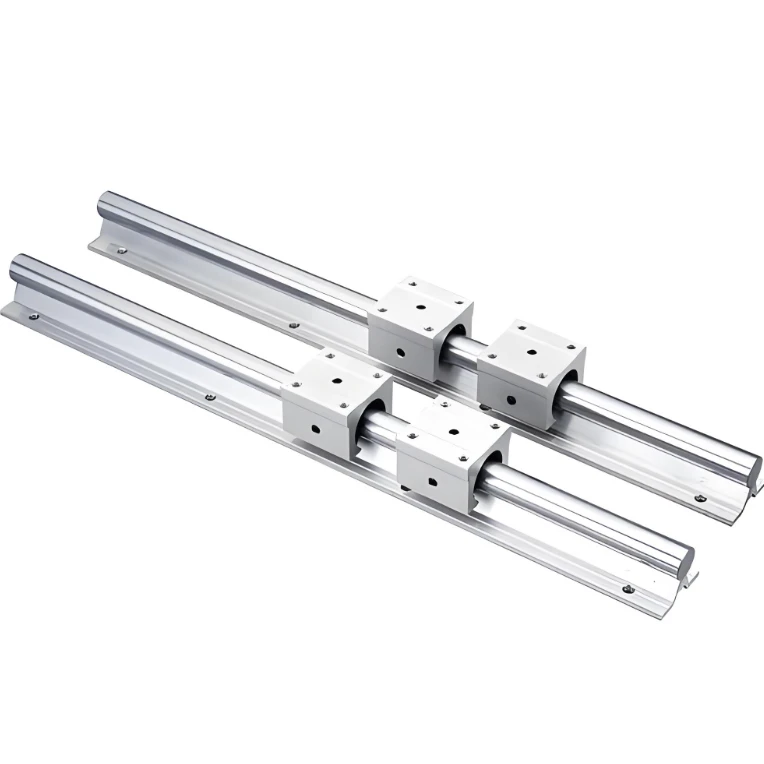
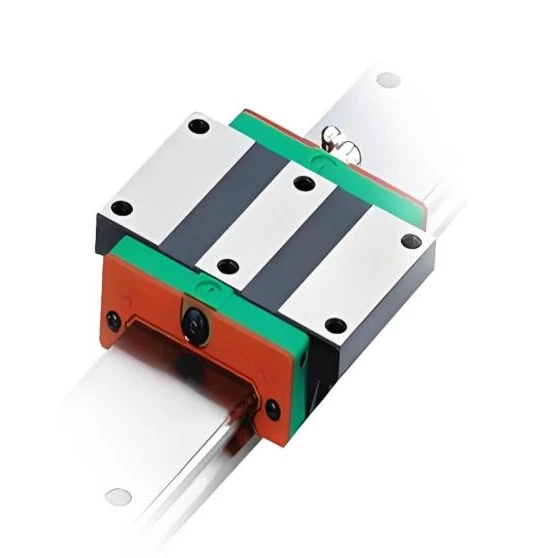
Germany's manufacturing sector is currently defined by the transition toward "Industrie 4.0," where the integration of linear modules is critical for creating flexible, automated production lines. The demand for extreme repeatability and micron-level accuracy is a baseline requirement for the local automotive and medical device industries.
Environmental regulations in Germany have pushed the industry toward energy-efficient motion. This has led to a surge in the adoption of low-friction bearings and optimized lubrication systems that reduce power consumption and minimize industrial waste in accordance with EU green directives.
Despite the high technological maturity, German SMEs (Mittelstand) face significant challenges regarding supply chain resilience. There is a growing trend toward diversifying sources for high-end linear guides to ensure that production downtime is minimized while maintaining strict quality adherence.