Portugal's manufacturing sector is currently undergoing a digital transformation, particularly in the automotive and textile hubs of Porto and Lisbon. The adoption of bearings with higher durability is critical due to the coastal humidity and saline air, which often accelerate corrosion in industrial environments.
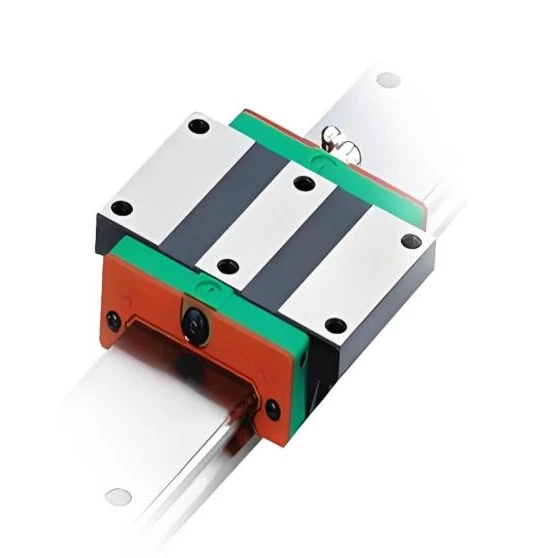
The demand for linear modules has surged as local SMEs shift toward "Industry 4.0," requiring modularity and rapid reconfiguration to remain competitive in the European Single Market. Precision and energy efficiency have become the primary KPIs for Portuguese engineers.
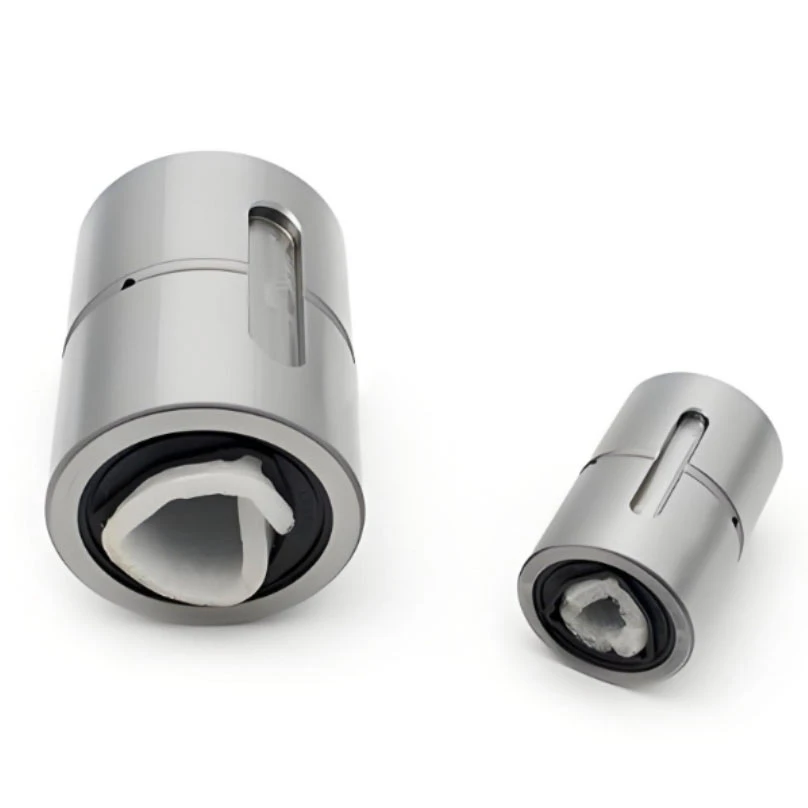
Despite the transition, there remains a strong reliance on high-load capacity components. The integration of ball splines is becoming more frequent in specialized machinery, providing the necessary combination of torque transmission and linear guidance for complex assembly lines.