Uganda's manufacturing sector is currently characterized by a transition from manual labor to semi-automated processes. The prevalence of high humidity and dust in regions like Kampala and Entebbe necessitates the use of robust bearings that can withstand corrosive atmospheric conditions and particulate infiltration.
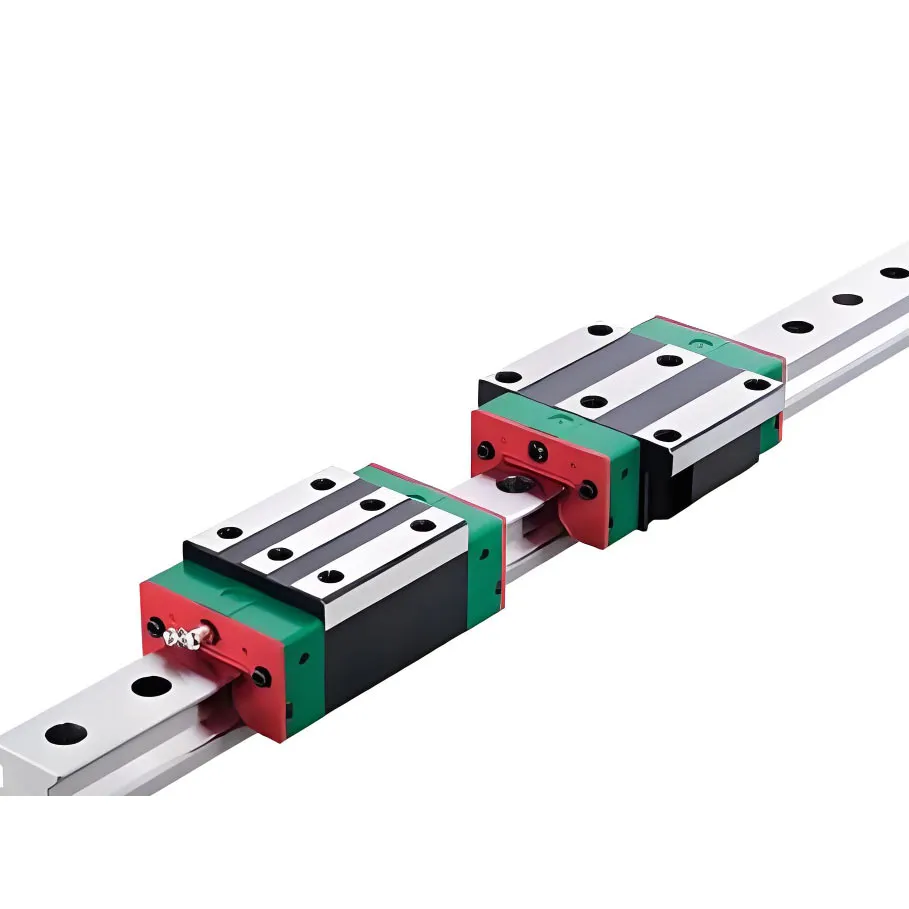
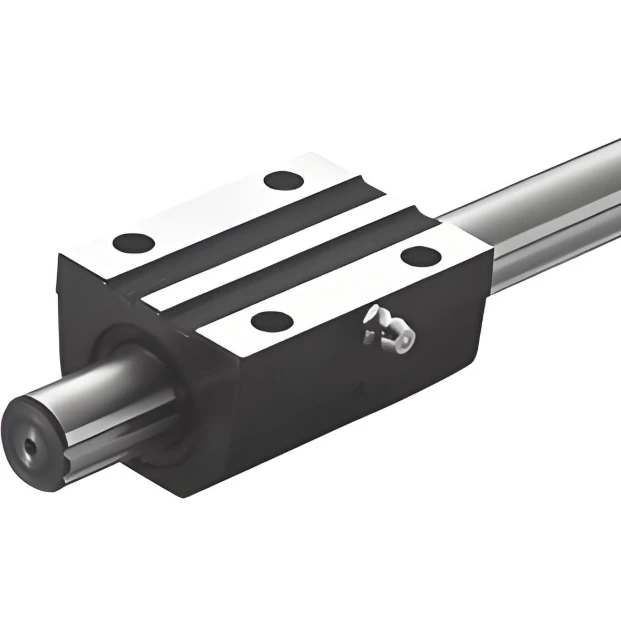
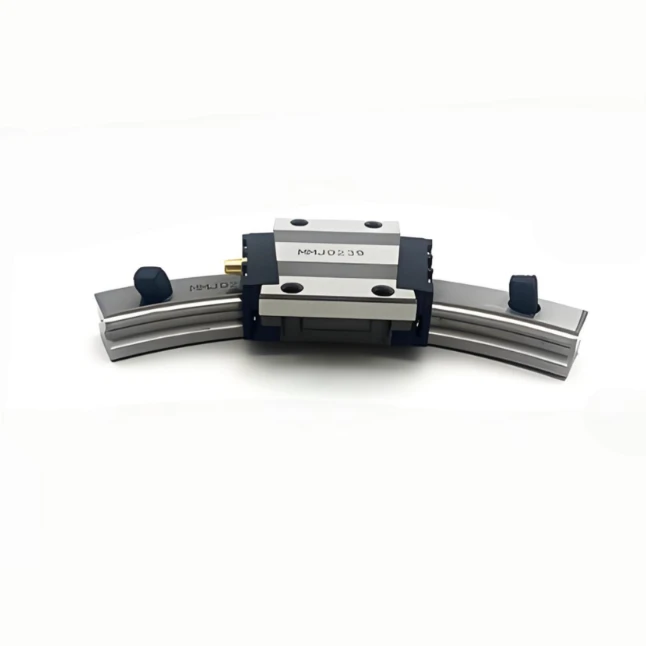
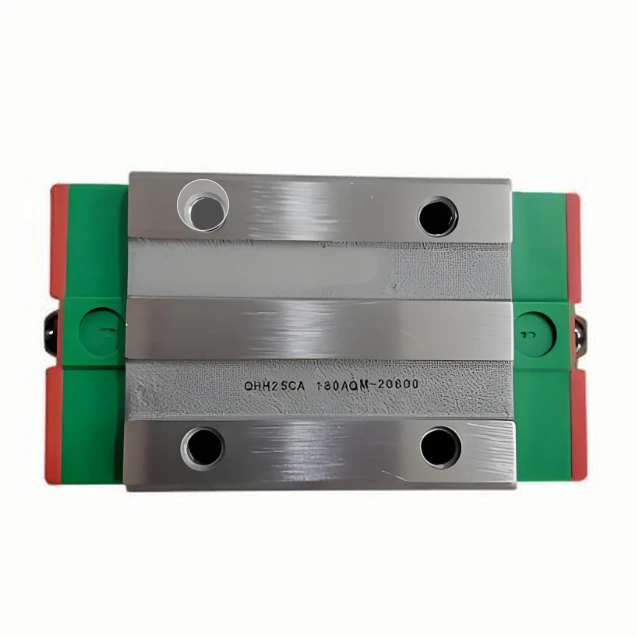
Currently, many local workshops rely on legacy machinery. The introduction of high-performance linear guides is becoming critical as Ugandan enterprises move toward producing higher-quality exports in the agro-processing and textile sectors, demanding tighter tolerances and smoother motion.
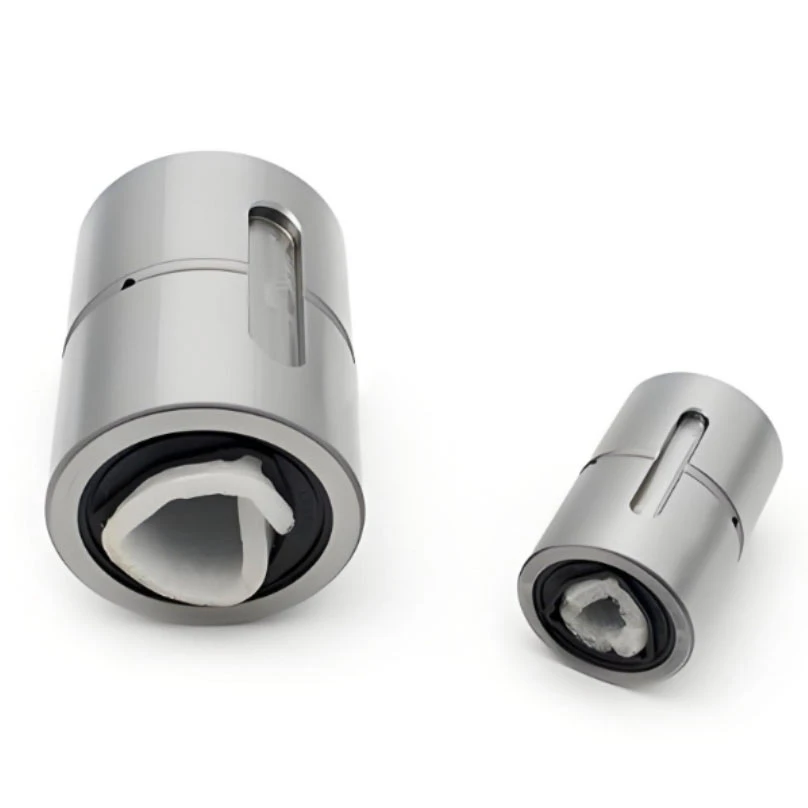
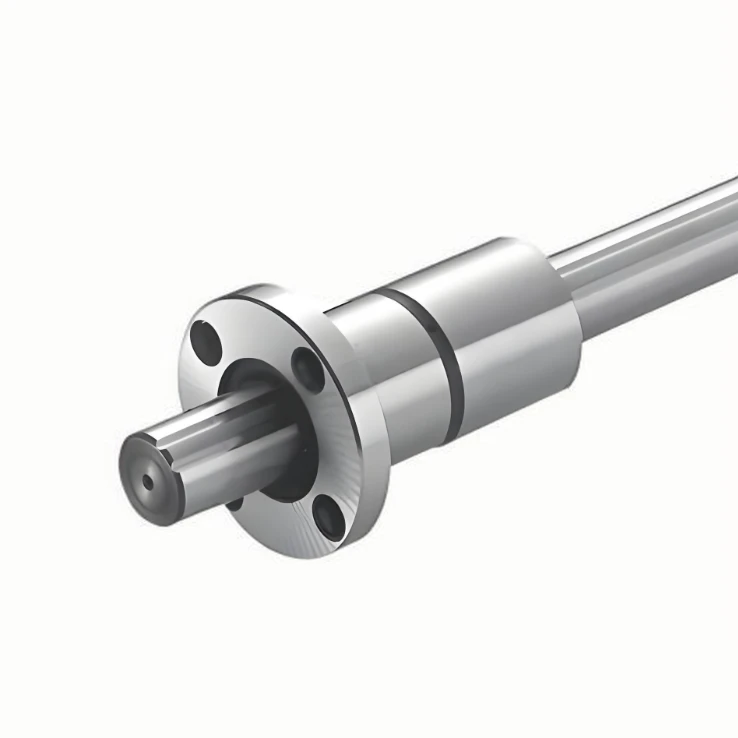
Despite the growth, the market faces challenges regarding the availability of specialized components. The demand for ball splines is rising as local machinery designers seek more flexible and modular transmission solutions to reduce downtime in remote industrial zones.