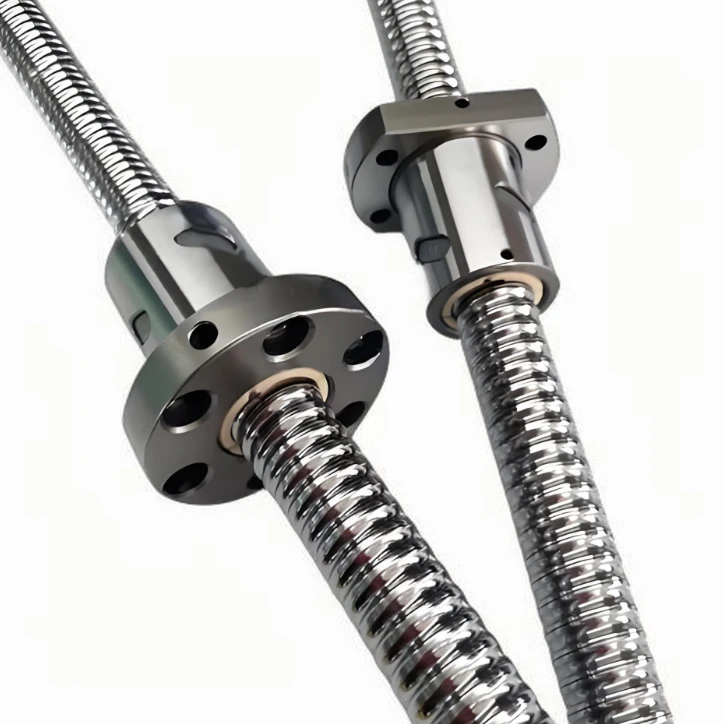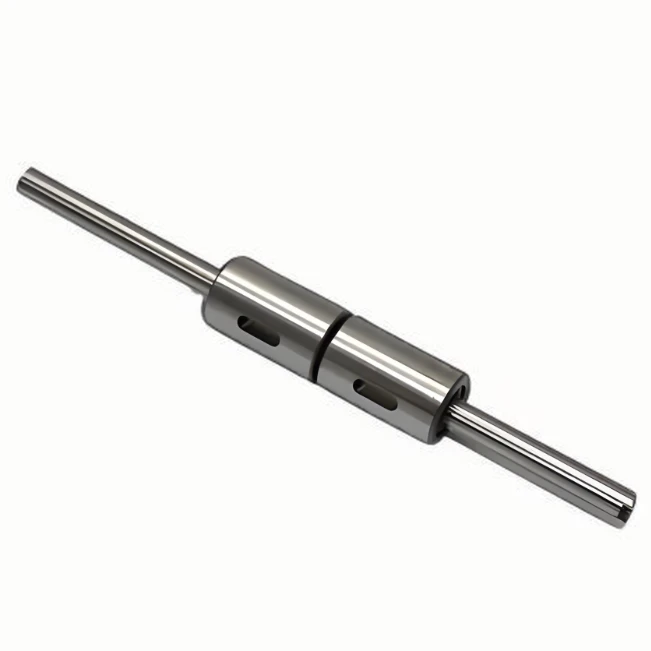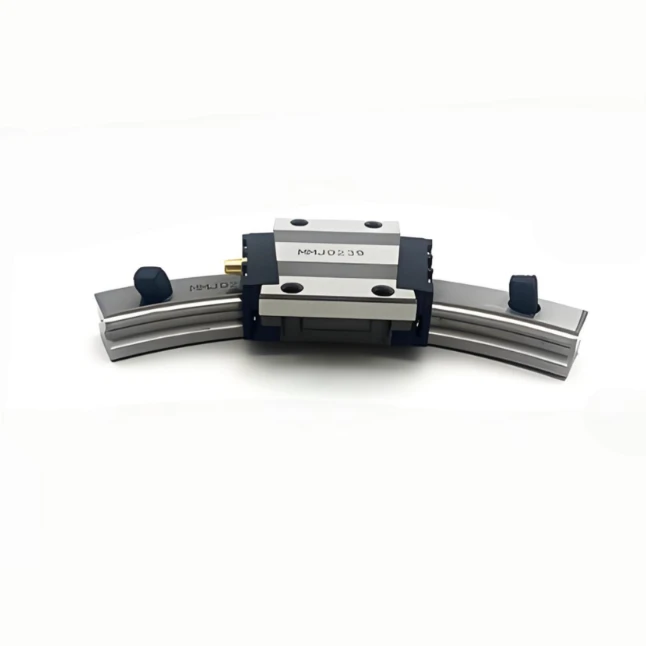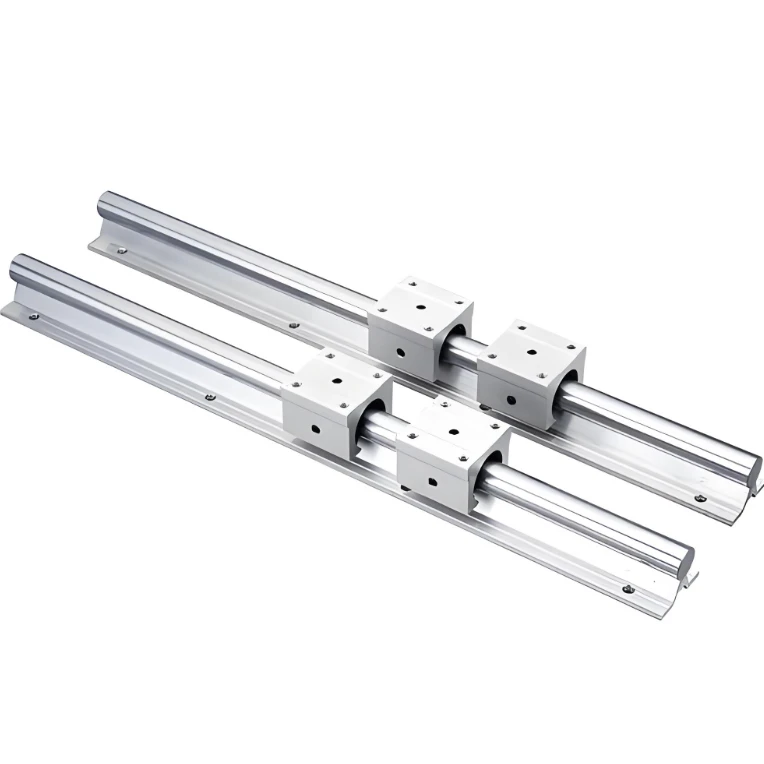
Ethiopia is currently experiencing a rapid transition toward industrialization, particularly within its specialized industrial parks. However, the adoption of linear guides has been hindered by the harsh environmental conditions, where dust and fluctuating humidity in the highlands demand higher sealing standards for motion components.
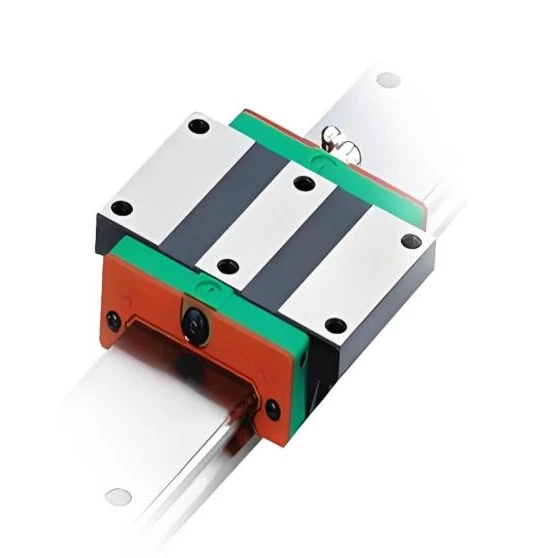
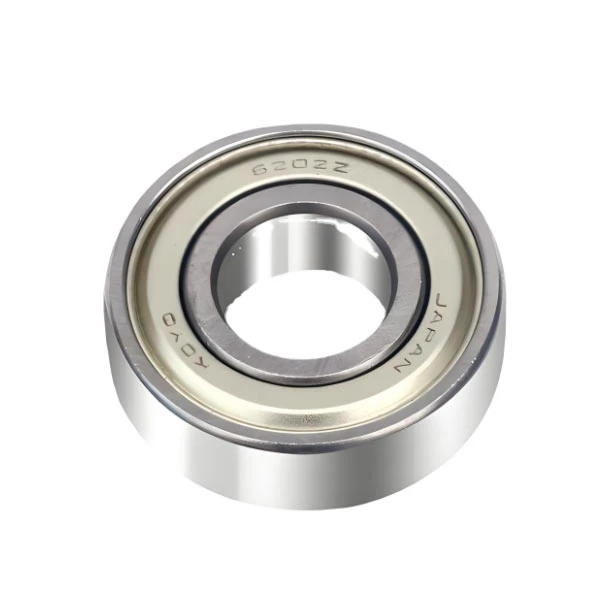
Currently, most Ethiopian factories rely on imported legacy machinery. This creates a critical dependency on the availability of replacement bearings. The lack of localized precision maintenance often leads to premature wear in ball-circulating systems, slowing down production lines in the textile and leather sectors.
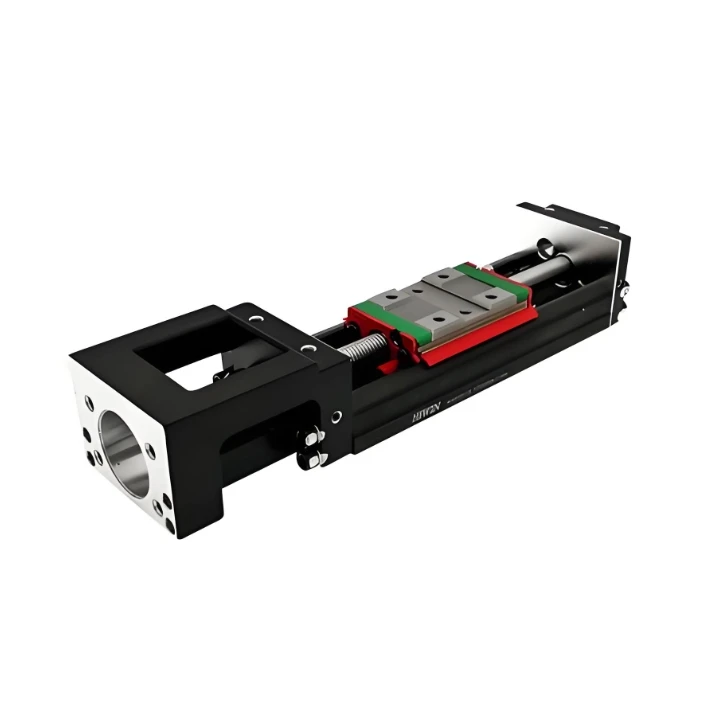
Despite these challenges, there is a growing demand for linear modules as local enterprises shift toward automated packaging and food processing. The market is evolving from simple mechanical sliding to high-precision CNC-driven movements to meet international export quality standards.