The manufacturing landscape in Sri Lanka is currently transitioning from manual labor-intensive processes to automated systems. However, the high humidity and saline air of the coastal regions pose a significant challenge for bearings, leading to accelerated corrosion and premature wear in factory environments.
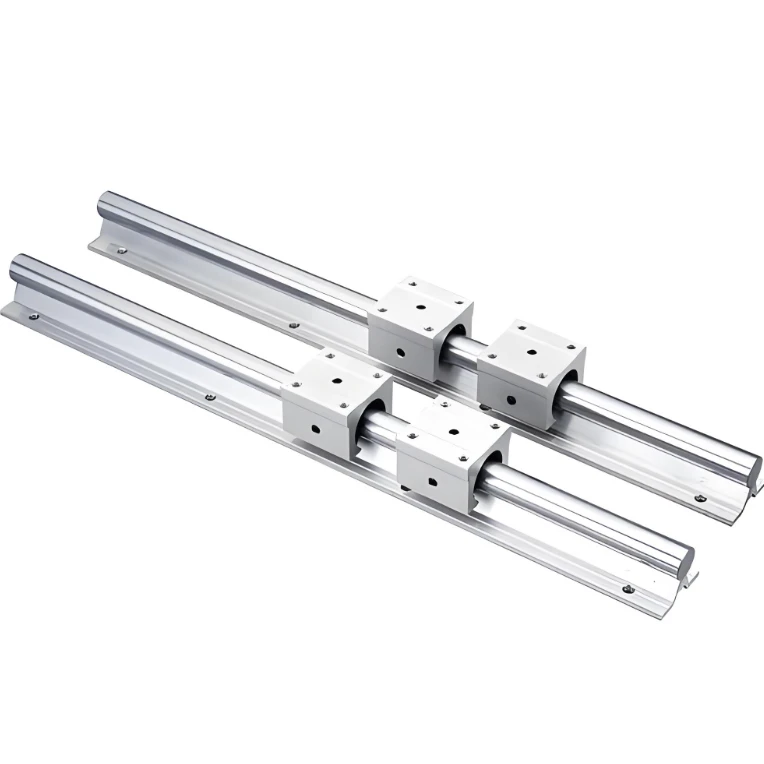
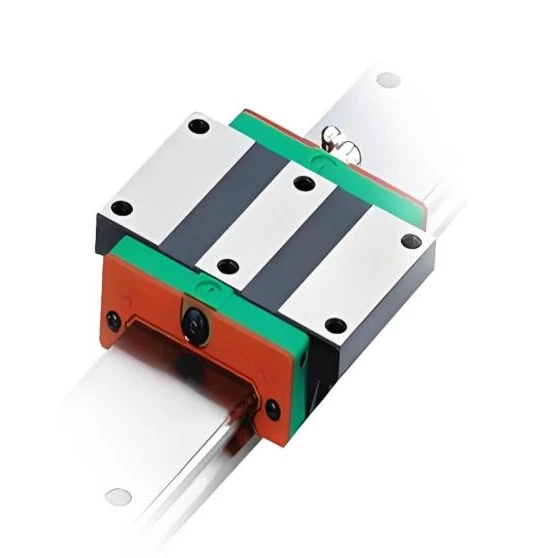
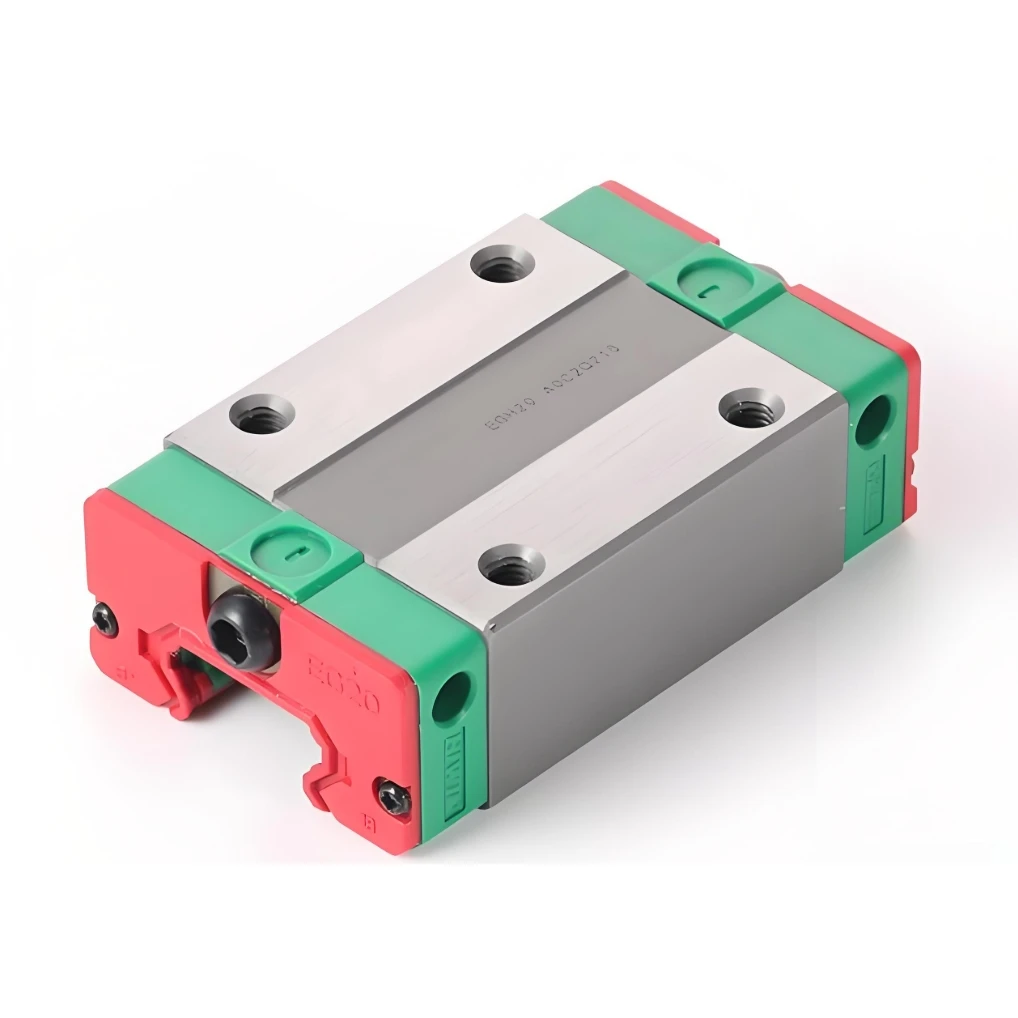
Currently, many local textile and rubber industries rely on legacy machinery. There is a surging demand for high-rigidity linear guides to replace outdated sliding bushings, aiming to reduce friction and energy consumption across the production lines in Colombo and Gampaha.
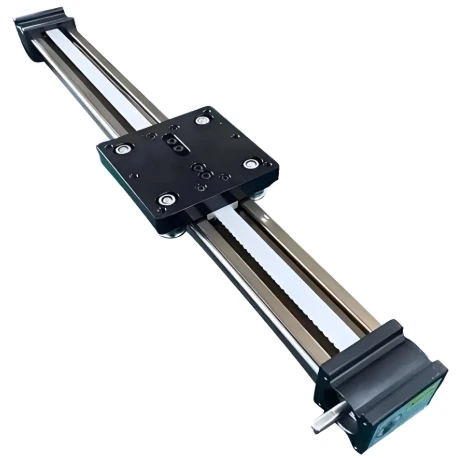
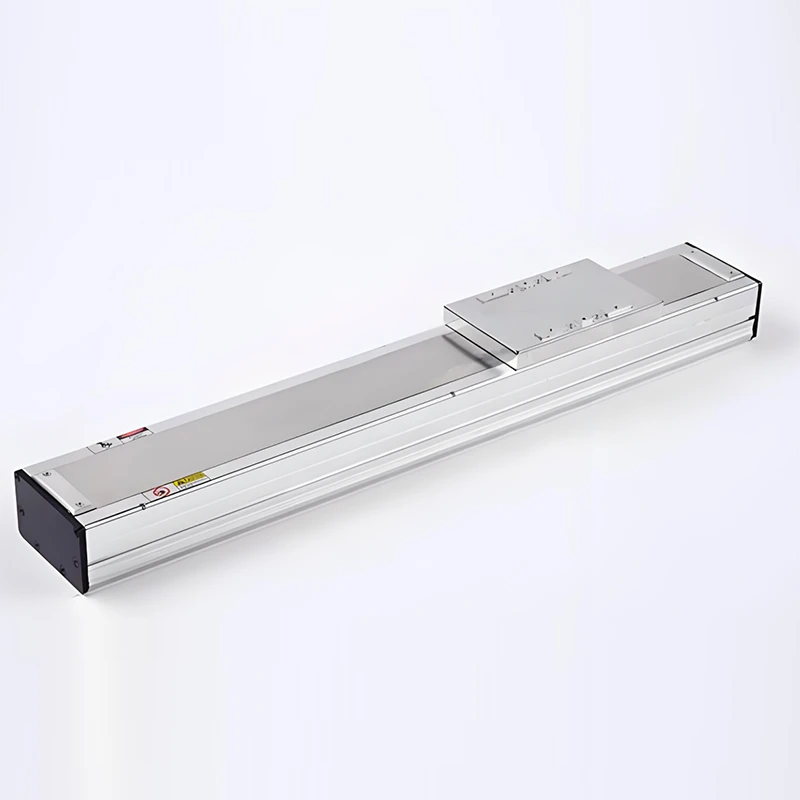
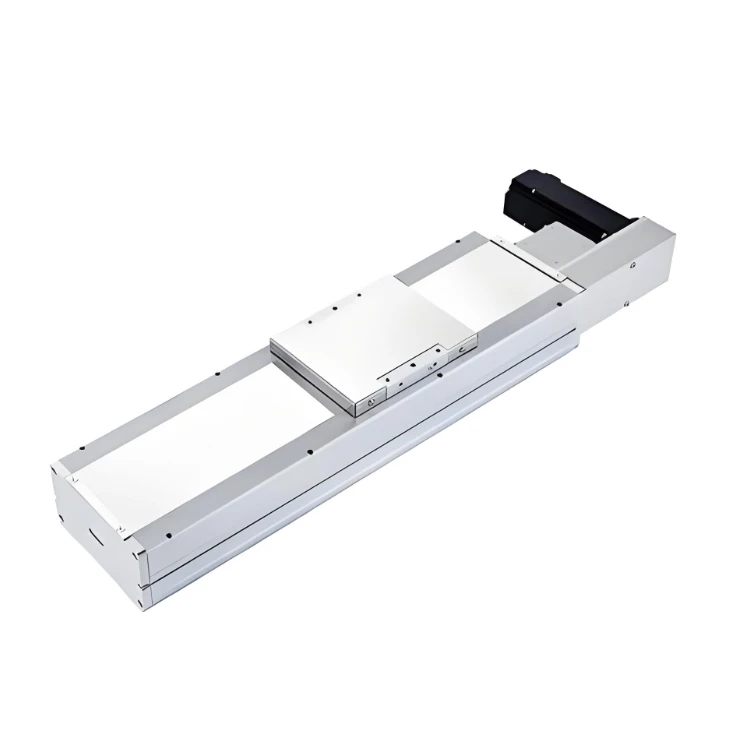
Economic fluctuations have pushed Sri Lankan firms to seek a balance between cost-efficiency and longevity. This has led to an increase in the adoption of modular components like linear modules, which allow for easier maintenance and scalable upgrades without replacing entire machine frames.